
Understanding Evening Pollen Levels During Allergy Season
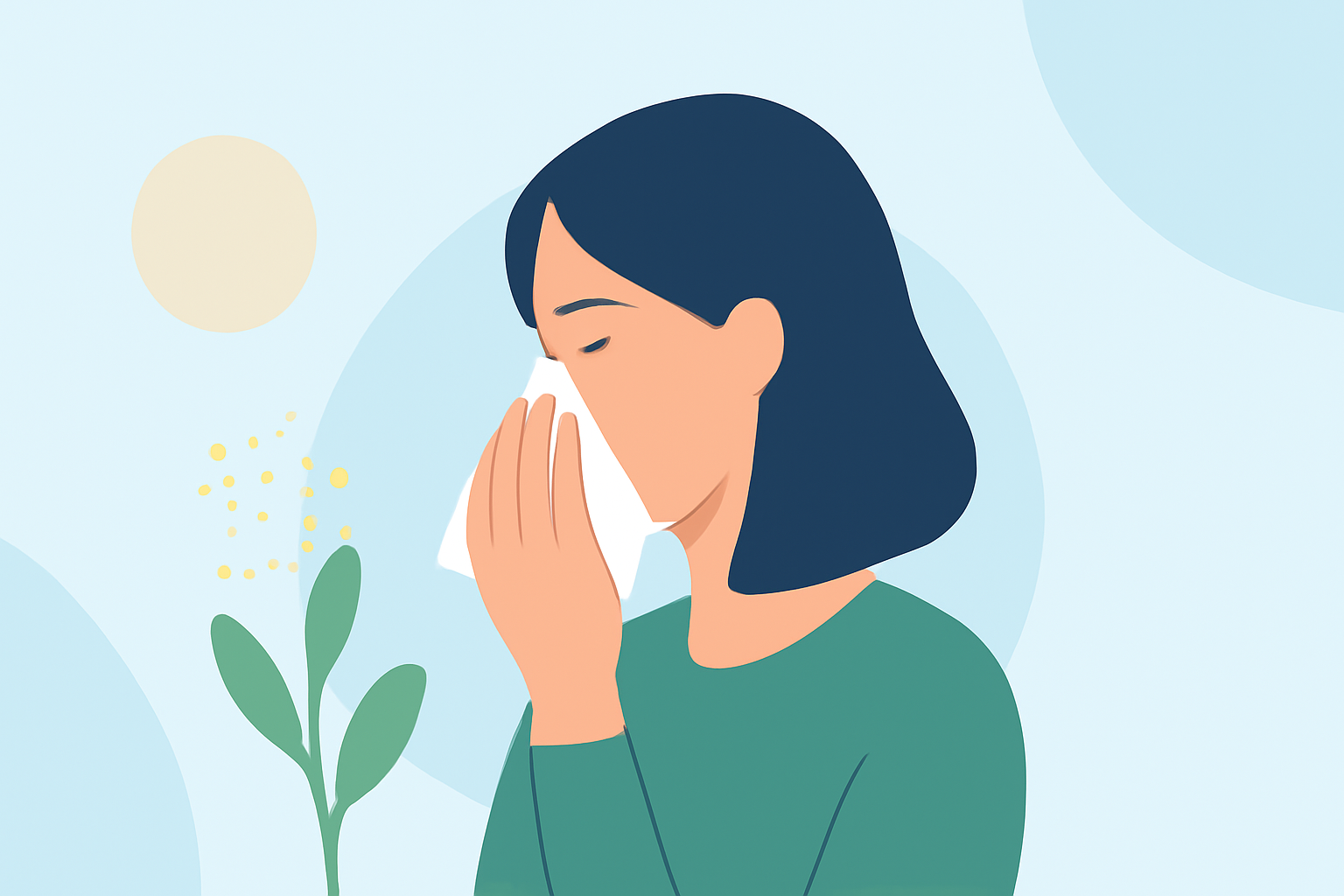
During allergy season, pollen levels fluctuate throughout the day, significantly impacting individuals sensitive to allergens. Understanding these patterns, especially in the evening, can help you plan outdoor activities and manage symptoms effectively.
When Are Pollen Levels Highest?
Pollen counts vary depending on the type of pollen and environmental conditions. Generally, tree pollen peaks in the early morning, between 5 AM and 10 AM, while grass pollen tends to peak in the late morning to early afternoon. Weed pollen, such as ragweed, often peaks in the late morning to early afternoon. However, on warm, dry days, grass pollen can also peak in the afternoon or evening. (whatareallergies.com)
How Do Evening Conditions Affect Pollen Levels?
In the evening, as temperatures cool and humidity rises, pollen grains tend to settle out of the air more readily, leading to lower pollen concentrations. This cooling effect can provide some relief for allergy sufferers. However, on windy days, pollen can remain suspended in the air longer, potentially extending higher pollen levels into the evening. (mypollenpal.com)
How Can Clime Help You Manage Pollen Exposure?
Clime offers real-time pollen forecasts tailored to your location, providing up-to-date information on pollen levels throughout the day. By monitoring these forecasts, you can plan outdoor activities during times when pollen levels are lower, such as late afternoon or early evening, and take necessary precautions during higher pollen periods. This proactive approach can help minimize exposure and manage allergy symptoms more effectively.
Additional Tips for Managing Evening Pollen Exposure:
-
Check Local Pollen Forecasts: Stay informed about daily pollen levels in your area to plan activities accordingly.
-
Limit Outdoor Activities During High Pollen Times: If possible, schedule outdoor activities during times when pollen levels are lower.
-
Keep Windows Closed: To prevent pollen from entering your home, keep windows closed during high pollen periods.
-
Use Air Purifiers: Consider using air purifiers with HEPA filters to reduce indoor pollen levels.
By understanding the daily patterns of pollen release and utilizing tools like Clime for accurate forecasts, you can better manage your exposure and alleviate allergy symptoms during the pollen season.