
Exercising Safely During Heat Waves: Essential Guidelines
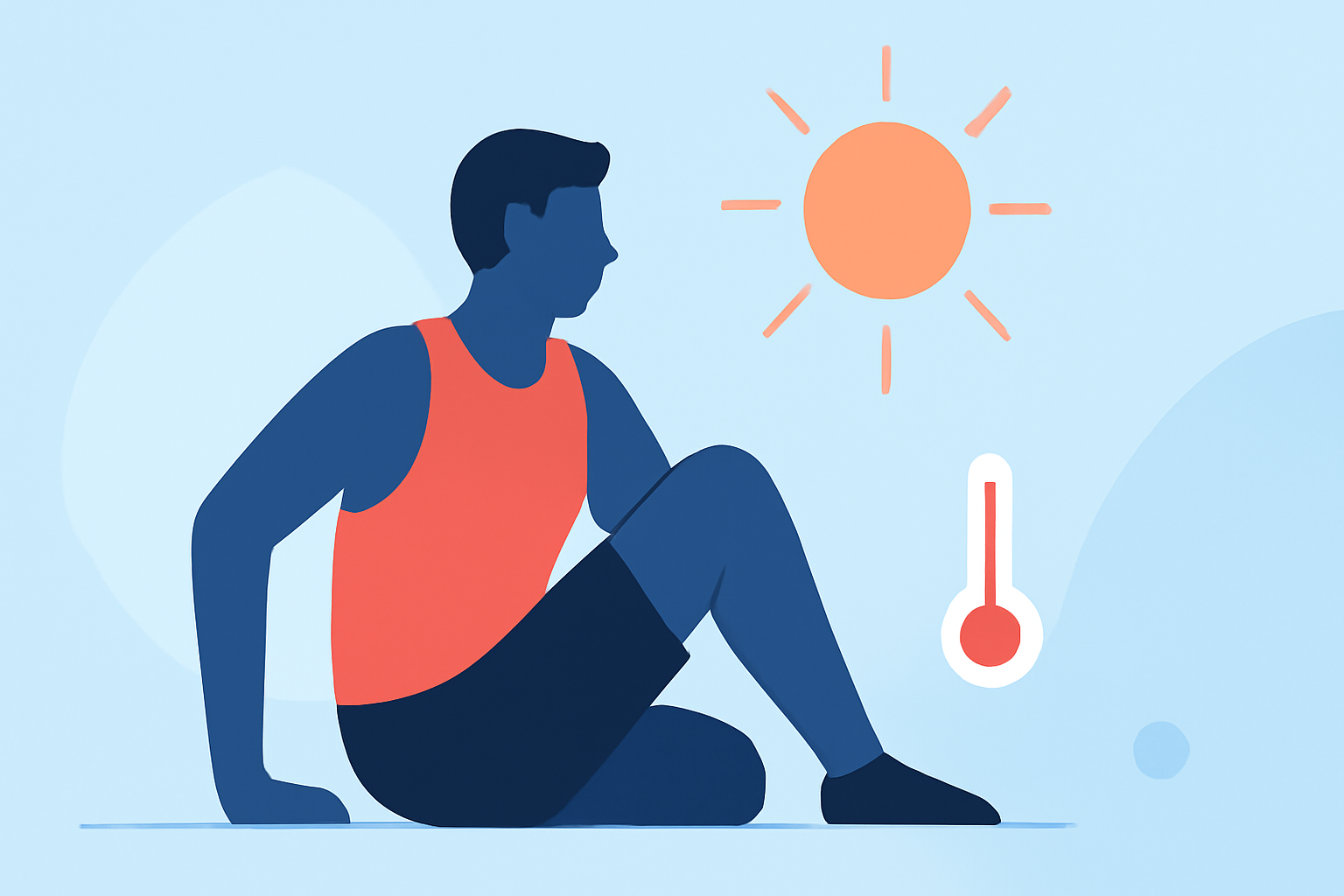
Exercising during heat waves presents unique challenges due to elevated temperatures and compromised air quality. Understanding these factors and adopting appropriate precautions can help maintain your health and performance.
How Does Heat Affect Exercise Performance?
High temperatures increase the body's workload, as it must dissipate excess heat generated during physical activity. This can lead to fatigue and reduced performance. (health.harvard.edu)
What Are the Risks of Exercising in Poor Air Quality?
Air pollution, such as elevated ozone levels, can irritate the respiratory system, leading to coughing, chest tightness, and shortness of breath. Prolonged exposure may also decrease lung function. (epa.gov)
How Can I Safely Exercise During a Heat Wave?
-
Monitor Air Quality: Before exercising, check the Air Quality Index (AQI) for your area. If the AQI is in the "Unhealthy" range (101-150) or higher, consider postponing outdoor activities. (lung.org)
-
Choose Optimal Times: Engage in physical activity during cooler parts of the day, such as early morning or evening, to minimize heat exposure. (health.harvard.edu)
-
Stay Hydrated: Drink water consistently throughout the day, not just during exercise, to prevent dehydration. (health.harvard.edu)
-
Wear Appropriate Clothing: Opt for lightweight, light-colored, and loose-fitting attire to enhance heat dissipation. (health.harvard.edu)
-
Adjust Exercise Intensity: Reduce the intensity and duration of workouts to match the environmental conditions, allowing your body to acclimate safely. (cdc.gov)
What Are the Signs of Heat-Related Illnesses?
Be vigilant for symptoms such as dizziness, nausea, rapid heartbeat, and confusion. If these occur, stop exercising immediately, move to a cooler environment, and seek medical attention if necessary. (cdc.gov)
How Can I Protect My Indoor Air Quality During Heat Waves?
-
Use Air Conditioning Wisely: Ensure your air conditioning system is well-maintained to effectively cool indoor spaces. (epa.gov)
-
Enhance Ventilation: Use fans to circulate air, but avoid using them when indoor temperatures are in the mid-90s or higher, as they may not prevent heat-related illnesses. (epa.gov)
-
Implement Shading Strategies: Cover windows that receive direct sunlight to reduce indoor temperatures. (epa.gov)
By understanding the interplay between heat, air quality, and exercise, and by implementing these strategies, you can maintain an active lifestyle while safeguarding your health during heat waves.
Highlights:
- 6 tips for staying safe while exercising or playing in extreme heat | PBS News, Published on Monday, July 08
- How to Exercise Safely During a Heat Wave | WIRED, Published on Friday, June 21
- Hot temperatures make exercising outdoors a risk | UCLA Health, Published on Wednesday, September 08