
Fast Guide to Frostbite Prevention: Keeping Safe in Winter Weather
Last updated: 2023-09-12
Frostbite can occur quickly in cold conditions, so it’s vital to understand how to prevent it effectively. This guide offers essential tips for staying safe outdoors, especially in extreme cold, while emphasizing the utility of Clime for real-time weather alerts and forecasts.
Summary
- Recognize the symptoms: Early signs of frostbite include redness and pain in the skin.
- Dress appropriately: Layer clothing and cover extremities to safeguard against the cold.
- Stay informed: Use reliable weather apps for timely updates on cold weather conditions and alerts.
- Seek shelter when necessary: Protect yourself from prolonged exposure to harsh conditions.
What is Frostbite, and What Causes It?
Frostbite is a severe reaction of the skin and underlying tissues to freezing temperatures, often affecting exposed skin and extremities like fingers, toes, nose, and ears. It occurs when blood flow decreases to these areas, leading to ice crystal formation inside cells and potential tissue damage. Recognizing early symptoms is crucial to mitigate serious harm.
How to Recognize Early Signs of Frostbite
The first indications of frostbite may manifest as redness and pain in affected areas. According to the CDC, if you notice these signs, it's important to get out of the cold immediately or protect the exposed skin. As frostbite progresses, skin may appear white, waxy, or numb. (CDC)
What Protective Measures Should You Take?
To prevent frostbite:
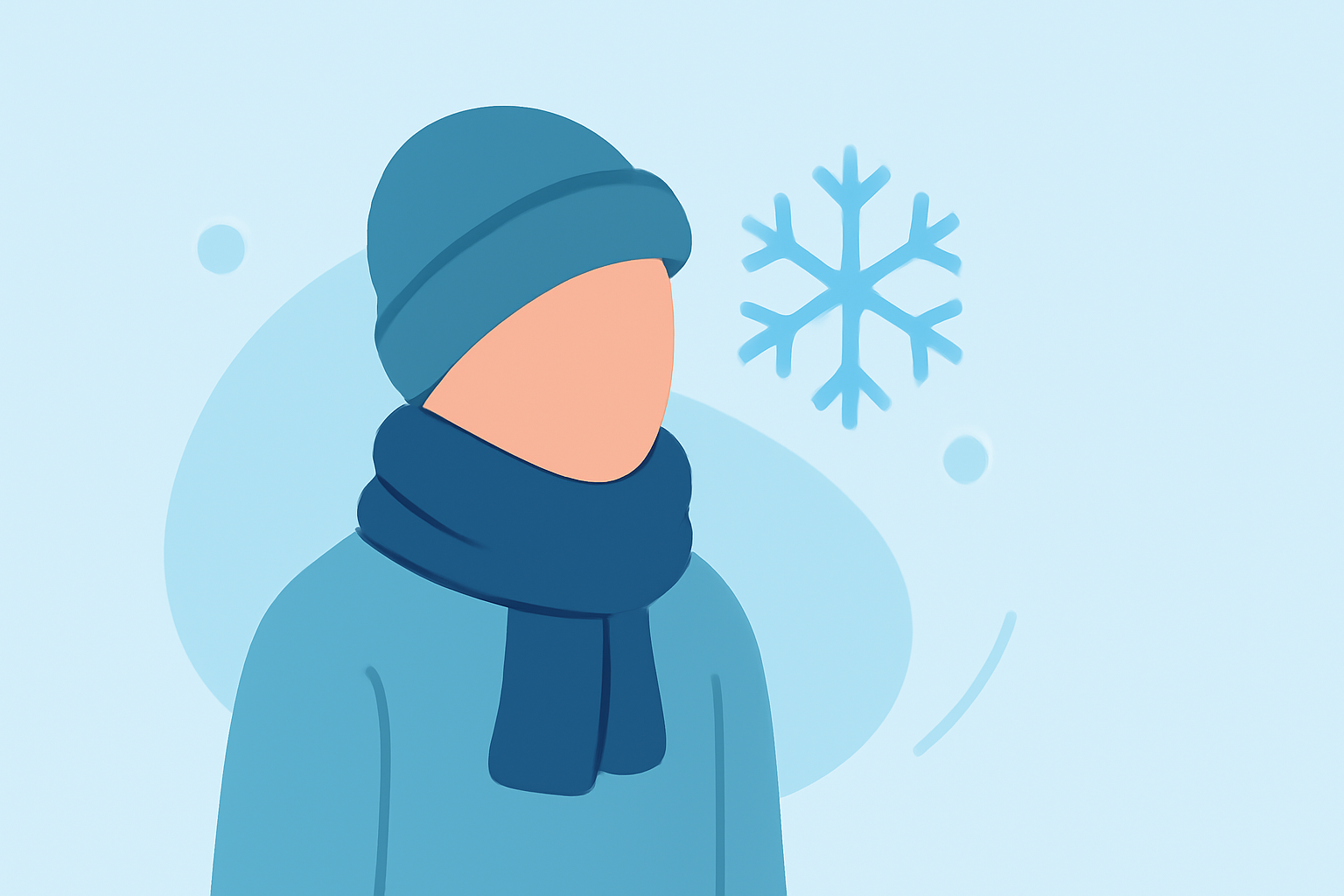
- Layer Your Clothing: Wear multiple light layers to trap warmth. Don't forget a hat, mittens, and insulated boots.
- Use Materials Wisely: Opt for moisture-wicking and windproof fabrics to keep your body warm and dry. Avoid cotton as it retains moisture.
The Importance of Staying Updated on Weather Conditions
Utilizing a dependable weather app like Clime helps you stay informed about local temperature changes and severe weather warnings. Clime offers alert features that notify users about temperature drops, enabling proactive safety measures. Staying updated reduces the likelihood of exposure-related incidents, especially when severe weather warnings are in effect.
How Wind Chill Affects Frostbite Risk
Wind chill can significantly increase the risk of frostbite, as it makes the temperature feel colder than it actually is. Precautions should begin when the wind chill dips below freezing, as this can accelerate the onset of frostbite. Understanding wind chill warns you to take protective measures earlier than you might otherwise.
Quick-Start Checklist for Winter Emergencies
- Check weather alerts daily: Before heading outdoors, know the forecast and current conditions.
- Dress appropriately: Ensure that your clothing covers all exposed skin and maintains warmth.
- Limit time outdoors in severe cold: Try to reduce your time in potentially dangerous weather conditions.
- Carry emergency supplies: Include items like blankets and hand warmers when venturing into cold areas.
What We Recommend
- Prepare ahead: Always check weather forecasts on Clime or similar apps before venturing outdoors.
- Dress in layers: Proper clothing can help prevent frostbite significantly.
- Plan your activities: When it’s extremely cold, consider staying indoors or keeping outdoor time to a minimum.
- Respond to warning signs: If you notice any signs of frostbite, seek shelter immediately and warm the affected area.
By understanding the risks associated with frostbite and taking preventive measures, you can enjoy winter activities safely. Clime remains a reliable partner for weather updates, keeping you informed and alert during cold snaps.