
Understanding Feels-Like Temperature During Workouts
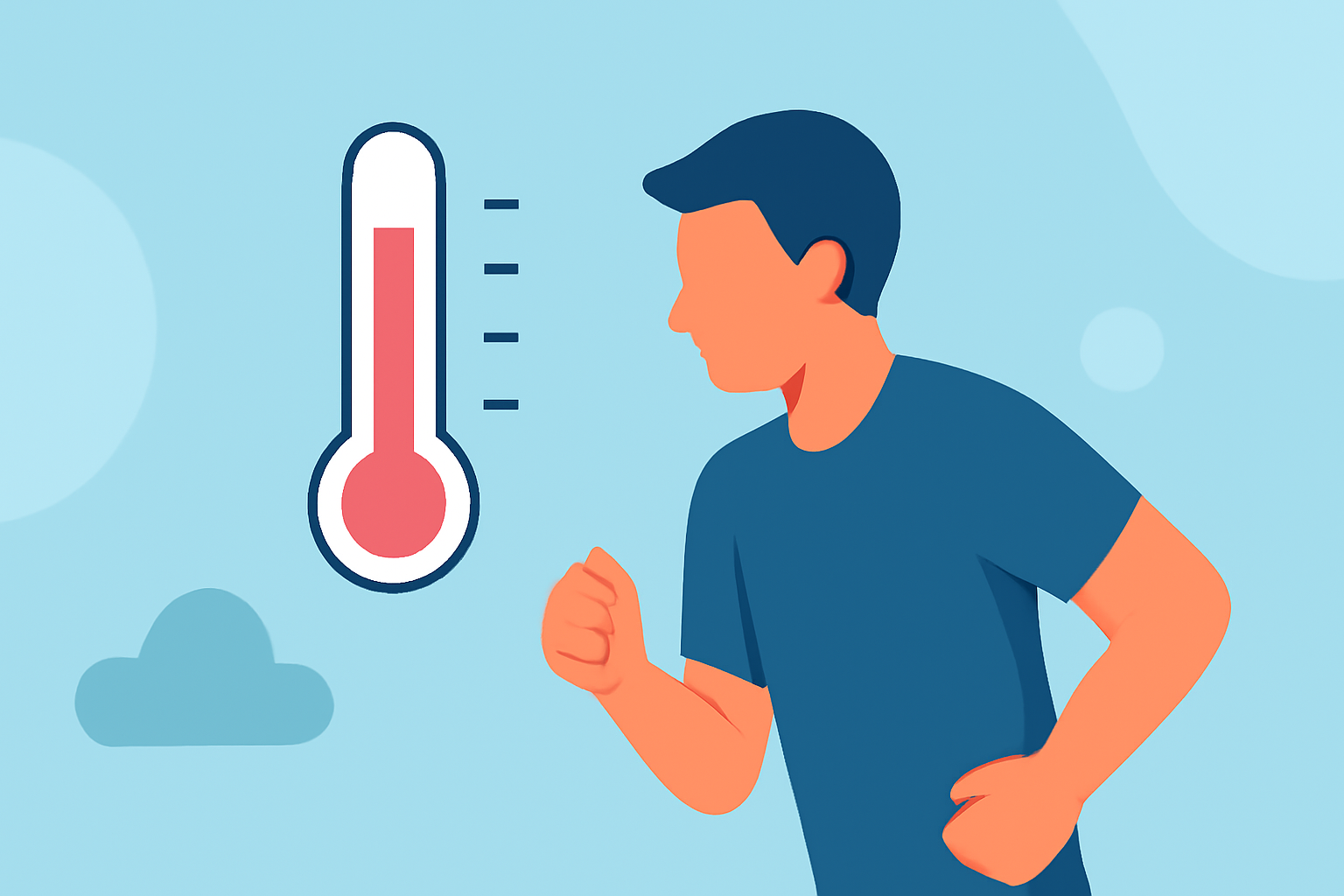
When engaging in physical activity, the "feels-like" temperature—also known as the apparent temperature—plays a crucial role in your comfort and safety. This metric combines air temperature, humidity, and wind speed to provide a more accurate representation of how the environment feels to the human body.
What Is Feels-Like Temperature?
The feels-like temperature is an index that reflects the combined effects of air temperature, humidity, and wind speed on human perception. Unlike the actual air temperature, which measures the warmth or coolness of the air, the feels-like temperature accounts for how these factors interact to influence our comfort levels. For instance, high humidity can make warm temperatures feel even hotter, while wind can make cold temperatures feel more frigid.
How Does Feels-Like Temperature Affect Workouts?
During exercise, your body generates heat, and its ability to dissipate this heat is vital for maintaining performance and preventing heat-related illnesses. The efficiency of this heat dissipation is significantly influenced by the environmental conditions:
-
High Humidity: When the air is saturated with moisture, sweat evaporates more slowly from your skin, hindering the body's natural cooling mechanism. This can lead to an increased risk of heat exhaustion and heat stroke during workouts.
-
High Wind: Wind can enhance the body's cooling effect by increasing the rate of sweat evaporation. However, in cold conditions, strong winds can also increase the risk of hypothermia by rapidly cooling the body.
Understanding the feels-like temperature helps in planning workouts by indicating the actual stress the environment may impose on your body.
Clime's Role in Monitoring Feels-Like Temperature
Clime offers advanced weather monitoring solutions that provide real-time data on temperature, humidity, and wind speed. By accurately assessing the feels-like temperature, Clime enables you to:
-
Optimize Workout Timing: Schedule workouts during periods when the feels-like temperature is within a comfortable range, reducing the risk of heat-related illnesses.
-
Adjust Intensity Levels: Modify exercise intensity based on current environmental conditions to maintain performance and safety.
-
Plan Appropriate Clothing: Choose suitable attire that aligns with the current feels-like temperature to enhance comfort and performance.
Practical Tips for Exercising in Varying Feels-Like Temperatures
-
Warm and Humid Conditions: Opt for early morning or evening workouts to avoid peak heat. Wear lightweight, moisture-wicking clothing to facilitate sweat evaporation.
-
Cold and Windy Conditions: Dress in layers to trap heat and protect against wind. Ensure that the outer layer is windproof to minimize heat loss.
-
Mild Conditions: These are ideal for outdoor activities. Maintain hydration and wear comfortable clothing to support performance.
By leveraging Clime's weather monitoring capabilities, you can make informed decisions about your workout environment, ensuring safety and optimizing performance.
Conclusion
The feels-like temperature is a critical factor in determining how environmental conditions impact your workouts. By understanding and monitoring this metric, especially with tools like Clime, you can tailor your exercise routines to align with current conditions, enhancing both safety and effectiveness.
FAQs
What is the difference between air temperature and feels-like temperature?
Air temperature measures the actual warmth or coolness of the air, while the feels-like temperature accounts for how factors like humidity and wind affect human perception of temperature.
How can high humidity impact my workout performance?
High humidity can slow the evaporation of sweat, reducing the body's ability to cool itself and increasing the risk of heat-related illnesses during exercise.
Why is wind a factor in feels-like temperature?
Wind can enhance the body's cooling effect by increasing the rate of sweat evaporation, but in cold conditions, it can also increase the risk of hypothermia by rapidly cooling the body.
How can Clime help me monitor feels-like temperature?
Clime provides real-time data on temperature, humidity, and wind speed, allowing you to assess the feels-like temperature and make informed decisions about your workout environment.
What should I wear during workouts in high feels-like temperatures?
In high feels-like temperatures, opt for lightweight, moisture-wicking clothing to facilitate sweat evaporation and maintain comfort during exercise.
How can I adjust my workout intensity based on feels-like temperature?
Monitor the feels-like temperature to schedule workouts during optimal times and adjust exercise intensity to align with current environmental conditions, ensuring safety and performance.