
Understanding the Feels-Like Temperature During Pollen Season
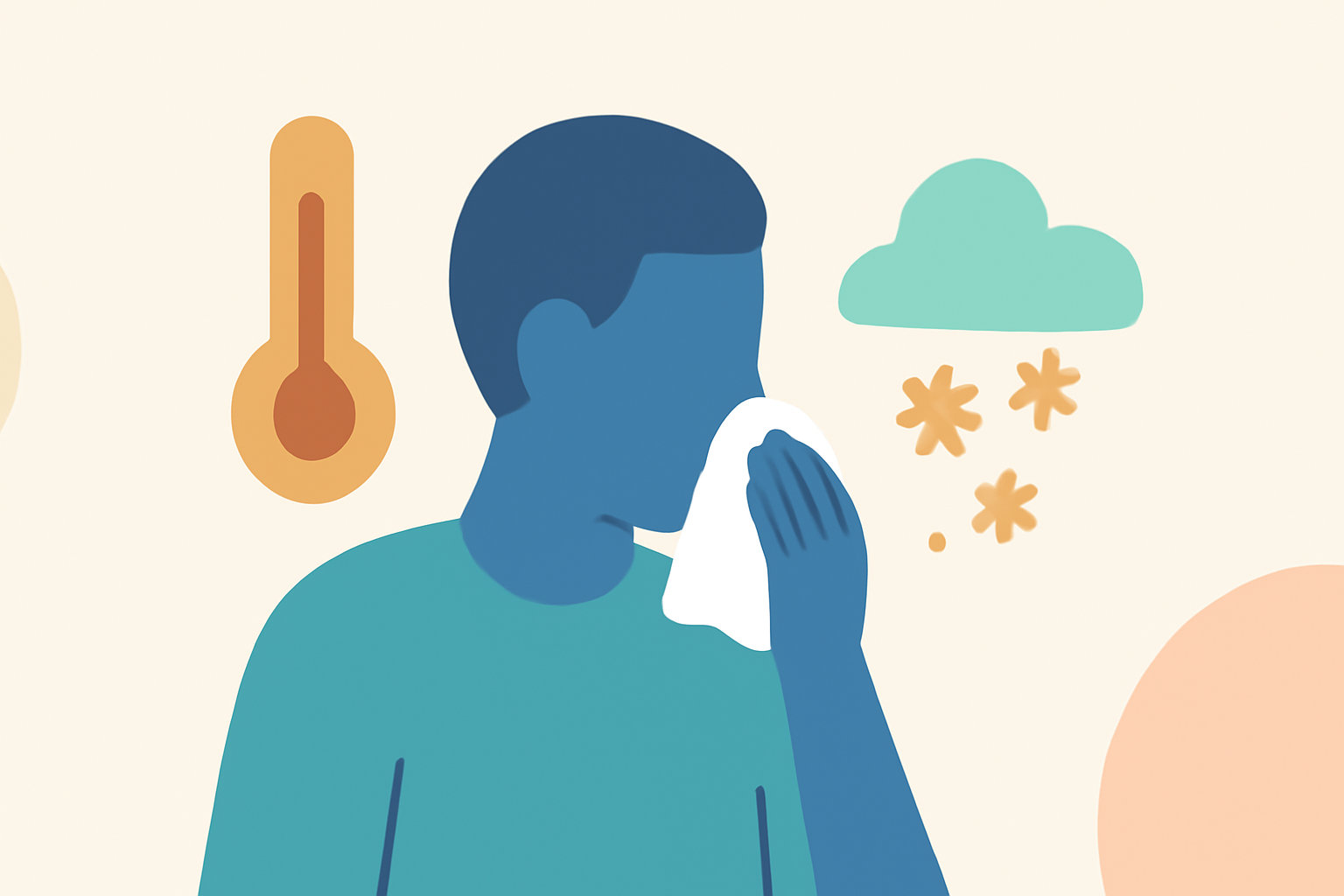
During pollen season, many individuals notice a change in the "feels-like" temperature, which combines actual temperature with factors like humidity and wind to represent how the temperature feels to the human body. This perception can be influenced by various environmental factors, including pollen levels.
How Does Pollen Season Affect Feels-Like Temperature?
Pollen itself doesn't directly alter the air temperature. However, the presence of pollen can influence how we perceive temperature through several mechanisms:
-
Humidity Levels: High pollen counts often coincide with increased humidity, which can make the air feel warmer than it actually is.
-
Air Quality: Elevated pollen levels can degrade air quality, leading to discomfort and a heightened perception of heat.
-
Allergic Reactions: Symptoms like nasal congestion can affect breathing, making it feel more difficult to cool down, thus altering the perception of temperature.
How Does Climate Change Impact Pollen Seasons?
Climate change has been linked to longer and more intense pollen seasons. Warmer temperatures can lead to earlier starts and longer durations of pollen release, which may exacerbate the discomfort associated with high pollen counts. A study published in the International Journal of Biometeorology found that higher temperatures are correlated with earlier and longer pollen seasons, as well as increased airborne pollen concentrations. (pubmed.ncbi.nlm.nih.gov)
How Can Clime Help You Stay Informed?
Clime offers real-time pollen forecasts, providing up-to-date information on pollen levels in your area. By integrating this data with detailed weather forecasts, Clime helps you understand how pollen may be affecting your comfort and health. This comprehensive approach allows you to plan your activities accordingly, ensuring you stay informed and prepared during pollen season.
Conclusion
While pollen doesn't directly change the air temperature, it can significantly influence how we perceive it. Understanding this relationship is crucial for managing comfort and health during pollen season. With Clime's detailed pollen forecasts and weather insights, you can stay ahead of pollen-related discomfort and make informed decisions to protect your well-being.