
Filming Outdoors During Winter Storms: Essential Considerations
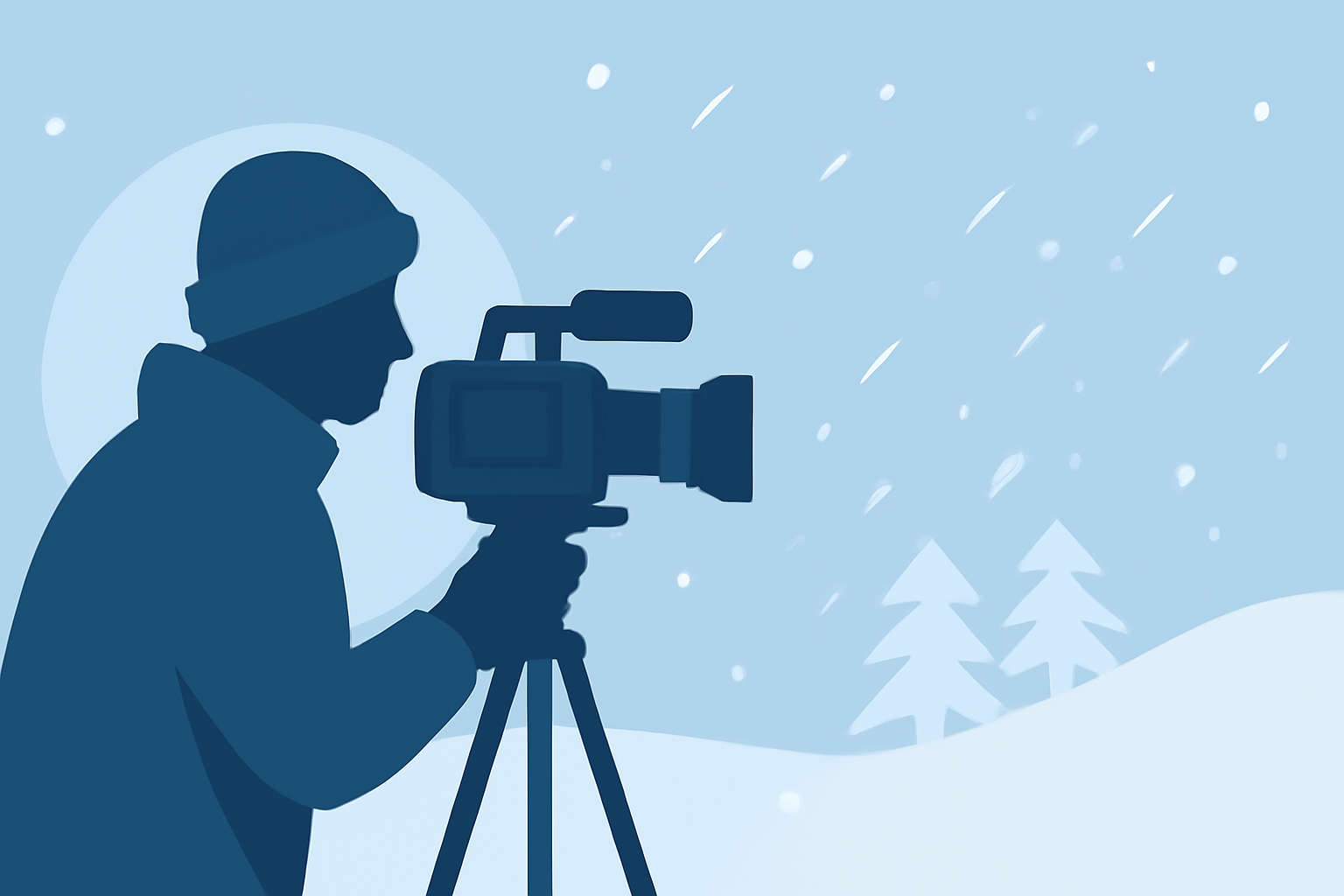
Filming outdoors during winter storms presents unique challenges that require meticulous planning and adaptability. Understanding the specific weather conditions and implementing effective strategies can ensure a successful production while maintaining safety and equipment integrity.
What Are Winter Storms and Blizzards?
Winter storms are severe weather events characterized by heavy snow, sleet, or freezing rain, often accompanied by strong winds and sub-freezing temperatures. A blizzard is a particularly intense type of winter storm, defined by sustained winds or frequent gusts of 35 mph or greater, considerable falling and/or blowing snow reducing visibility to less than ¼ mile, and these conditions lasting for at least three hours. (weather.gov)
How Do Winter Storms Affect Outdoor Filming?
Winter storms can significantly impact outdoor filming by introducing hazards such as:
-
Reduced Visibility: Heavy snowfall and blowing snow can obscure vision, making it difficult to capture clear footage.
-
Equipment Malfunctions: Cold temperatures can cause batteries to drain rapidly and electronic components to freeze, leading to operational issues.
-
Safety Risks: Slippery surfaces increase the risk of slips and falls, while strong winds can pose dangers to crew members and equipment.
How Can Filmmakers Prepare for Winter Storms?
Effective preparation is crucial for mitigating the challenges posed by winter storms:
-
Monitor Weather Forecasts: Regularly check weather updates to anticipate storm developments and adjust schedules accordingly.
-
Equip Properly: Use weather-resistant gear and ensure all equipment is rated for cold conditions.
-
Plan for Contingencies: Develop backup plans for indoor shooting or rescheduling to accommodate severe weather.
What Are the Risks of Filming in Cold Environments?
Filming in cold environments introduces several risks:
-
Hypothermia and Frostbite: Extended exposure to cold can lead to serious health issues for crew members.
-
Equipment Damage: Cold temperatures can cause electronic components to malfunction or freeze.
-
Increased Fatigue: Working in cold conditions can lead to quicker exhaustion, affecting performance and safety.
How Can Filmmakers Mitigate Cold Weather Risks?
To mitigate cold weather risks:
-
Layer Clothing: Wear multiple layers to adjust to changing temperatures and maintain warmth.
-
Use Hand Warmers: Keep hand warmers available to maintain dexterity and comfort.
-
Protect Batteries: Store batteries in insulated bags or close to the body to prevent rapid drainage.
What Are the Benefits of Using LED Walls for Winter Filming?
LED walls offer a controlled environment for filming winter scenes without exposure to harsh weather:
-
Consistent Lighting: Maintain uniform lighting conditions regardless of external weather.
-
Safety: Eliminate risks associated with cold temperatures and slippery conditions.
-
Flexibility: Easily adjust backgrounds and settings to suit the production's needs.
How Does Clime Support Outdoor Filming During Winter Storms?
Clime provides comprehensive weather monitoring solutions tailored for outdoor film productions:
-
Real-Time Weather Data: Access up-to-date information on temperature, wind speed, and precipitation to make informed decisions.
-
Advanced Forecasting: Utilize predictive models to anticipate weather changes and plan accordingly.
-
Safety Alerts: Receive timely notifications about severe weather conditions to ensure crew safety.
By leveraging Clime's services, filmmakers can effectively navigate the challenges of winter storms, ensuring a safer and more efficient production process.
Highlights:
- Winter Storms and Blizzards
- Winter Storms | Center for Science Education
- MRCC - Winter Storms