
An Introduction to Fishing During Severe Weather: Understanding the Impact of Weather Conditions
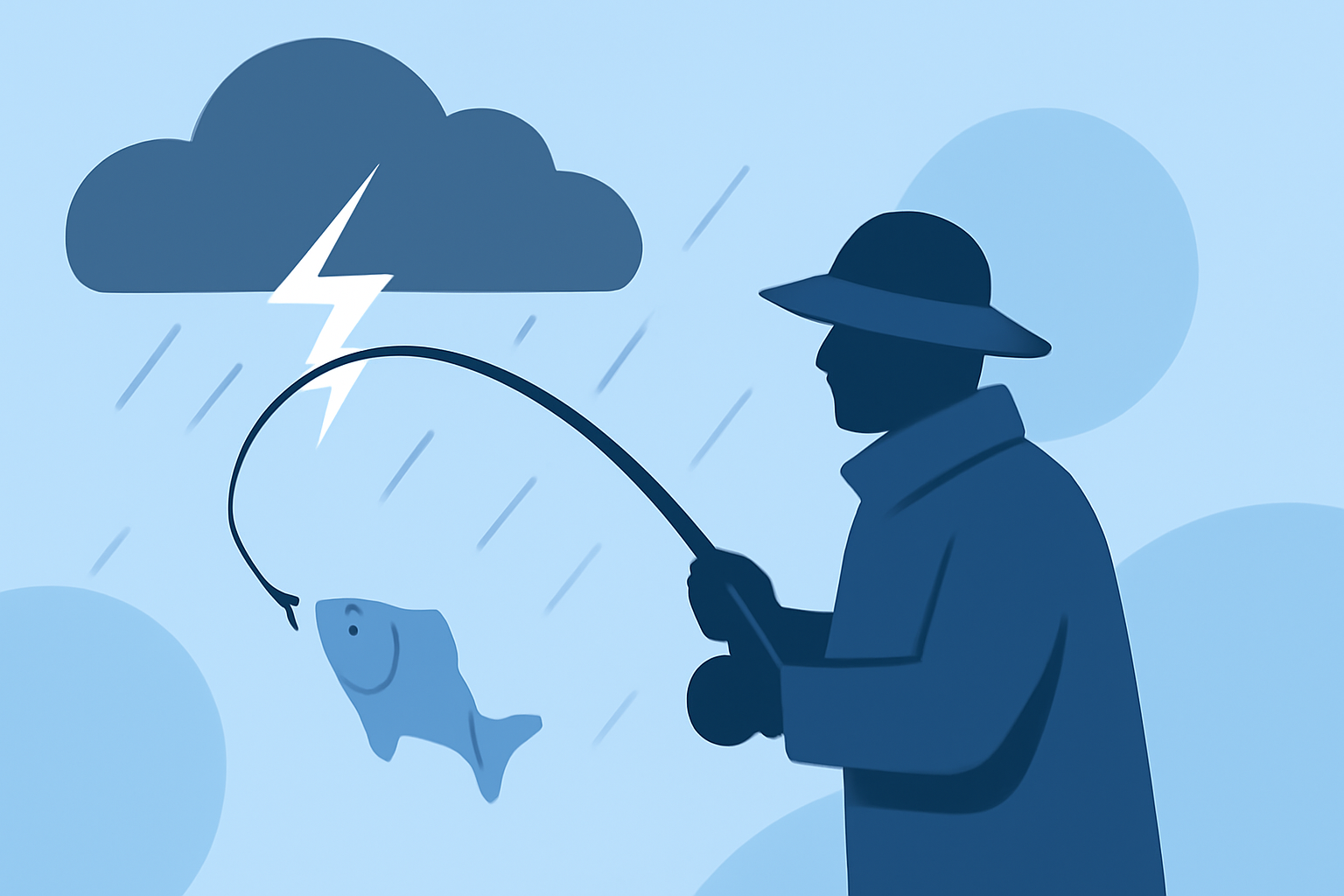
Fishing is a dynamic activity influenced by various weather conditions. Understanding how severe weather impacts fish behavior and how to adjust your fishing strategies accordingly can enhance your angling success. This guide provides insights into the effects of severe weather on fishing and offers practical tips for anglers.
How Does Severe Weather Affect Fish Behavior?
Fish are highly sensitive to changes in their environment, and severe weather can significantly alter their behavior:
-
Cold Fronts: When a cold front passes, it brings a sharp drop in temperature, rising barometric pressure, and often clear skies. These conditions can cause fish to become less active and move to deeper, more stable waters. (hookedfisherman.com)
-
Warm Fronts: A warm front introduces warmer temperatures, falling barometric pressure, and overcast skies. These conditions typically make fish more active and willing to feed, as the environment becomes more favorable. (hookedfisherman.com)
-
Rain: Light rain can be beneficial for fishing, as it reduces surface glare, masks angler movements, and oxygenates the water. However, heavy rain can lead to murky waters and increased currents, which may make fishing more challenging. (fishsurfing.com)
-
Storms: Before a storm, fish may feed aggressively due to falling barometric pressure. However, during and after a storm, fishing can be dangerous and less productive due to rapid changes in weather and water conditions. (enviroliteracy.org)
How Can Anglers Adapt to Severe Weather Conditions?
Adapting to severe weather involves understanding its effects and modifying your fishing approach:
-
Cold Fronts: Fish often retreat to deeper waters during cold fronts. Anglers should adjust by fishing deeper and using slower presentations to entice less active fish. (hookedfisherman.com)
-
Warm Fronts: With increased fish activity, anglers can use faster presentations and target shallower areas where fish are more likely to feed. (hookedfisherman.com)
-
Rain: After light rain, fish may be more active near the surface. In heavy rain, focus on areas with reduced visibility, such as deeper waters or structures that provide cover. (fishsurfing.com)
-
Storms: Avoid fishing during storms due to safety concerns. If caught in a storm, seek shelter immediately and wait for conditions to improve before resuming fishing. (enviroliteracy.org)
What Are the Safety Considerations During Severe Weather?
Safety should always be a priority:
-
Monitor Weather Forecasts: Before heading out, check local weather forecasts and be aware of any severe weather warnings. (weather.gov)
-
Seek Shelter: During storms, find shelter immediately. Avoid open areas and bodies of water to reduce the risk of lightning strikes. (enviroliteracy.org)
-
Prepare for Rapid Changes: Severe weather can change quickly. Always have a plan to return to shore or seek shelter if conditions worsen. (weather.gov)
How Can Clime Enhance Your Fishing Experience?
Clime offers real-time weather updates and forecasts, allowing anglers to make informed decisions about their fishing trips. By providing accurate and timely weather information, Clime helps you plan your outings to coincide with optimal fishing conditions and avoid severe weather events. This proactive approach can lead to more successful and enjoyable fishing experiences.
Conclusion
Understanding the impact of severe weather on fishing is crucial for both safety and success. By staying informed and adapting your strategies to changing conditions, you can enhance your fishing experience and increase your chances of a productive outing.
Highlights:
- Fishing Weather and Conditions: How Weather Affects Fish Behavior | National Fishing Authority
- How Weather Affects Fishing: Pressure, Wind, Rain, and Temperature | Hooked Fisherman | Hooked Fisherman, Published on Wednesday, January 14
- Fishing weather: how to predict successful fishing | Fishsurfing