
Fishing During Winter Storms: A Beginner's Guide
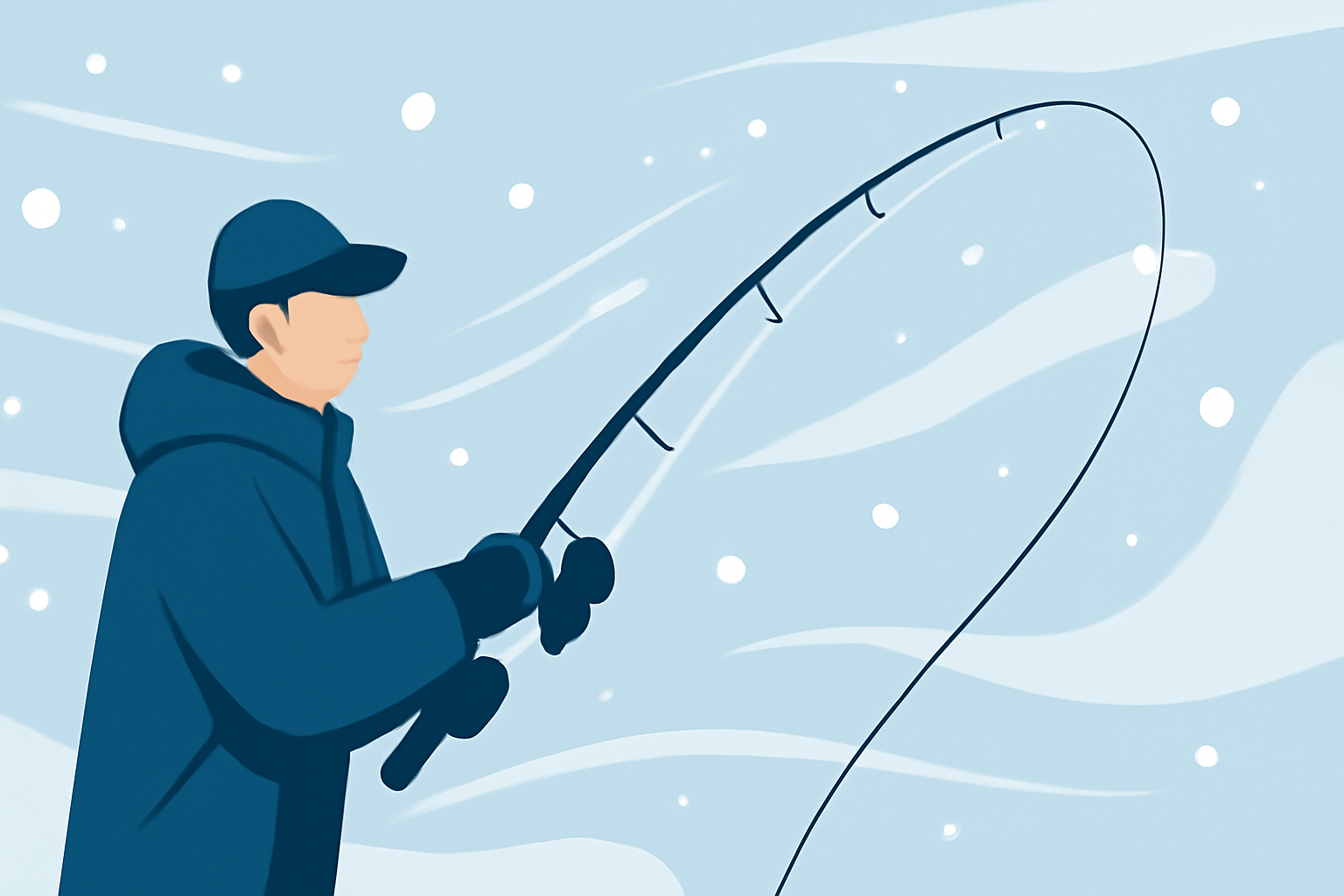
Fishing during winter storms presents unique challenges and risks, especially for beginners. Understanding the weather's impact on fish behavior and prioritizing safety are crucial. This guide provides essential information to help you navigate winter storm fishing safely and effectively.
How Do Winter Storms Affect Fish Behavior?
Winter storms can influence fish activity in various ways:
-
Pre-Storm Period: As a storm approaches, fish often become more active due to falling barometric pressure, leading to increased feeding. This period can offer excellent fishing opportunities. (stlucieweather.com)
-
During the Storm: Fish may seek shelter in deeper or calmer waters, becoming less active. Fishing during this time is generally less productive.
-
Post-Storm Period: After the storm passes, fish may remain in sheltered areas, and fishing can be challenging until conditions stabilize.
Is It Safe to Fish During a Winter Storm?
Fishing during a winter storm is generally unsafe due to several hazards:
-
Lightning: Even in winter, storms can produce lightning, posing a significant risk to anglers on the water. (enviroliteracy.org)
-
High Winds and Waves: Storms often bring strong winds and large waves, making navigation difficult and increasing the risk of capsizing.
-
Hypothermia: Exposure to cold rain and wind can quickly lead to hypothermia, even in relatively mild temperatures. (enviroliteracy.org)
What Are the Best Practices for Fishing Before and After a Winter Storm?
-
Before the Storm: The period leading up to a storm can be productive as fish feed more aggressively. (stlucieweather.com)
-
After the Storm: Fishing can be challenging immediately after a storm as fish remain in sheltered areas.
How Should Beginners Prepare for Winter Fishing?
-
Dress Appropriately: Layering is essential to stay warm and dry. (discoverboating.com)
-
Monitor Weather Conditions: Stay updated on weather forecasts to avoid sudden storms.
-
Use Proper Gear: Ensure you have the right equipment for cold-water fishing, including insulated boots and gloves.
-
Prioritize Safety: Always inform someone of your fishing plans and carry safety equipment like a life jacket and first-aid kit.
What Are the Risks of Fishing During a Winter Storm?
-
Lightning Strikes: Water is an excellent conductor of electricity, making lightning strikes particularly dangerous for anglers. (enviroliteracy.org)
-
Capsizing: High winds and waves can easily overturn small boats, leading to potential drowning.
-
Hypothermia: Cold temperatures can lead to rapid heat loss, increasing the risk of hypothermia. (enviroliteracy.org)
How Can I Fish Safely in Winter Conditions?
-
Choose the Right Time: Opt for fishing during stable weather conditions, avoiding periods of active storms.
-
Stay Informed: Regularly check weather updates and be prepared to adjust your plans accordingly.
-
Use Appropriate Gear: Equip yourself with gear suitable for cold and wet conditions to maintain comfort and safety.
By understanding the effects of winter storms on fish behavior and adhering to safety guidelines, beginners can enjoy a rewarding and safe fishing experience.
Highlights:
- Get started ice fishing | Mass.gov
- Tips for Fishing in the Winter | Discover Boating
- Winter fishing tips and how to stay safe