
Fishing During Winter Storms: Essential Safety Guidelines
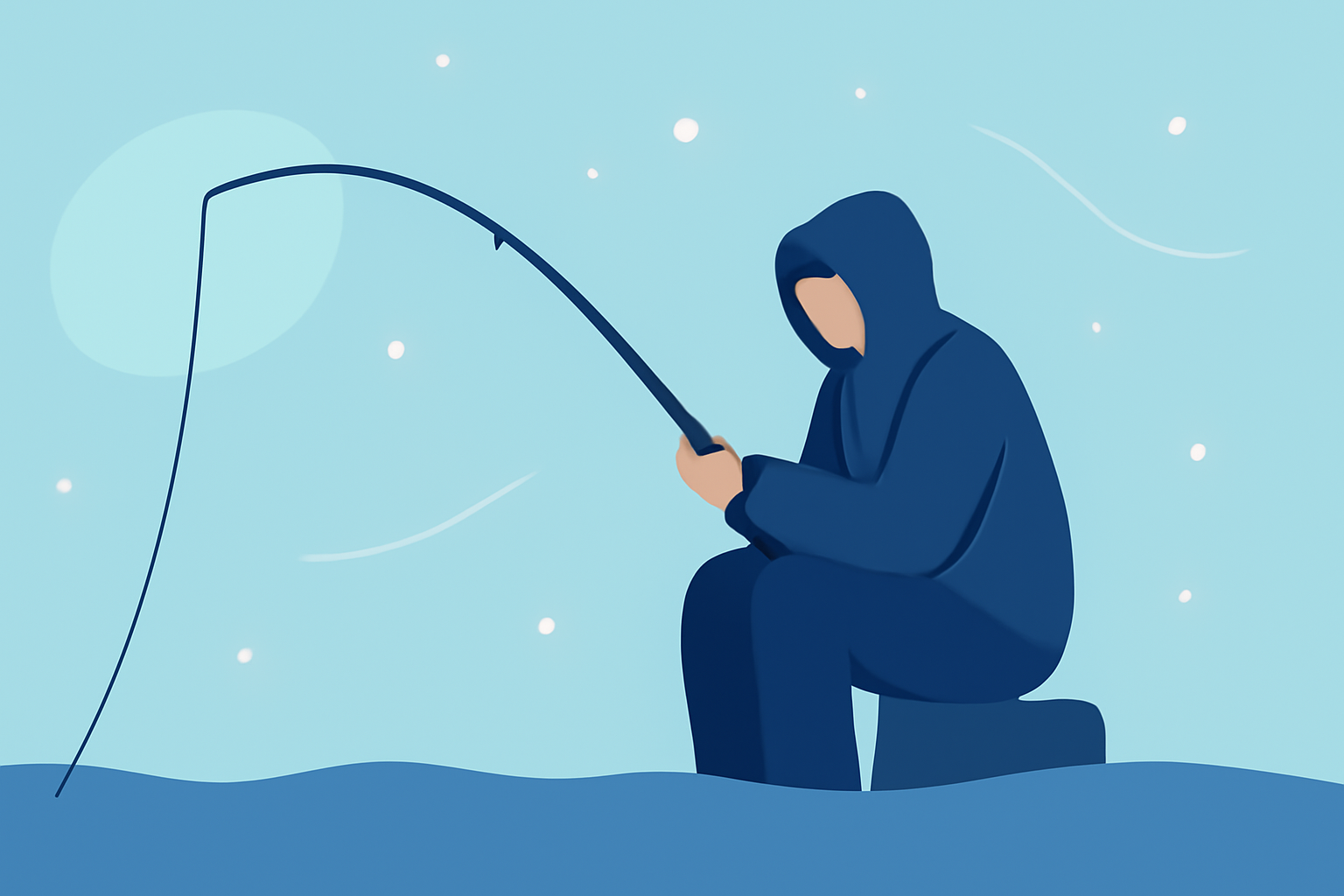
Fishing during winter storms presents unique challenges and risks. To ensure safety and enhance your fishing experience, it's essential to understand the specific hazards associated with winter weather and adopt appropriate precautions.
Understanding the Risks of Fishing During Winter Storms
Winter storms can bring a combination of snow, sleet, freezing rain, and dangerously cold temperatures. These conditions can lead to:
- Reduced Visibility: Snow and ice can obscure your surroundings, making navigation hazardous.
- Icy Surfaces: Slippery conditions increase the risk of slips and falls.
- Hypothermia and Frostbite: Prolonged exposure to cold can lead to serious health issues.
Safety Precautions for Fishing During Winter Storms
-
Monitor Weather Conditions: Stay updated with local weather forecasts to anticipate storm developments. This proactive approach allows you to plan your fishing trips around adverse weather conditions.
-
Dress Appropriately: Wear multiple layers of clothing to trap body heat. Ensure your outer layer is waterproof and windproof to protect against snow and rain. Don't forget insulated gloves, hats, and waterproof boots to safeguard extremities.
-
Choose Safe Locations: Opt for fishing spots that are easily accessible and away from areas prone to flooding or strong currents. Avoid fishing near ice-covered waters, as ice conditions can be unpredictable and dangerous.
-
Use Proper Equipment: Equip yourself with gear suitable for winter conditions, including insulated tackle boxes and waterproof bags. Ensure all equipment is in good working condition to prevent malfunctions in cold weather.
-
Limit Fishing Hours: During winter storms, daylight hours are shorter. Plan your fishing activities to maximize daylight and reduce exposure to cold and potentially hazardous conditions.
-
Stay Hydrated and Nourished: Bring warm, non-alcoholic beverages and high-energy snacks to maintain energy levels and body heat. Avoid alcohol, as it can increase the risk of hypothermia.
-
Inform Someone of Your Plans: Always let a friend or family member know your fishing location and expected return time. This ensures someone is aware of your whereabouts in case of emergencies.
-
Be Prepared to Seek Shelter: If weather conditions worsen unexpectedly, seek shelter immediately. Having a plan for such situations can prevent accidents and ensure your safety.
Recognizing and Responding to Cold-Related Health Issues
Be vigilant for signs of hypothermia and frostbite:
-
Hypothermia: Symptoms include shivering, confusion, slurred speech, and drowsiness. If you suspect hypothermia, seek warmth immediately and contact medical professionals.
-
Frostbite: Look for pale, hard, or numb skin, especially on fingers, toes, ears, and the nose. Gently warm the affected area and seek medical attention promptly.
Conclusion
Fishing during winter storms requires careful planning and adherence to safety guidelines. By staying informed, dressing appropriately, and being prepared for changing conditions, you can enjoy a safe and successful fishing experience during the winter months.
(cdc.gov)