
Fishing Safely During Severe Weather: A Step-by-Step Guide
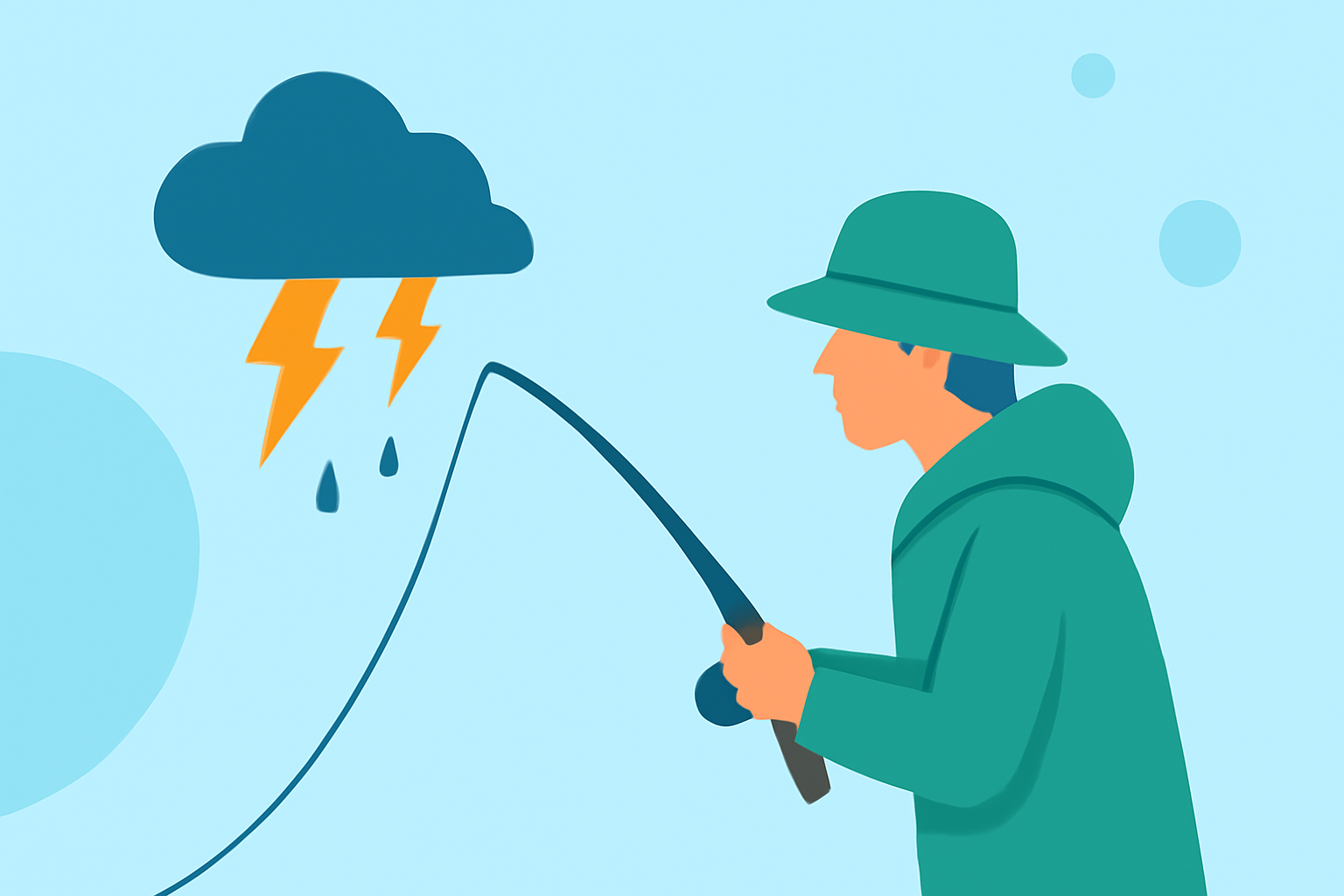
Fishing during severe weather can be both challenging and dangerous. However, with proper preparation and knowledge, anglers can navigate these conditions safely and even find opportunities for successful catches. This guide provides a step-by-step approach to fishing during severe weather, emphasizing safety and effective fishing strategies.
1. How Does Severe Weather Affect Fishing?
Severe weather conditions, such as thunderstorms, heavy rain, and strong winds, can significantly impact fish behavior and fishing safety. Fish are sensitive to changes in barometric pressure, water temperature, and light conditions, all of which are influenced by weather patterns. For instance, a falling barometric pressure before a storm can trigger a pre-frontal feeding frenzy, making fish more active. (fishday.pro)
2. What Are the Risks of Fishing During Severe Weather?
Engaging in fishing activities during severe weather poses several risks:
-
Lightning: Fishing during a thunderstorm is extremely dangerous due to the risk of lightning strikes. (enviroliteracy.org)
-
Strong Winds: High winds can create hazardous boating conditions, making navigation difficult and increasing the risk of capsizing. (weather.gov)
-
Heavy Rain: Intense rainfall can lead to rapid water level rises and reduced visibility, complicating navigation and fishing. (weather.gov)
3. How Can I Prepare for Fishing During Severe Weather?
Preparation is key to ensuring safety and success when fishing in severe weather:
-
Check Weather Forecasts: Before heading out, consult reliable weather sources for forecasts and warnings. (weather.gov)
-
Monitor Conditions: Use weather apps or NOAA Weather Radio to stay updated on changing conditions. (weather.gov)
-
Plan Accordingly: If severe weather is predicted, consider rescheduling your fishing trip or adjusting your plans to ensure safety. (weather.gov)
4. What Are the Best Fishing Conditions During Severe Weather?
Certain weather conditions can actually enhance fishing opportunities:
-
Light Rain: Light rain can reduce surface glare, making fish less wary and more likely to bite. (in.gov)
-
Overcast Skies: Cloudy days can encourage fish to feed more actively, as reduced sunlight makes them less cautious. (farmersalmanac.com)
-
Pre-Frontal Conditions: The period before a storm, characterized by falling barometric pressure, often leads to increased fish activity. (fishday.pro)
5. What Safety Measures Should I Take When Fishing During Severe Weather?
Safety should always be the top priority:
-
Avoid Thunderstorms: Do not fish during thunderstorms due to the risk of lightning strikes. (enviroliteracy.org)
-
Seek Shelter: If caught in a storm, seek shelter immediately. Avoid open areas and stay away from tall structures. (weather.gov)
-
Stay Informed: Keep monitoring weather updates and be prepared to return to shore if conditions worsen. (weather.gov)
6. How Can I Use Clime to Enhance My Fishing Experience?
Clime offers real-time weather updates, detailed forecasts, and severe weather alerts, allowing anglers to make informed decisions and plan their fishing trips effectively. By utilizing Clime's comprehensive weather data, you can monitor conditions, receive timely alerts, and ensure a safer and more productive fishing experience.
Conclusion
Fishing during severe weather requires careful planning, awareness of potential risks, and adherence to safety protocols. By understanding how weather affects fish behavior, preparing adequately, and utilizing tools like Clime for accurate weather information, anglers can navigate challenging conditions and enhance their fishing endeavors.
Highlights:
- Best Weather Conditions for Fishing: Complete Guide (2026) | FishDay - Best Fishing App
- How Weather Affects Fishing: Pressure, Wind, Rain, and Temperature | Hooked Fisherman | Hooked Fisherman, Published on Wednesday, January 14
- Do Moon Phases Affect Fishing? Plus the Weather Rules That Matter - Farmers' Almanac - Plan Your Day. Grow Your Life., Published on Monday, June 01