
Fishing Safely During Severe Weather: Essential Guidelines
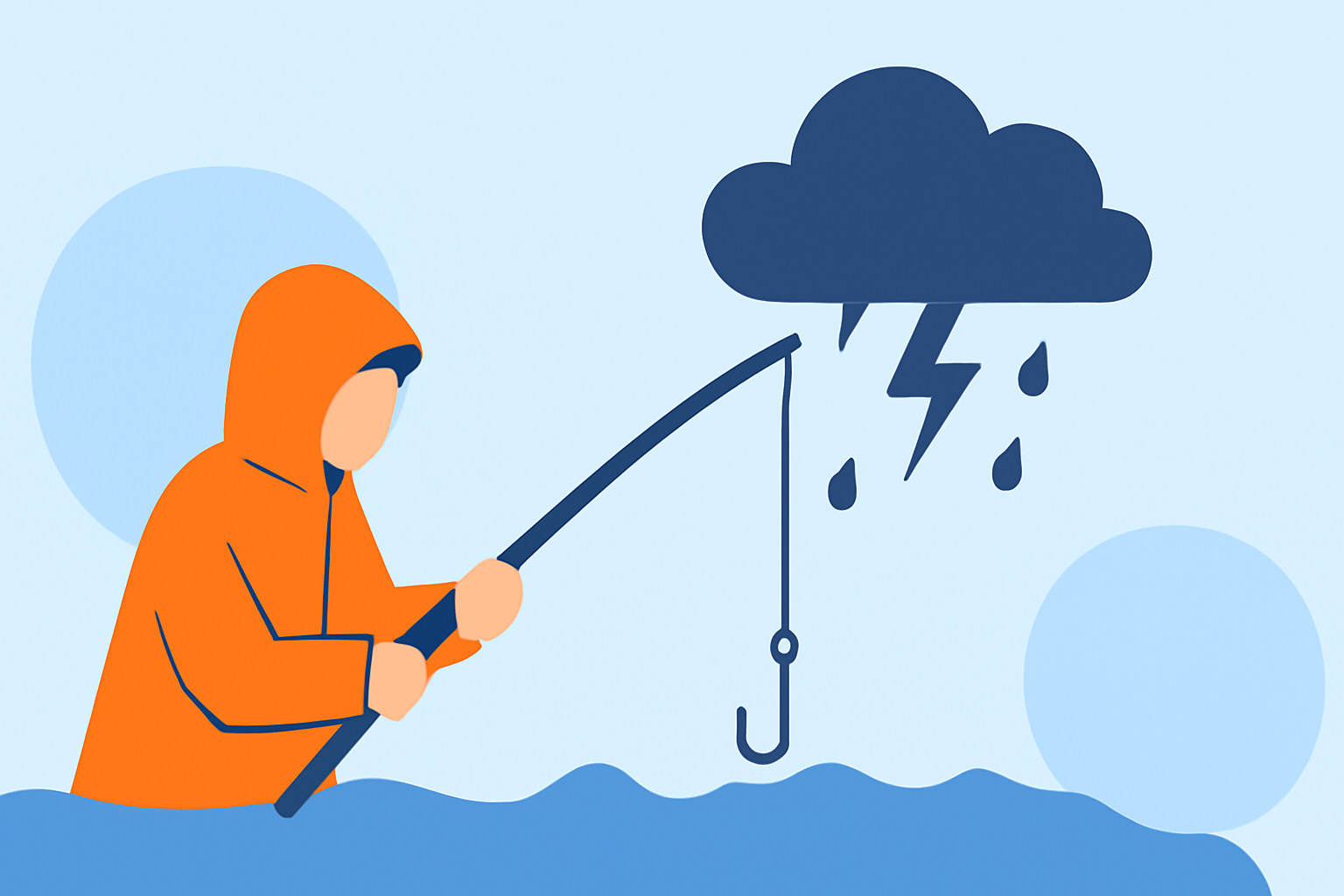
Fishing during severe weather conditions presents unique challenges and risks. Understanding how various weather patterns affect fish behavior and implementing safety measures are crucial for a successful and secure fishing experience. This guide provides essential insights and precautions to consider when fishing in adverse weather conditions.
How Does Severe Weather Affect Fish Behavior?
Severe weather can significantly influence fish activity and feeding patterns:
-
Thunderstorms and Lightning: Fishing during thunderstorms is extremely dangerous due to the risk of lightning strikes. Lightning can strike miles away from the storm cloud, posing a significant threat to anyone on the water. (enviroliteracy.org)
-
Heavy Rain: Light rain can improve fishing conditions by washing insects and bait into the water, creating a feeding frenzy for fish. Overcast skies also reduce the amount of light penetrating the water, making fish feel more comfortable and active. (enviroliteracy.org)
-
Cold Fronts: Cold fronts can make fish less active, driving them into deeper waters or heavy cover. Fishing during these times may require adjustments, such as using lighter lines, smaller baits, and slower presentations. (northlandtackle.com)
What Are the Safety Precautions for Fishing During Severe Weather?
Prioritizing safety is paramount when fishing in severe weather:
-
Monitor Weather Forecasts: Before heading out, check reliable weather sources for forecasts and any severe weather warnings. (weather.gov)
-
Avoid Fishing During Thunderstorms: If you hear thunder or see lightning, immediately leave the water and seek shelter. (enviroliteracy.org)
-
Prepare for Sudden Weather Changes: Be ready to head to shore quickly if conditions worsen. Carrying safety equipment like life jackets, whistles, and first-aid kits is essential. (weather.gov)
-
Stay Informed: Use weather apps or NOAA Weather Radio to stay updated on changing conditions. (weather.gov)
How Should You Adjust Your Fishing Techniques in Adverse Weather?
Adapting your fishing approach can enhance success during challenging conditions:
-
Light Rain: Utilize the opportunity to fish in overcast conditions, as fish may be more active. (enviroliteracy.org)
-
Cold Fronts: Fish may become more active during the middle of the day until just after dark. Focus on presenting bait close to structures and consider vertical jigging or live bait rigging. (northlandtackle.com)
What Are the Risks of Fishing During Severe Weather?
Understanding the dangers is crucial:
-
Lightning Strikes: Water conducts electricity, making anglers on the water vulnerable to lightning strikes. (enviroliteracy.org)
-
High Winds and Waves: Storms can bring strong winds and large waves, increasing the risk of capsizing and making navigation difficult. (enviroliteracy.org)
-
Hypothermia: Exposure to cold rain and wind can lead to hypothermia, even in mild temperatures. (enviroliteracy.org)
When Is It Safe to Fish After a Storm?
Fishing can be productive after a storm:
-
Post-Storm Activity: Fish may become more active as they emerge from shelters to feed. The water may be more turbid, providing cover for both predators and prey. (enviroliteracy.org)
-
Safety Considerations: Ensure the weather has cleared, and conditions are safe. Be cautious of rising water levels, floating debris, and stronger currents. (discoverboating.com)
Conclusion
Fishing during severe weather requires careful consideration and preparation. By understanding how weather affects fish behavior, implementing safety precautions, and adjusting your fishing techniques accordingly, you can enhance your fishing experience while ensuring your safety.
Highlights:
- Thunderstorm safety when fishing, Published on Wednesday, July 15
- Fishing Safety in Stormy Conditions: Gear and Emergency Tips | Guidesly, Published on Tuesday, February 10
- Rain Gear for Fishing in Thunderstorms: Lightning Safety & When to Exi – WindRider, Published on Saturday, January 24