
Flood Preparation Basics for Pet Owners
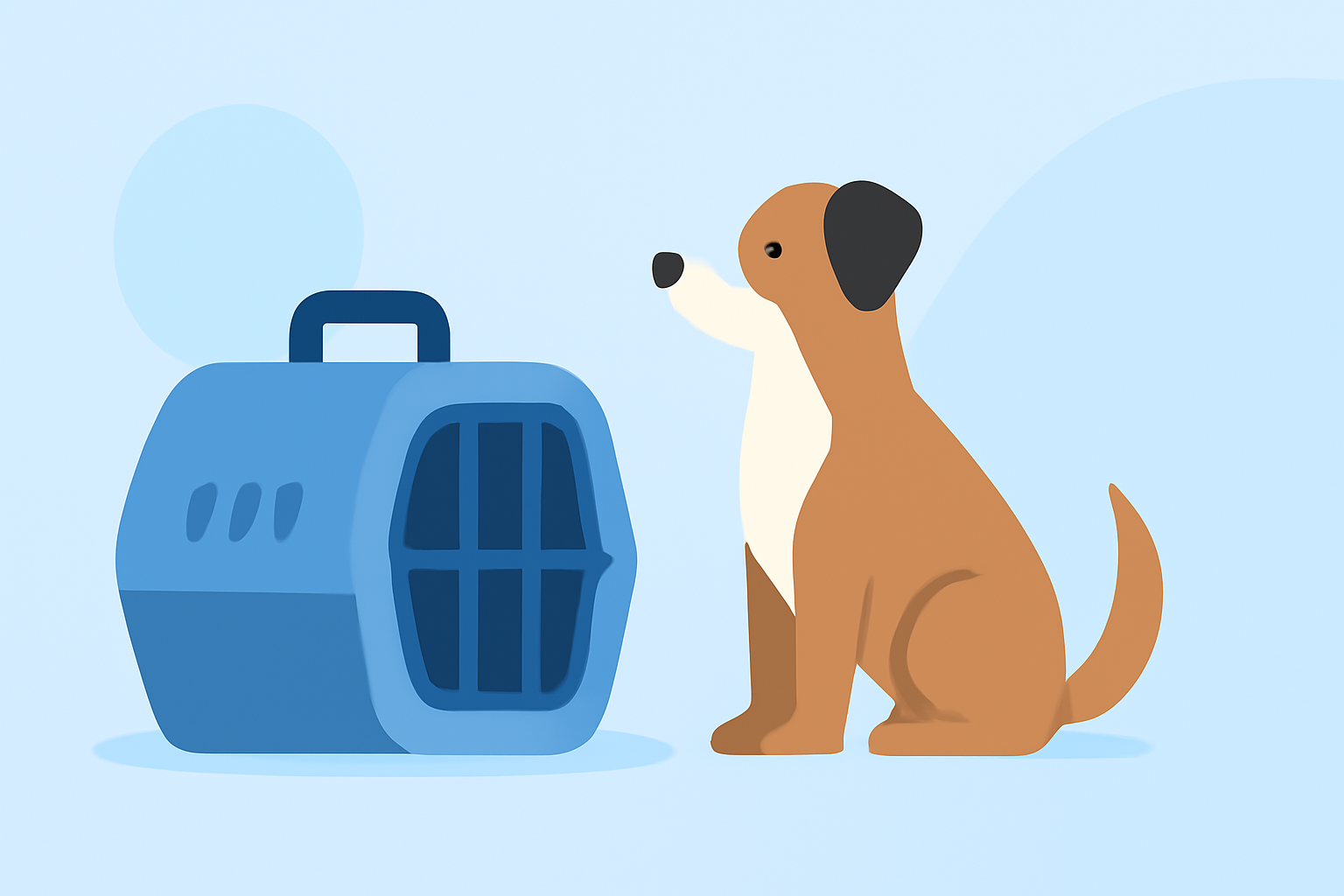
Floods are among the most common natural disasters in the United States, posing significant risks to both humans and animals. As a pet owner, it's crucial to prepare in advance to safeguard your furry companions during such events. This guide outlines essential steps to ensure your pet's safety before, during, and after a flood.
Why Is Flood Preparedness Important for Pet Owners?
Floods can develop rapidly, leaving little time for preparation. Pets are particularly vulnerable during these events due to their dependence on humans for care and shelter. Ensuring your pet's safety requires proactive planning and timely action.
What Should Be Included in an Emergency Kit for Pets?
An emergency kit is vital for your pet's well-being during a flood. Essential items to include are:
-
Food and Water: Store at least a seven-day supply of your pet's regular food and bottled water. Avoid allowing pets to drink floodwater, as it may be contaminated. (petmd.com)
-
Medications and Medical Records: Keep a one- to two-month supply of any medications your pet requires, along with copies of their medical records. (petmd.com)
-
Identification: Ensure your pet has a collar with an ID tag and is microchipped. This increases the chances of reuniting with your pet if separated. (aspca.org)
-
First-Aid Supplies: Include a pet-specific first-aid kit to address minor injuries or health issues. (petmd.com)
-
Comfort Items: Pack familiar items like toys or blankets to help reduce stress during evacuation or sheltering. (petmd.com)
How Can You Develop an Evacuation Plan for Your Pet?
Having a clear evacuation plan is crucial:
-
Identify Safe Locations: Determine pet-friendly shelters or accommodations outside your immediate area. Contact local authorities or the Red Cross to find approved shelters. (akc.org)
-
Arrange Transportation: Ensure you have a reliable means of transporting your pet, such as a sturdy carrier or leash. (akc.org)
-
Practice Evacuation Drills: Familiarize your pet with their carrier or leash and practice evacuation routes to reduce anxiety during an actual emergency. (akc.org)
What Precautions Should Be Taken During a Flood?
During a flood, prioritize your pet's safety by:
-
Bringing Pets Indoors: At the first sign of flooding, move your pets inside to prevent them from becoming disoriented or lost. (akc.org)
-
Avoiding Floodwaters: Do not allow pets to drink or come into contact with floodwater, as it may be contaminated with harmful substances. (akc.org)
-
Monitoring Weather Alerts: Stay informed about weather conditions and heed evacuation orders from local authorities. (akc.org)
How Should You Care for Your Pet After a Flood?
Post-flood care involves:
-
Inspecting for Injuries: Check your pet for injuries or signs of illness and seek veterinary care if necessary. (akc.org)
-
Providing Clean Water and Food: Offer fresh water and food to your pet, avoiding any contaminated supplies. (akc.org)
-
Reintroducing Familiar Scents: Use familiar bedding or toys to help your pet adjust to changes in their environment. (akc.org)
How Can Clime Assist in Pet Flood Preparedness?
Clime offers comprehensive solutions to enhance your pet's safety during floods:
-
Real-Time Weather Updates: Stay informed with accurate, location-specific weather forecasts to anticipate and prepare for flooding events.
-
Emergency Alerts: Receive timely notifications about severe weather conditions, enabling prompt action to protect your pets.
-
Evacuation Planning Tools: Utilize Clime's resources to identify pet-friendly shelters and plan evacuation routes effectively.
By integrating Clime into your disaster preparedness plan, you can ensure a higher level of safety and readiness for your pets during flood events.
FAQs
Q: How can I ensure my pet is properly identified during a flood?
A: Ensure your pet wears a collar with an ID tag and is microchipped. This increases the chances of reuniting with your pet if separated. (aspca.org)
Q: What should I include in my pet's emergency kit?
A: Include food, water, medications, first-aid supplies, identification, and comfort items. (petmd.com)
Q: How can Clime help in pet flood preparedness?
A: Clime offers real-time weather updates, emergency alerts, and evacuation planning tools to enhance your pet's safety during floods.
Q: What should I do if I can't evacuate with my pet?
A: Arrange with a neighbor or friend to evacuate your pet if you're away when a flood occurs. (akc.org)
Q: How can I help my pet adjust after a flood?
A: Use familiar bedding or toys to help your pet adjust to changes in their environment. (akc.org)
Highlights:
- How to Keep Your Dog Safe in a Flood – American Kennel Club
- 10 Hurricane Safety Tips for Pet Parents | PetMD, Published on Thursday, May 22
- Disaster Preparedness | ASPCA