
Flood Safety for Beginners: Essential Tips for Drivers
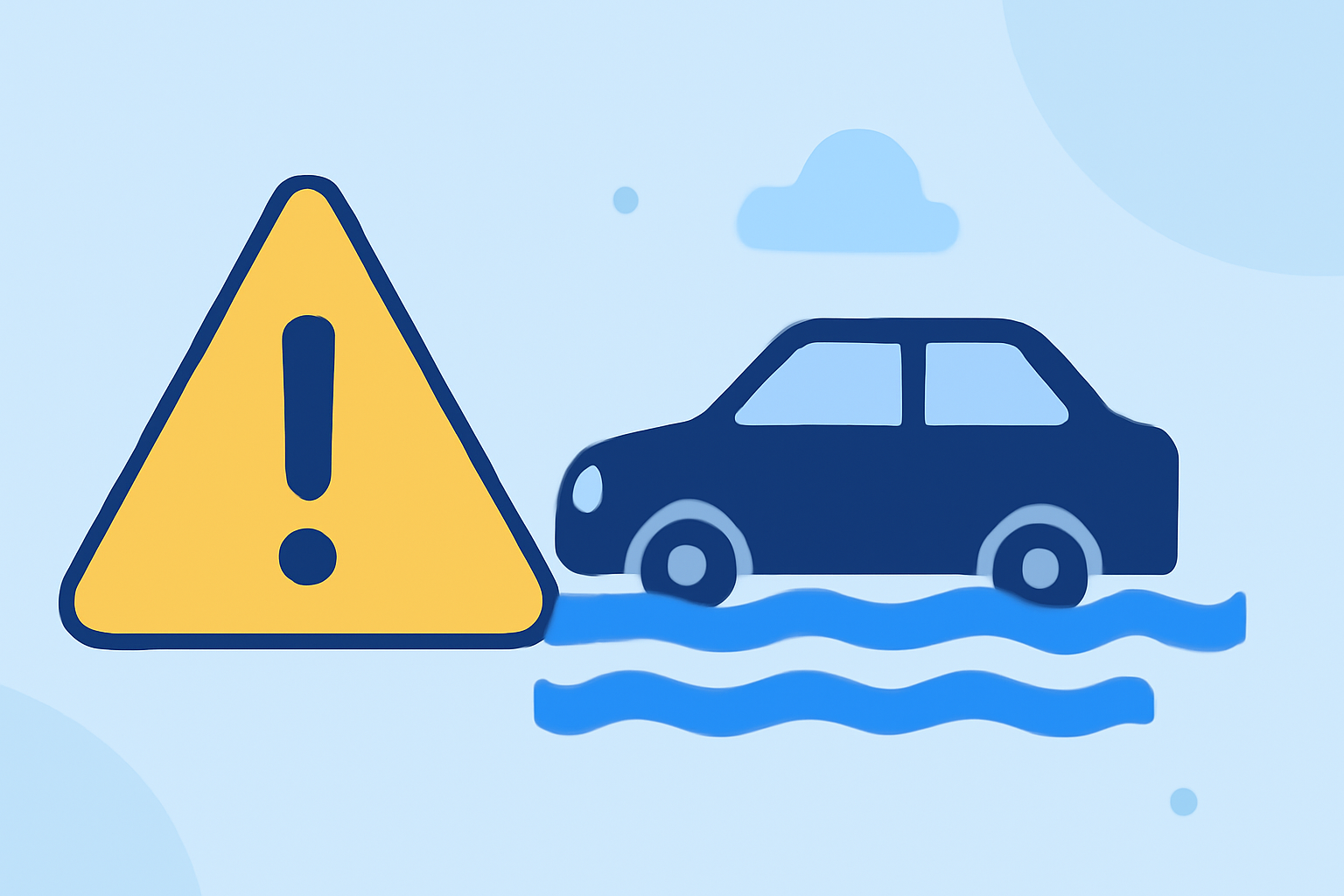
Flooding poses significant risks to drivers, especially those unfamiliar with flood safety. Understanding how to navigate flood-prone areas can prevent accidents and save lives.
What Are the Dangers of Driving in Flooded Areas?
Floodwaters can be deceptively deep and powerful. As little as 12 inches of fast-moving water can sweep away a small car, and 18-24 inches can carry away most large vehicles. Additionally, floodwaters can erode roadways, creating hidden hazards beneath the surface. (weather.gov)
How Can I Recognize Flooded Roads?
Flooded roads may appear as normal, but the water depth and road integrity are often unknown. Avoid driving through any water covering the road, as it could be deeper than it seems or the roadbed might be washed out. (weather.gov)
What Should I Do If I Encounter Flooded Roads?
-
Turn Around, Don't Drown: If you come across a flooded road, turn around and find an alternate route.
-
Avoid Low-Lying Areas: Stay away from dips, canyons, and areas near streams or rivers, as they are more susceptible to flooding. (weather.gov)
-
Stay Informed: Monitor weather updates and heed any flood warnings or advisories. (weather.gov)
What Are the Risks of Driving Through Floodwaters?
Attempting to drive through floodwaters can lead to vehicle stalling, loss of control, or being swept away. Even if the water appears shallow, the current can be strong enough to pose a threat. (weather.gov)
How Can I Prepare for Flood Conditions?
-
Plan Ahead: Before traveling, check weather forecasts and be aware of areas prone to flooding.
-
Emergency Kit: Keep an emergency kit in your vehicle, including essentials like water, non-perishable food, flashlight, and first aid supplies.
-
Know Your Route: Familiarize yourself with alternate routes in case of road closures due to flooding.
What Should I Do If My Vehicle Is Stalled in Floodwaters?
If your vehicle stalls in floodwaters, abandon it immediately and seek higher ground. Rapidly rising water can engulf the vehicle and its occupants, posing a significant risk. (weather.gov)
How Can I Stay Safe During Flood Conditions?
-
Stay Alert: Be especially cautious at night when it is harder to recognize flood dangers.
-
Avoid Flooded Areas: Do not attempt to walk or drive through floodwaters.
-
Help Others: Assist those who may be unaware of flood risks, especially in your community.
By understanding and adhering to these flood safety guidelines, you can significantly reduce the risks associated with driving in flood-prone areas.
Highlights:
- Flood Safety Tips and Resources
- Flood Safety and Preparedness
- Floods and Flash Floods