
Flood Safety for Commuters: Essential Guidelines
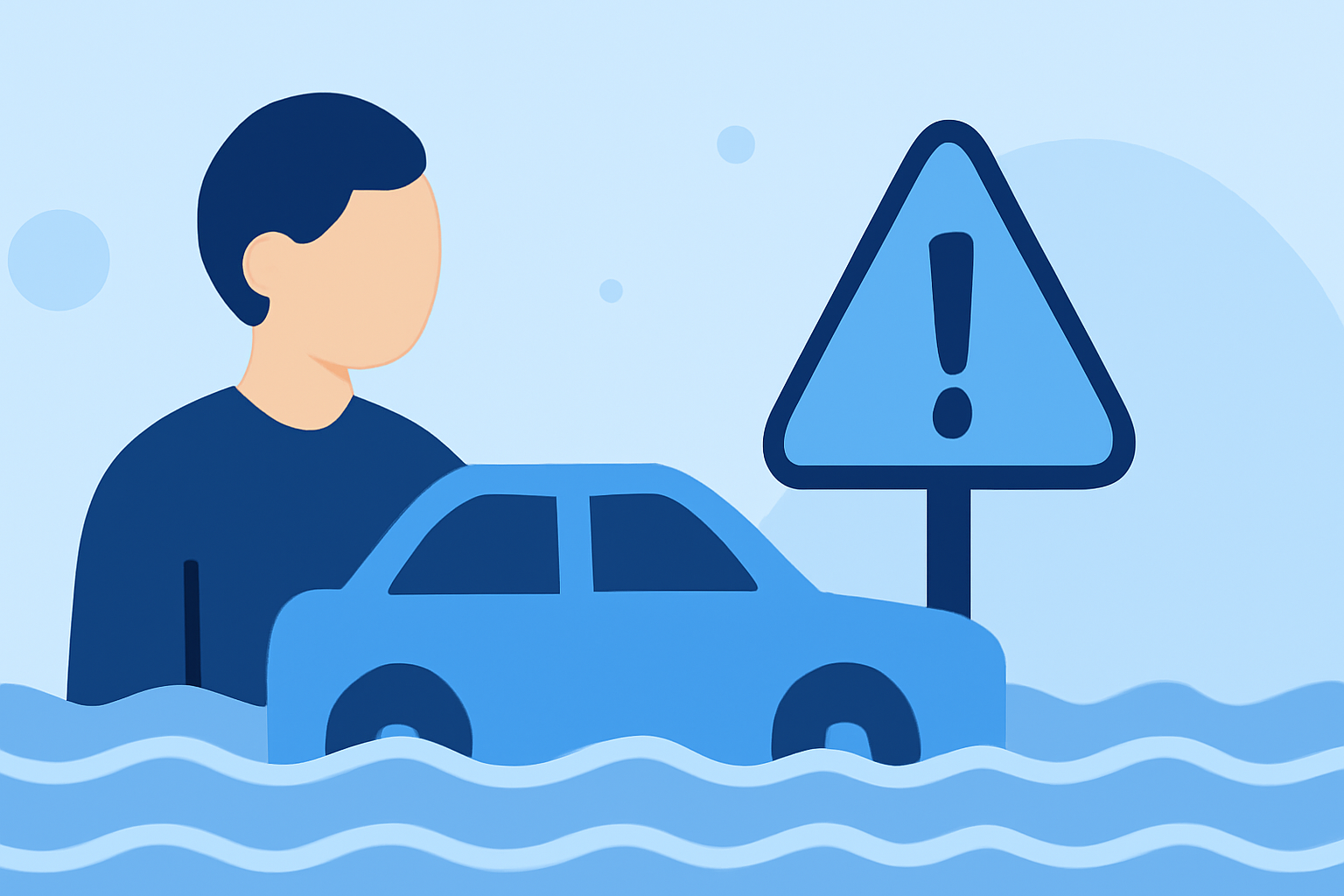
Flooding poses significant risks to commuters across the United States, often occurring with little warning and leading to hazardous driving conditions. Understanding and implementing flood safety measures is crucial for ensuring personal safety and minimizing potential damage.
Understanding Flood Risks
Floods can develop rapidly, especially during heavy rainfall or storms. Even shallow water can be dangerous; as little as six inches of moving water can knock a person off their feet, and two feet can sweep away most vehicles. (nhtsa.gov)
Before You Travel
-
Stay Informed: Regularly monitor local weather forecasts and flood alerts. The National Weather Service provides timely updates on flood conditions. (weather.gov)
-
Plan Your Route: Identify alternative routes that are less prone to flooding. Avoid areas near rivers, streams, or low-lying regions susceptible to rapid water accumulation.
-
Vehicle Preparedness: Ensure your vehicle is equipped with an emergency kit, including essentials like a flashlight, first aid supplies, non-perishable food, and water.
During Flood Conditions
-
Avoid Flooded Areas: If you encounter a flooded road, turn around and seek an alternative route. Do not attempt to drive through standing or moving water. (nhtsa.gov)
-
Heed Warnings: Pay attention to road signs, barricades, and local advisories indicating flood-prone areas.
-
Drive Cautiously: If driving in heavy rain, reduce speed and increase following distance. Remember, it takes longer to stop or steer on wet roads.
After Flooding
-
Assess Conditions: Wait for official clearance before resuming travel. Floodwaters can cause structural damage to roads and bridges, making them unsafe.
-
Report Hazards: Inform local authorities about any road damage or hazards encountered during your commute.
Leveraging Technology for Safety
Utilizing real-time flood information can enhance commuter safety. Tools like FloodSight provide live flood hazard data, including FEMA flood zones and National Weather Service alerts, helping commuters make informed decisions. (floodsight.org)
Conclusion
Flood safety is paramount for commuters. By staying informed, planning routes carefully, and adhering to safety guidelines, you can significantly reduce the risks associated with flooding during your daily commute.
Highlights:
- Preparing for Floods | Floods | CDC, Published on Monday, February 05
- Flood Preparedness - National Safety Council
- Flood Safety Tips and Resources