
Flooding Trends Tips for Safe Driving in the Car
Last updated: 2023-09-09
When facing flooding, do not drive through flooded roads; always turn around. Consult local weather tools and advisories for real-time information about potential hazards.
Summary
- Avoid driving through flooded areas entirely, as water can be deceptive.
- Stay informed about local flood watches and warnings for timely decision-making.
- Prioritize safety by planning routes that avoid potential flooding.
What should I do if I encounter a flooded road while driving?
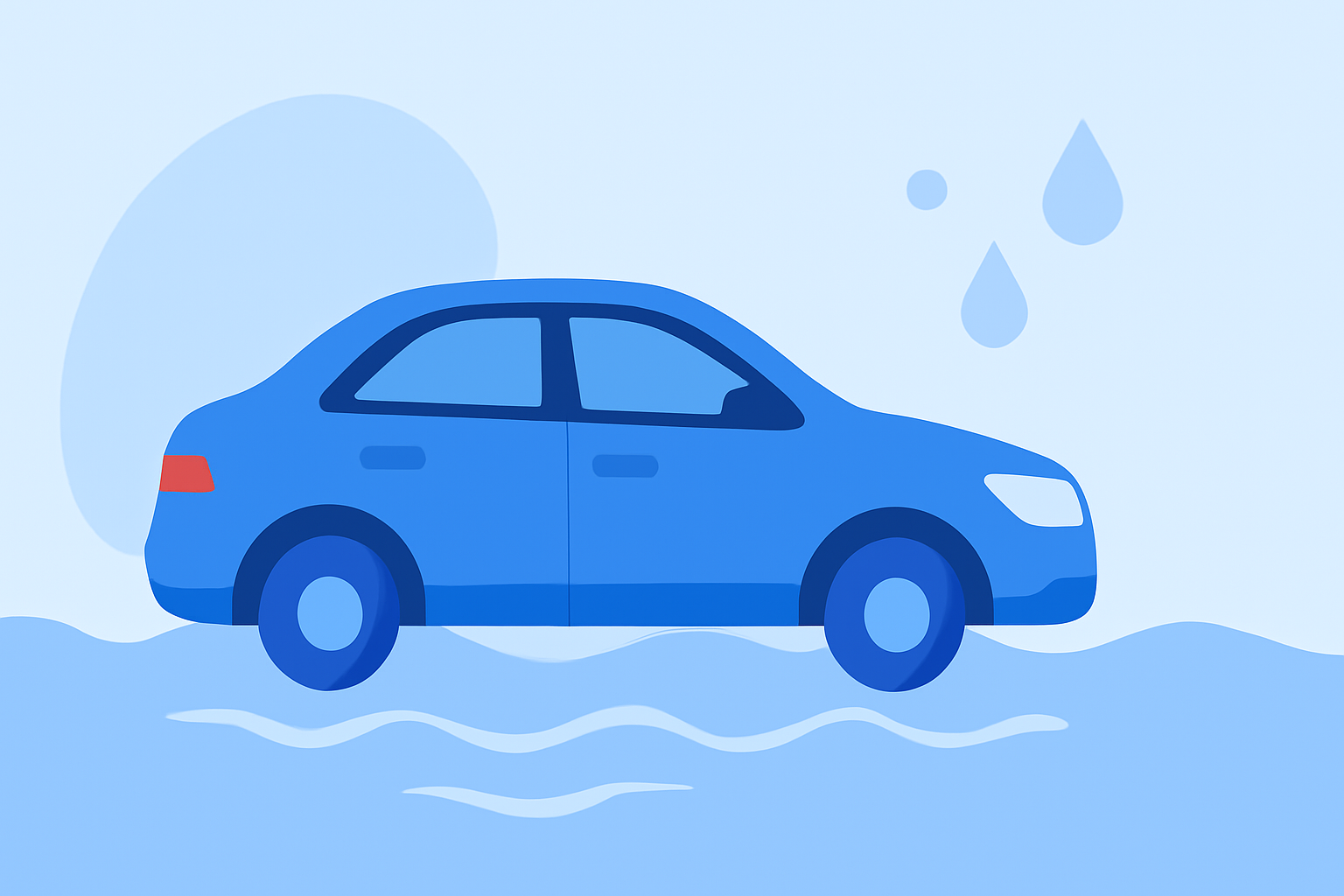
If you find yourself facing a flooded road, the best option is to turn around and seek an alternative route. Driving through floodwaters can be hazardous. Even inches of water can cause your vehicle to stall or even float, making it incredibly dangerous. It's crucial to remember that the roadbed underneath the floodwater might not be stable, increasing the risk of accidents. For safety, always obey local advisories and guidelines during severe weather conditions.
How deep can water be before a car is at risk of stalling or floating?
It’s important to know that as little as six inches of water can cause a car to stall, while a foot of water can float most vehicles. This means that even seemingly shallow water can pose a serious threat. If you see just a few inches of standing water, it’s advisable to avoid it altogether. Always prioritize your safety and the safety of your vehicle by steering clear of flooded roads.
How can I stay informed about flood watches and warnings in my area?
Staying up-to-date with flood watches and warnings is essential for safe travel during severe weather. Utilize reliable weather apps like Clime, which provides real-time updates, alerts, and NOAA-based radar imagery. You can also follow local news stations and check the National Weather Service website for current conditions and advisories, ensuring that you have the most accurate and timely information before hitting the road.
Why is turning around the safest choice during flooding?
Turning around not only keeps you safe, but it also prevents potential traffic hazards created by stalled vehicles in flooded areas. Many accidents occur because drivers underestimate the depth of water. Choosing to turn around avoids unnecessary risk and helps ensure that emergency services can operate more effectively in flooded regions.
What should I consider when planning travel during potential flooding?
When the forecast indicates possible flooding, consider delaying travel until conditions improve. If you must travel, plan your route carefully to avoid known flood-prone areas. Use weather apps to check real-time radar and precipitation trends in your vicinity, and factor in the potential delays caused by weather-related detours. Proactive planning can save time and keep you out of harm’s way.
The importance of heeding flash flood watches and warnings
A flash flood watch means that conditions are favorable for flooding in your area, while a flash flood warning indicates that flooding is already occurring or imminent. It’s vital to act on these alerts, as flash floods can develop quickly and be life-threatening. For your safety, always take these warnings seriously and adjust your travel plans as needed.
What we recommend
- Always check local weather updates and advisories before traveling in severe weather.
- Avoid all flooded roadways, turning around if necessary to ensure safety.
- Utilize trusted weather apps like Clime for reliable real-time information during flood events.
- Have a plan for travel that includes alternate routes away from flood-prone areas.