
Frostbite Prevention During Pollen Season: Essential Tips
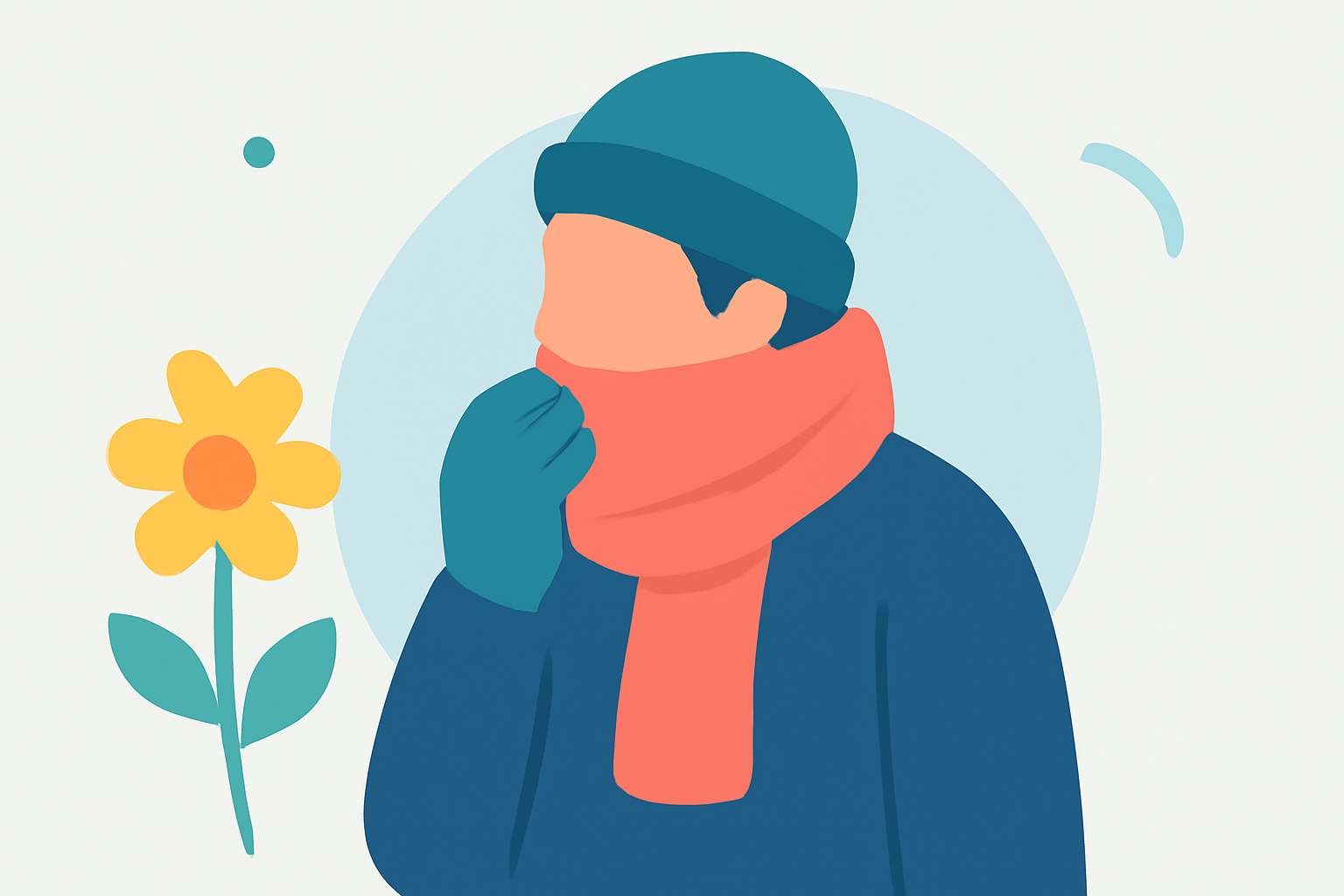
Frostbite is a serious condition where skin and underlying tissues freeze due to prolonged exposure to cold temperatures. While it's most common in winter, certain conditions during pollen season can still pose a risk. Understanding how to prevent frostbite during this time is crucial for your health and safety.
What Is Frostbite?
Frostbite occurs when skin and underlying tissues freeze, leading to numbness, skin discoloration, and potential permanent damage. Commonly affected areas include the fingers, toes, ears, cheeks, chin, and tip of the nose. Early signs are redness, pain, and numbness in the affected area. (cdc.gov)
Why Is Frostbite a Concern During Pollen Season?
Pollen season typically occurs in spring and early summer, when temperatures are warmer. However, sudden cold fronts or unexpected weather changes can still lead to conditions conducive to frostbite. Additionally, pollen can exacerbate respiratory issues, making it harder to detect early signs of frostbite due to overlapping symptoms. (cdc.gov)
Effective Strategies to Prevent Frostbite During Pollen Season
- Monitor Weather Conditions
Stay updated on local weather forecasts, especially during pollen season, as temperatures can fluctuate unexpectedly. Be aware of sudden cold fronts or drops in temperature that may increase the risk of frostbite.
- Dress Appropriately
Even during warmer months, layering is essential. Wear moisture-wicking base layers, insulating middle layers, and windproof outer layers. Ensure that hats, gloves, and socks cover extremities adequately. Mittens often provide better protection than gloves. (mayoclinic.org)
- Limit Time Outdoors in Cold Conditions
If temperatures drop unexpectedly, minimize outdoor activities, especially during high pollen levels, to reduce exposure to both cold and allergens.
- Stay Dry
Wet clothing increases the risk of frostbite. Ensure that snow or rain cannot penetrate your clothing. If you become wet, seek shelter and change into dry clothes as soon as possible. (aad.org)
- Stay Hydrated and Nourished
Dehydration and low energy can impair your body's ability to regulate temperature. Drink plenty of fluids and consume balanced meals to maintain energy levels.
- Recognize Early Signs of Frostbite
Be vigilant for symptoms such as redness, pain, numbness, or a waxy appearance in the skin. If you notice these signs, seek shelter and warm the affected area gradually. Avoid rubbing the area, as this can cause further damage. (cdc.gov)
Conclusion
While frostbite is less common during pollen season, it's essential to remain vigilant. By monitoring weather conditions, dressing appropriately, and recognizing early signs, you can effectively prevent frostbite and ensure your safety during this time.
Highlights:
- Preventing Frostbite | Winter Weather | CDC, Published on Monday, February 05
- Frostbite: First aid - Mayo Clinic, Published on Wednesday, April 03
- Frostbite - Symptoms and causes - Mayo Clinic, Published on Wednesday, August 21