
Frostbite Prevention for Beginners During Pollen Season
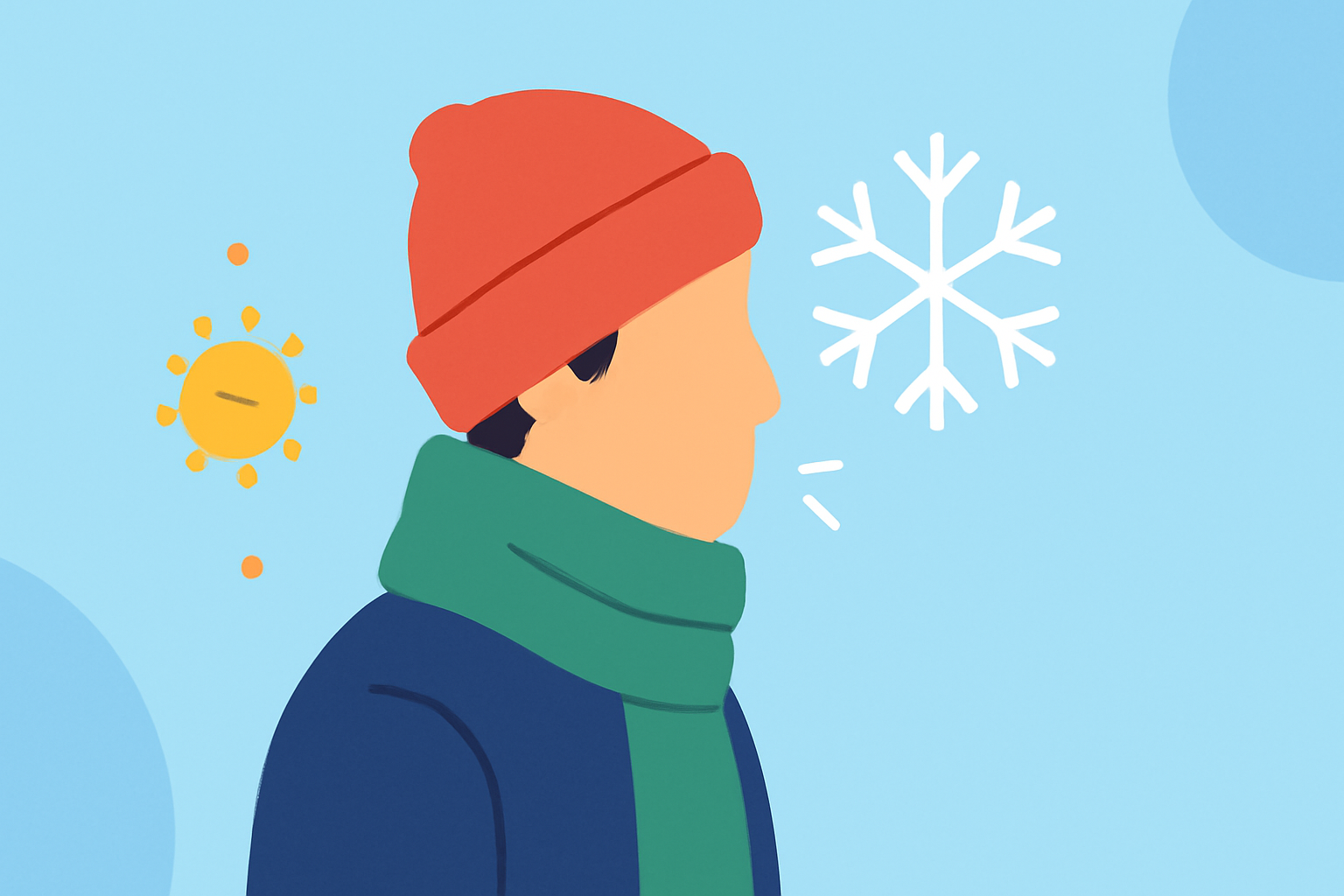
Engaging in outdoor activities during pollen season can be both invigorating and challenging. While pollen levels may be high, it's crucial to remain vigilant against the risk of frostbite, especially during early morning or late evening hours when temperatures can drop unexpectedly.
What Is Frostbite and Why Is It a Concern?
Frostbite occurs when skin and underlying tissues freeze due to prolonged exposure to cold temperatures. This condition can lead to permanent damage if not addressed promptly. Common symptoms include numbness, redness, and a stinging or burning sensation in the affected area. Recognizing these signs early is vital to prevent severe damage. (aad.org)
How Can I Prevent Frostbite During Pollen Season?
-
Dress in Layers: Opt for loose, comfortable layers to trap warm air. Start with a moisture-wicking base layer, add an insulating layer like fleece or wool, and top it with a waterproof, windproof outer layer. This combination helps regulate body temperature and protects against cold winds. (mayoclinichealthsystem.org)
-
Protect Extremities: Ensure your hands, feet, ears, and face are well-covered. Wear insulated gloves or mittens, thick socks, warm boots, a hat, and a scarf or face covering. These areas are particularly susceptible to frostbite and should be shielded from the cold. (health.cornell.edu)
-
Stay Dry: Wet clothing increases heat loss and the risk of frostbite. Choose moisture-wicking fabrics and avoid cotton, which retains moisture. If you become wet, change into dry clothes as soon as possible. (health.cornell.edu)
-
Limit Exposure: Be mindful of the time spent outdoors, especially during periods of extreme cold or high wind chill. If possible, schedule outdoor activities during the warmest parts of the day and take frequent breaks indoors to warm up. (uchicagomedicine.org)
-
Monitor Weather Conditions: Keep an eye on local weather forecasts, as conditions can change rapidly. Be prepared to adjust your plans if temperatures drop unexpectedly or if wind speeds increase, both of which can elevate the risk of frostbite. (mayoclinichealthsystem.org)
How Does Pollen Season Affect Frostbite Risk?
While pollen season primarily concerns allergic reactions, it's important to note that early mornings and late evenings during this time can be cooler, increasing the risk of frostbite. Additionally, pollen can irritate the respiratory system, making it harder to detect early signs of frostbite due to discomfort. Therefore, staying vigilant about both pollen exposure and temperature changes is essential. (healthline.com)
What Are the Early Signs of Frostbite?
Early indicators of frostbite include:
-
Redness or paleness in the affected area.
-
A stinging, burning, or prickling sensation.
-
Numbness or loss of feeling.
If you experience these symptoms, seek shelter immediately and begin warming the affected area gradually. Avoid rubbing the skin, as this can cause further damage. (aad.org)
How Can I Safely Enjoy Outdoor Activities During Pollen Season?
-
Choose the Right Time: Engage in outdoor activities during times when pollen levels are lower, typically in the late morning or early evening. (bannerhealth.com)
-
Wear Protective Gear: Use masks or bandanas to cover your nose and mouth, and consider wearing sunglasses or goggles to protect your eyes from pollen. (webmd.com)
-
Stay Informed: Check local pollen forecasts before heading out to plan your activities accordingly. (healthline.com)
By taking these precautions, you can enjoy outdoor activities during pollen season while minimizing the risk of frostbite and allergic reactions.
Highlights:
- How to prevent and treat frostbite
- Cold Weather Tips | Cornell Health
- How to prevent frostbite during cold weather - UCHealth Today, Published on Tuesday, January 14