
Frostbite Prevention: A Parent's Guide to Protecting Your Children in Cold Weather
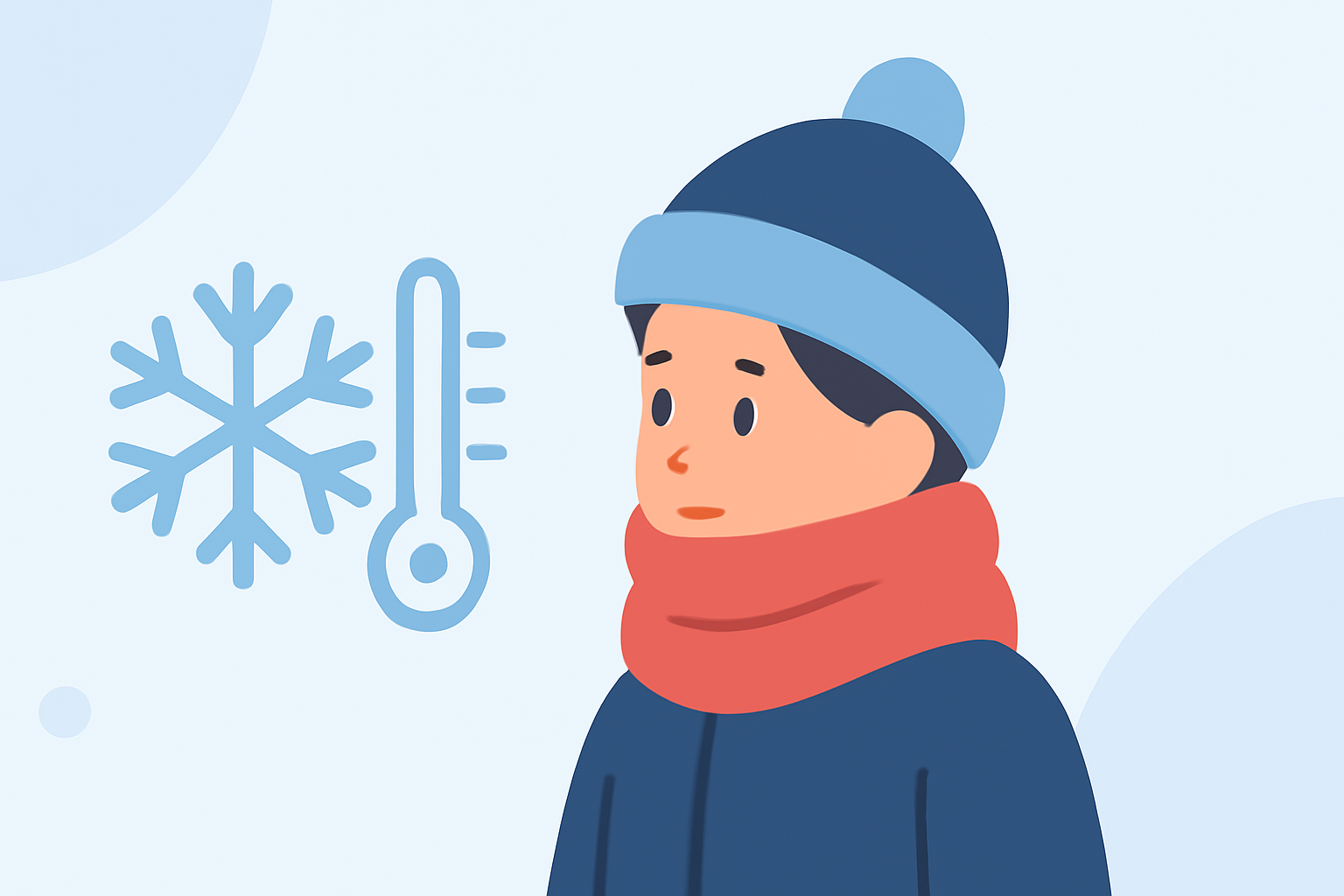
As winter approaches, parents must be vigilant about protecting their children from frostbite—a serious condition caused by freezing temperatures. Understanding frostbite, its symptoms, and preventive measures is crucial to ensure your child's safety during cold weather activities.
What Is Frostbite?
Frostbite occurs when skin and underlying tissues freeze due to prolonged exposure to cold temperatures. It most commonly affects extremities such as the nose, ears, cheeks, fingers, and toes. Early signs include redness, pain, and numbness in the affected area. If not addressed promptly, frostbite can lead to permanent tissue damage and, in severe cases, amputation. (cdc.gov)
Who Is at Risk?
While anyone can develop frostbite, certain factors increase the risk:
- Age: Children and older adults are more susceptible due to thinner skin and less effective circulation.
- Health Conditions: Individuals with poor blood circulation, such as those with diabetes or Raynaud's disease, are at higher risk.
- Environmental Factors: Wind, wet conditions, and low temperatures can accelerate heat loss from the body. (cdc.gov)
Recognizing Early Signs of Frostbite
Early detection is vital. Watch for these symptoms:
- Redness or Pain: Initial signs may include redness or pain in the skin.
- White or Grayish-Yellow Skin: Affected areas may turn pale or waxy.
- Firm or Waxy Skin: The skin may feel unusually firm or waxy to the touch.
- Numbness: Affected areas may become numb, making it difficult to feel pain or cold. (cdc.gov)
Preventing Frostbite in Children
To protect your children from frostbite:
-
Dress in Layers: Ensure your child wears multiple layers of clothing to trap heat. The inner layer should wick moisture away from the skin, the middle layer should provide insulation, and the outer layer should protect against wind and moisture. (medlineplus.gov)
-
Cover Extremities: Use hats, scarves, mittens (preferably over gloves), and warm, waterproof boots to protect ears, fingers, and toes. (medlineplus.gov)
-
Keep Dry: Change wet clothing promptly, especially socks and mittens, as wetness increases heat loss. (chp.edu)
-
Limit Exposure: Encourage indoor activities during extremely cold periods. If outdoor play is necessary, take frequent breaks to warm up.
-
Stay Hydrated and Nourished: Ensure your child consumes warm, nutritious meals and drinks to maintain energy and body heat. (medlineplus.gov)
What to Do if Frostbite Occurs
If you suspect your child has frostbite:
-
Seek Medical Attention: Contact a healthcare provider immediately.
-
Warm the Affected Area: If medical help is not immediately available, gently warm the frostbitten area using warm (not hot) water. Avoid rubbing or massaging the area, as this can cause further damage. (cdc.gov)
-
Protect the Area: Cover the warmed area with sterile, non-stick bandages.
-
Avoid Walking on Frostbitten Feet or Toes: If the feet or toes are affected, have your child avoid walking to prevent further injury. (kidshealth.org)
Conclusion
By understanding frostbite and implementing preventive measures, parents can significantly reduce the risk of this serious condition in their children. Always stay informed and prepared to ensure your child's safety during the colder months.
Highlights:
- Preventing Frostbite | Winter Weather | CDC, Published on Monday, February 05
- Frostbite Prevention Tips | Children's Hospital Pittsburgh