
Frostbite Prevention: A Step-by-Step Guide
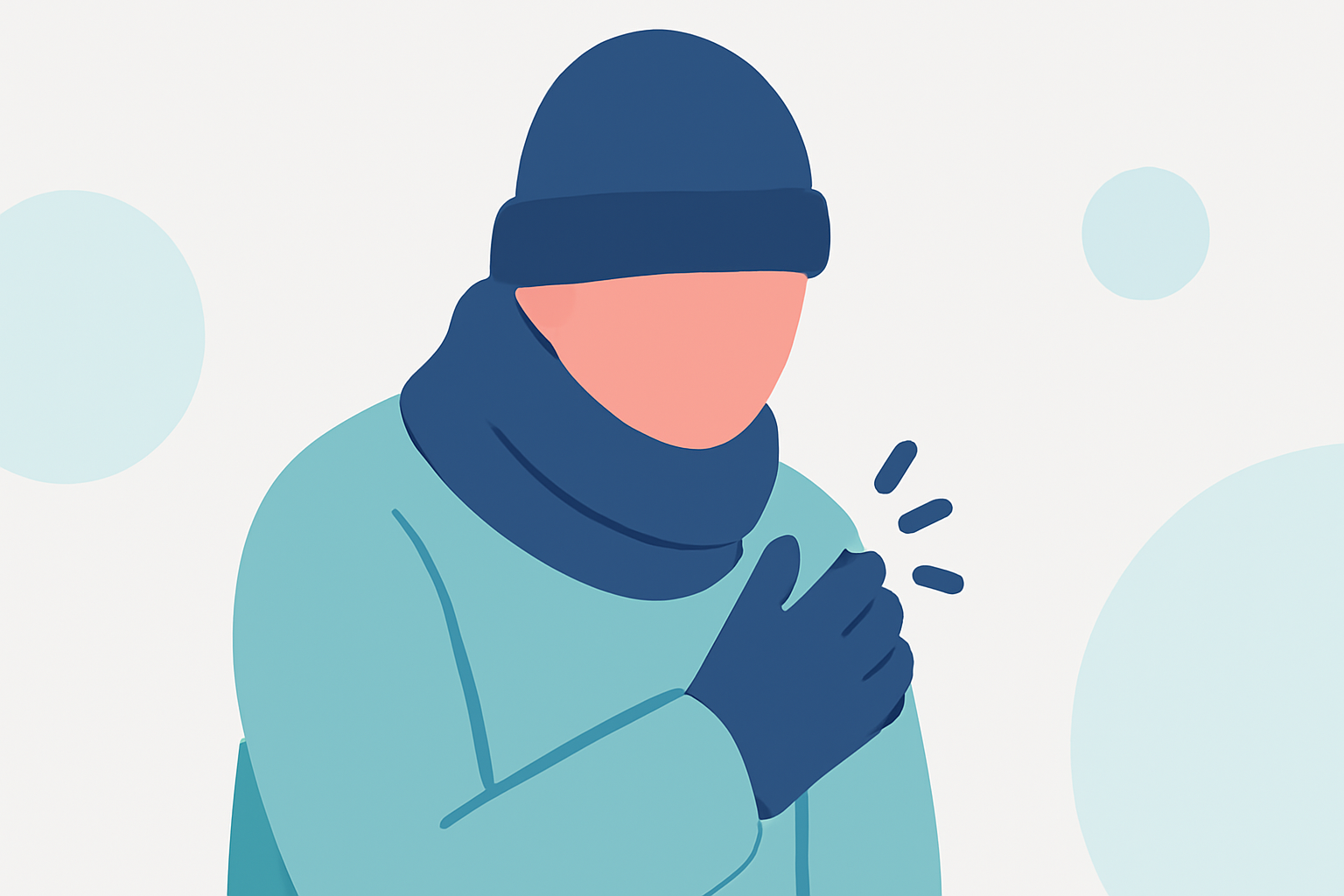
Frostbite is a serious condition that occurs when skin and underlying tissues freeze due to prolonged exposure to extremely cold temperatures. It most commonly affects the nose, ears, cheeks, chin, fingers, and toes. Understanding how to prevent frostbite is crucial for anyone spending time in cold environments. This guide provides a step-by-step approach to safeguarding yourself against frostbite.
What Is Frostbite?
Frostbite is an injury to the body's tissues caused by exposure to very cold temperatures. The affected skin may turn white or grayish-yellow and feel firm or waxy. Numbness is also a common symptom. If not treated promptly, frostbite can lead to permanent tissue damage and, in severe cases, amputation. (mayoclinic.org)
Who Is at Risk?
Certain factors increase the risk of developing frostbite:
-
Medical Conditions: Conditions like diabetes, Raynaud's disease, and peripheral vascular disease can impair blood flow, making individuals more susceptible. (medlineplus.gov)
-
Lifestyle Factors: Smoking and alcohol consumption can constrict blood vessels, reducing blood flow to extremities.
-
Environmental Exposure: Spending extended periods in cold, wet, or windy conditions without proper clothing increases risk. (restoredcdc.org)
Recognizing the Early Signs
Early detection of frostbite is vital:
-
Frostnip: The initial stage of frostbite, characterized by redness and cold skin, which may start to turn white but remains soft. (medlineplus.gov)
-
Advanced Symptoms: As frostbite progresses, affected areas may become numb, hard, pale, or waxy. Blisters can form upon rewarming, and the skin may turn black in severe cases. (medlineplus.gov)
Preventive Measures
Taking proactive steps can significantly reduce the risk of frostbite:
- Dress Appropriately:
-
Layering: Wear several layers of loose, warm clothing. Air trapped between layers acts as insulation against the cold. (mayoclinichealthsystem.org)
-
Headgear: Use a hat or headband that fully covers your ears. Materials like heavy wool or windproof fabrics offer optimal protection. (mayoclinichealthsystem.org)
-
Hand Protection: Opt for mittens instead of gloves, as they provide better warmth for your fingers. (nsc.org)
-
Footwear: Ensure socks keep your feet warm and dry. (nsc.org)
- Stay Dry:
-
Moisture Management: Wet clothing increases the risk of frostbite. Before heading outdoors, ensure snow cannot easily get inside your boots or clothing. (aad.org)
-
Activity Level: If you start to sweat, reduce your activity level or adjust your clothing to prevent moisture buildup. (aad.org)
- Limit Exposure:
-
Time Outdoors: In cold, windy weather, exposed skin can develop frostbite in minutes. Limit your time outdoors during such conditions. (nsc.org)
-
Wind Protection: Wind can accelerate heat loss. Use windproof clothing and seek shelter when possible. (restoredcdc.org)
- Maintain Hydration and Nutrition:
-
Hydration: Dehydration increases the risk of frostbite. Drink at least one glass of water before heading outside, and always drink water or a sports drink before an outdoor workout. (aad.org)
-
Nutrition: Eating carbohydrates can help maintain energy levels and body heat. (medlineplus.gov)
- Avoid Alcohol and Smoking:
-
Alcohol: Alcohol can increase the risk of frostbite by dilating blood vessels, leading to heat loss. (aad.org)
-
Smoking: Smoking constricts blood vessels, reducing blood flow to extremities and increasing susceptibility to frostbite. (medlineplus.gov)
What to Do if You Suspect Frostbite
If you or someone else shows signs of frostbite:
- Seek Shelter:
- Warm Environment: Move to a warm place as soon as possible. (restoredcdc.org)
- Remove Wet Clothing:
- Dry and Loose: Take off wet or restrictive clothing to prevent further heat loss. (restoredcdc.org)
- Warm the Affected Area:
-
Warm Water: Immerse the frostbitten area in warm (not hot) water for 20 to 30 minutes. The temperature should be comfortable to the touch for unaffected parts of the body. (restoredcdc.org)
-
Body Heat: If warm water isn't available, use body heat. For example, place frostbitten fingers under your armpit. (restoredcdc.org)
- Avoid Direct Heat:
- No Direct Heat: Do not use heating pads, heat lamps, or direct heat sources like stoves or fireplaces, as they can cause burns. (mayoclinic.org)
- Protect the Area:
- Cover Blisters: If blisters form, leave them intact and cover them loosely with a sterile or clean cloth to prevent infection. (orthoinfo.org)
- Seek Medical Attention:
- Professional Care: Even if symptoms seem mild, it's essential to consult a healthcare provider for proper evaluation and treatment. (mayoclinic.org)
Conclusion
Preventing frostbite requires awareness, preparation, and prompt action. By understanding the risks and implementing these preventive measures, you can enjoy winter activities safely and protect yourself from the dangers of frostbite.
Highlights:
- Frostbite: First aid - Mayo Clinic, Published on Wednesday, April 03
- Preventing Frostbite, Published on Monday, February 05
- How to prevent and treat frostbite