
Frostbite Prevention Tips During Workouts
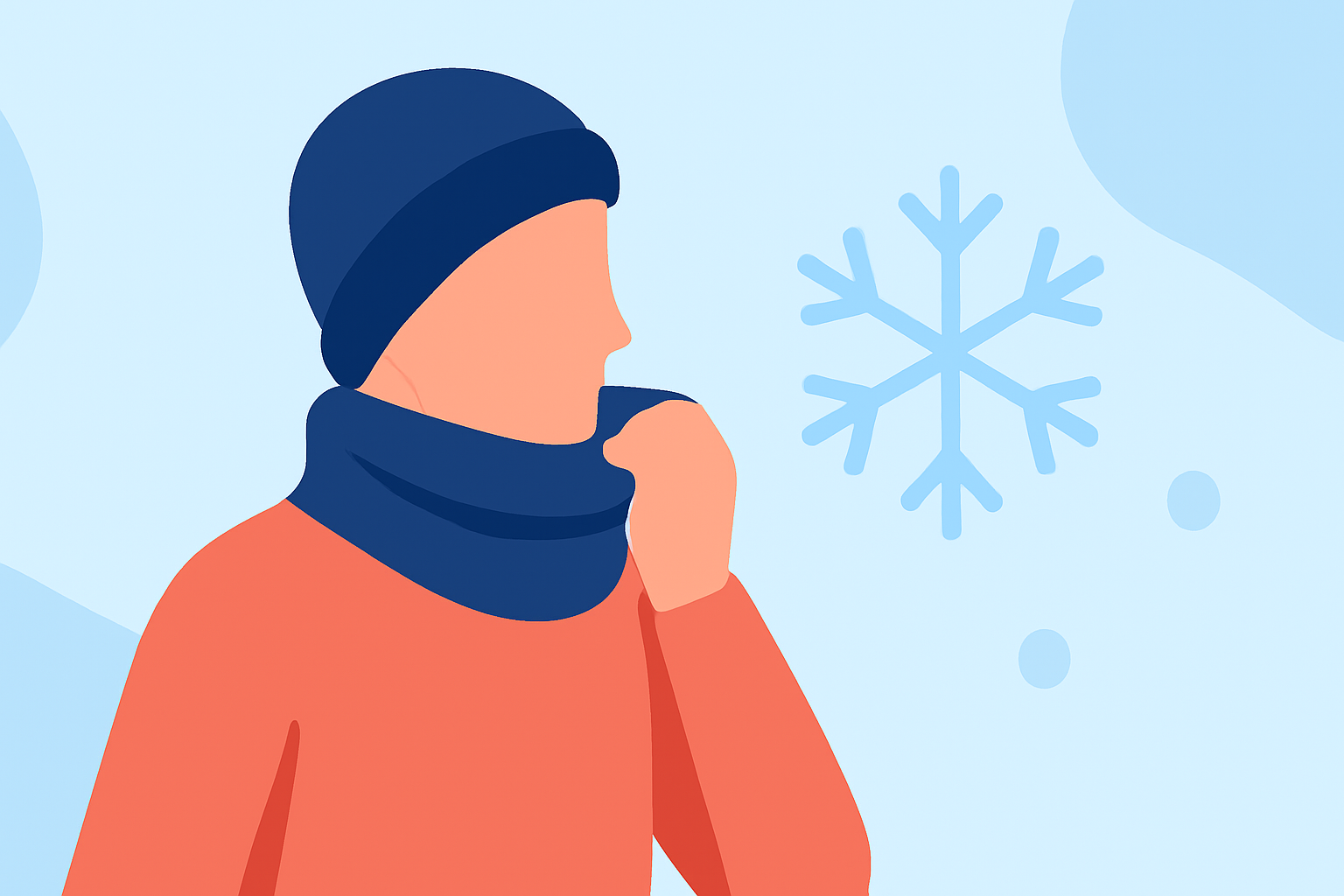
Exercising outdoors during cold weather can be invigorating, but it also poses the risk of frostbite—a serious condition where skin and underlying tissues freeze. Understanding how to prevent frostbite is crucial for maintaining health and enjoying winter workouts safely.
What Is Frostbite?
Frostbite occurs when skin and underlying tissues freeze due to prolonged exposure to cold temperatures. It most commonly affects extremities such as fingers, toes, ears, and the nose. Early signs include redness, pain, numbness, and a white or grayish-yellow skin appearance. If not addressed promptly, frostbite can lead to permanent tissue damage and, in severe cases, amputation. (cdc.gov)
Who Is at Risk?
Certain factors increase the risk of developing frostbite:
- Poor Circulation: Conditions like diabetes or cardiovascular diseases can impair blood flow.
- Inadequate Clothing: Not dressing appropriately for cold weather.
- Environmental Conditions: Wind, wetness, and low temperatures elevate risk.
- Duration of Exposure: Prolonged time in cold environments increases susceptibility. (mayoclinic.org)
Preventive Measures
To minimize the risk of frostbite during workouts:
- Monitor Weather Conditions:
-
Wind Chill: Wind can penetrate clothing, increasing the risk of frostbite. At wind chill levels below -18°F (-28°C), frostbite can occur on exposed skin in 30 minutes or less. (sportsmedicine.mayoclinic.org)
-
Temperature and Wind: Always check the latest weather forecasts before heading out.
- Dress in Layers:
-
Base Layer: Wear moisture-wicking materials like polypropylene to keep skin dry.
-
Insulating Layer: Use fleece or wool to retain body heat.
-
Outer Layer: Choose windproof and waterproof materials to protect against the elements. (medlineplus.gov)
- Protect Extremities:
-
Hands and Feet: Wear insulated gloves and socks. Mittens often provide better protection than gloves.
-
Head and Ears: Use hats or headbands that cover ears to prevent heat loss. (mayoclinic.org)
- Stay Dry:
-
Avoid Cotton: Cotton retains moisture, which can lead to heat loss. Opt for synthetic or wool materials.
-
Change Wet Clothing Promptly: If you become wet, change into dry clothes as soon as possible. (medlineplus.gov)
- Limit Exposure:
-
Duration: Reduce the time spent outdoors during extreme cold.
-
Intensity: Adjust workout intensity to prevent excessive sweating, which can increase heat loss. (aafp.org)
- Stay Hydrated and Nourished:
-
Hydration: Drink fluids before, during, and after exercise to maintain body temperature.
-
Nutrition: Consume balanced meals to fuel your body and support heat production. (medlineplus.gov)
- Recognize Early Signs:
-
Frostbite Indicators: Numbness, tingling, or a stinging sensation in exposed areas.
-
Hypothermia Symptoms: Intense shivering, slurred speech, loss of coordination, and fatigue. (sportsmedicine.mayoclinic.org)
When to Seek Medical Attention
If you experience signs of frostbite or hypothermia:
-
Frostbite: Seek medical care immediately. Do not rub the affected area, as this can cause further damage.
-
Hypothermia: Call emergency services. Gently warm the person and provide warm, non-alcoholic beverages if conscious. (cdc.gov)
Conclusion
By taking proactive steps to dress appropriately, monitor environmental conditions, and listen to your body's signals, you can significantly reduce the risk of frostbite during winter workouts. Always prioritize safety and consult healthcare professionals if you have concerns about exercising in cold weather.
FAQs
- What are the early signs of frostbite?
- Early signs include redness, pain, numbness, and a white or grayish-yellow skin appearance. (cdc.gov)
- How can I protect my hands and feet during cold-weather workouts?
- Wear insulated gloves and socks. Mittens often provide better protection than gloves. (mayoclinic.org)
- Is it safe to exercise outdoors in temperatures below freezing?
- Exercise can be performed safely in most cold-weather environments if proper precautions are taken. (pubmed.ncbi.nlm.nih.gov)
- What should I do if I notice signs of hypothermia during exercise?
- Seek emergency help immediately. Gently warm the person and provide warm, non-alcoholic beverages if conscious. (cdc.gov)
- How can I prevent frostbite during winter workouts?
- Monitor weather conditions, dress in layers, protect extremities, stay dry, limit exposure, stay hydrated and nourished, and recognize early signs of frostbite and hypothermia. (sportsmedicine.mayoclinic.org)