
Frostbite Prevention Workflow for Parents: Safeguarding Your Children in Cold Weather
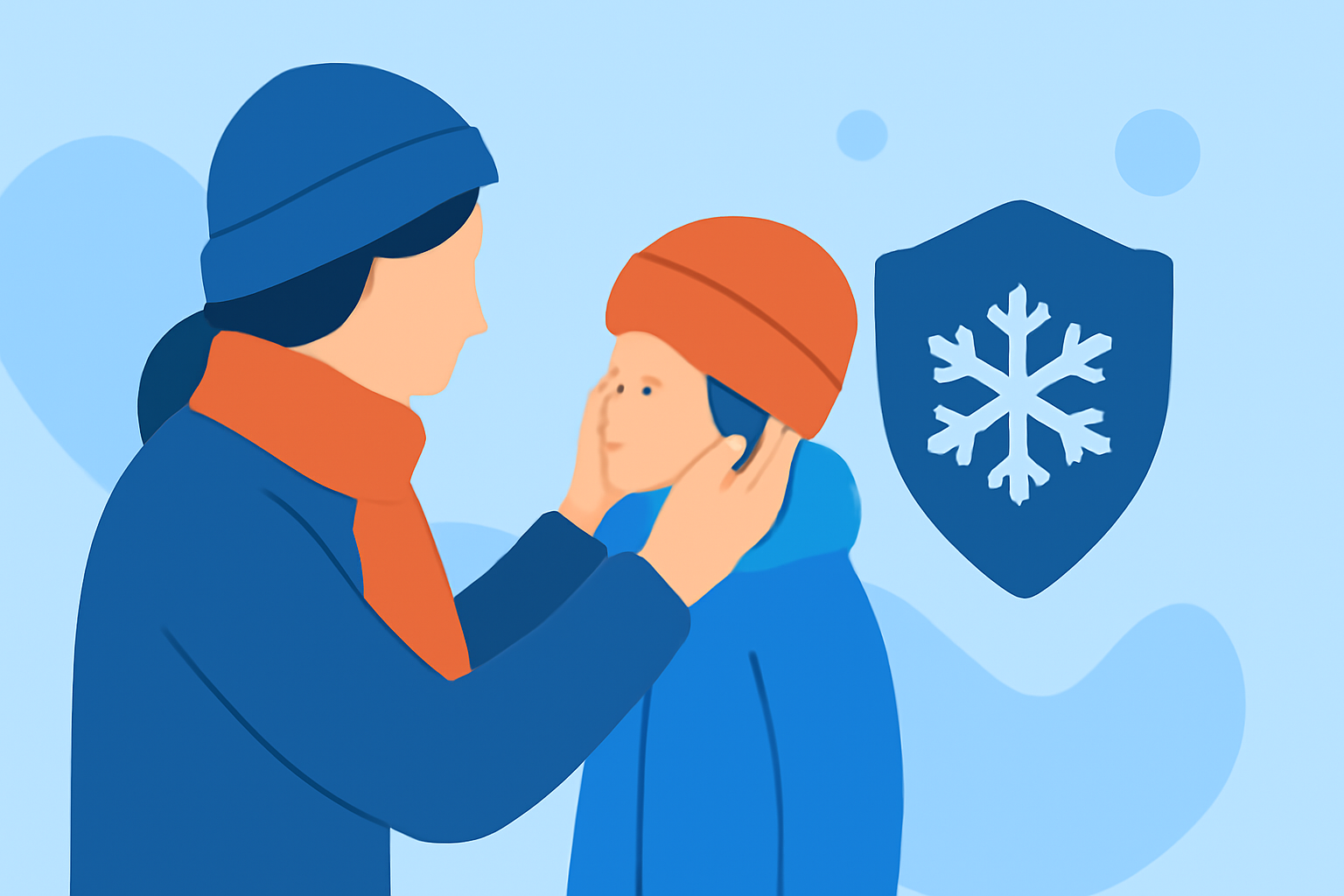
Introduction
As winter approaches, parents must be vigilant about the risks of frostbite, especially for children who are more susceptible due to their faster heat loss. This guide provides essential information on recognizing, preventing, and treating frostbite to ensure your child's safety during cold weather.
What Is Frostbite?
Frostbite is an injury caused by freezing temperatures, leading to damage in skin and underlying tissues. It commonly affects extremities such as fingers, toes, ears, and the nose. Early signs include redness, pain, and numbness in the affected area. If untreated, frostbite can result in permanent tissue damage and, in severe cases, amputation. (cdc.gov)
Why Are Children More Vulnerable?
Children are particularly at risk for frostbite because they lose heat from their skin faster than adults. Additionally, they may not recognize the early signs of frostbite or may be reluctant to come inside during play, increasing their exposure to cold temperatures. (chp.edu)
Recognizing the Signs of Frostbite
Early detection is crucial. Look for the following symptoms:
- Redness or pain in the skin
- White or grayish-yellow skin in the affected area
- Skin that feels unusually firm or waxy
- Numbness in the affected area
If you notice any of these signs, it's essential to seek medical care promptly. (cdc.gov)
Preventing Frostbite in Children
Implementing a proactive approach can significantly reduce the risk of frostbite:
-
Dress in Layers: Ensure your child wears several thin layers of clothing, which trap heat more effectively than a single thick layer. (healthychildren.org)
-
Cover Extremities: Use warm boots, gloves or mittens, and hats to protect fingers, toes, ears, and the nose. (healthychildren.org)
-
Keep Dry: Wet clothing increases heat loss. Change wet clothes promptly to maintain warmth. (chp.edu)
-
Limit Outdoor Exposure: Encourage regular breaks indoors to warm up, especially during prolonged outdoor activities. (chp.edu)
-
Stay Hydrated and Nourished: Offer warm drinks and snacks to help maintain body temperature. (chp.edu)
What to Do if Frostbite Occurs
If you suspect your child has frostbite:
-
Seek Medical Attention: Contact a healthcare provider immediately for proper evaluation and treatment. (cdc.gov)
-
Warm the Affected Area: If medical help isn't immediately available, gently warm the frostbitten area using warm (not hot) water (100-105°F or 37-41°C) until sensation returns. Avoid rubbing or massaging the area. (childrenshospital.org)
-
Protect the Area: Cover the warmed area with clean, dry cloths to prevent further injury. (childrenshospital.org)
Conclusion
By understanding the risks and implementing preventive measures, parents can significantly reduce the likelihood of frostbite in children. Always stay vigilant, dress appropriately for the weather, and encourage regular breaks indoors to ensure your child's safety during cold conditions.
FAQs
- How can I tell if my child has frostbite?
Look for signs such as redness, pain, white or grayish skin, firmness, waxiness, or numbness in the affected area. (cdc.gov)
- What should I do if my child has frostbite?
Seek medical attention immediately. If help isn't available, gently warm the affected area with warm (not hot) water until sensation returns. (childrenshospital.org)
- How can I prevent frostbite in my child?
Dress your child in layers, ensure extremities are covered, keep them dry, limit outdoor exposure, and provide warm drinks and snacks. (healthychildren.org)
- Are children more susceptible to frostbite than adults?
Yes, children lose heat from their skin faster than adults and may not recognize the early signs of frostbite. (chp.edu)
- Can frostbite cause permanent damage?
Yes, severe frostbite can lead to permanent tissue damage and, in extreme cases, amputation. (cdc.gov)
Highlights:
- Winter Safety Tips to Avoid Frostbite | Shriners Children's, Published on Thursday, January 22