
Gardening Basics for Commuters: How to Grow Fresh Produce with Limited Time and Space
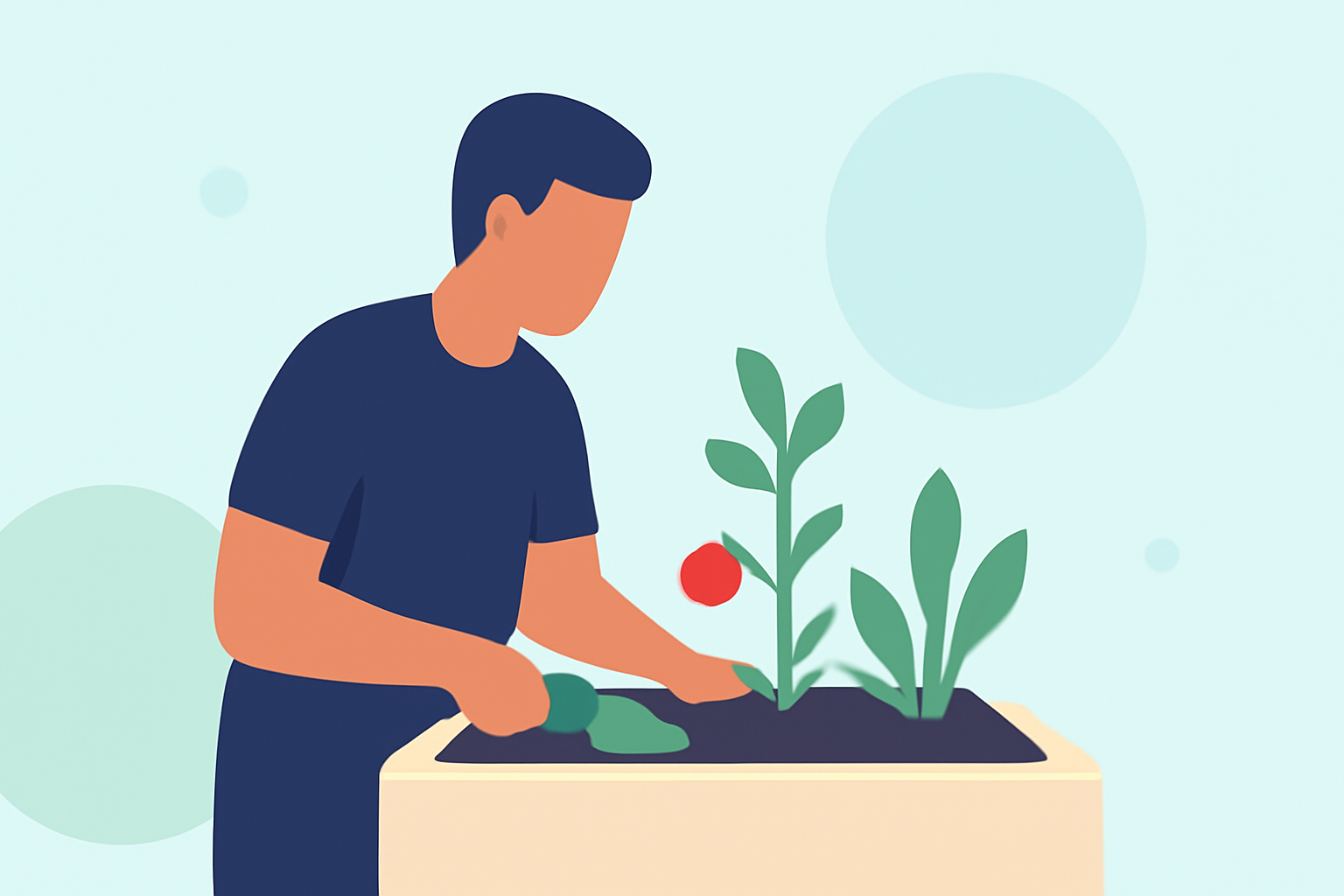
Gardening offers numerous benefits, from providing fresh produce to enhancing mental well-being. However, for commuters with limited time and space, traditional gardening can seem challenging. Fortunately, with the right approach, it's possible to enjoy gardening even with a hectic lifestyle.
1. What Are the Best Gardening Options for Commuters?
Commuters can opt for container gardening, which allows for flexibility and mobility. Utilizing containers such as pots, grow bags, or even repurposed items like milk jugs enables you to grow a variety of plants on balconies, patios, or windowsills. This method is particularly suitable for vegetables like tomatoes, peppers, lettuce, and herbs. (extension.oregonstate.edu)
2. How Can I Maximize Limited Space for Gardening?
Vertical gardening is an effective strategy for small spaces. By using trellises, wall pockets, or hanging baskets, you can grow climbing plants like beans, peas, and cucumbers upwards, saving valuable ground space. Additionally, selecting dwarf or miniature plant varieties can be beneficial. For instance, 'Thumbelina' carrots are well-suited for container gardening. (extension.oregonstate.edu)
3. What Are the Key Considerations for Successful Container Gardening?
-
Sunlight: Ensure your plants receive adequate sunlight. Most vegetables require at least six hours of direct sun daily. If your space offers less, opt for shade-tolerant plants like leafy greens. (boston.com)
-
Soil: Use high-quality potting soil designed for containers. Avoid garden soil, which can be too heavy and may retain too much moisture. (extension.oregonstate.edu)
-
Watering: Regular watering is essential, as container plants dry out faster than those in the ground. Water when the top inch of soil feels dry, ensuring thorough saturation. (extension.oregonstate.edu)
4. How Can I Incorporate Gardening into a Busy Schedule?
-
Community Gardens: Joining a local community garden can provide access to gardening spaces without the need for personal land. Many community gardens offer flexible hours, allowing you to tend to your plants during weekends or evenings. (farmstandapp.com)
-
Low-Maintenance Plants: Choose plants that require minimal care. Herbs like basil, mint, and thyme are hardy and can thrive with minimal attention. Additionally, growing microgreens or sprouts can provide quick harvests with little effort. (hellosproutwell.com)
5. How Can I Ensure My Gardening Efforts Are Sustainable?
-
Composting: Utilize kitchen scraps to create compost, enriching your soil and reducing waste. This practice not only benefits your plants but also contributes to environmental sustainability.
-
Rainwater Harvesting: Collecting rainwater for your plants conserves potable water and provides plants with natural, chemical-free hydration.
By implementing these strategies, commuters can successfully integrate gardening into their routines, enjoying the rewards of homegrown produce without the constraints of time and space.
Highlights:
- Balcony Gardening: 10 Tips for Growing Plants in Apartments and Rooftops | The Old Farmer's Almanac, Published on Sunday, May 10
- Nine tips on how to create the quintessential NYC balcony garden, Published on Monday, March 30
- How to Make a Garden on Your Deck or Patio - Burpee, Published on Tuesday, May 18