
Optimizing Your Gardening Workflow During Pollen Season
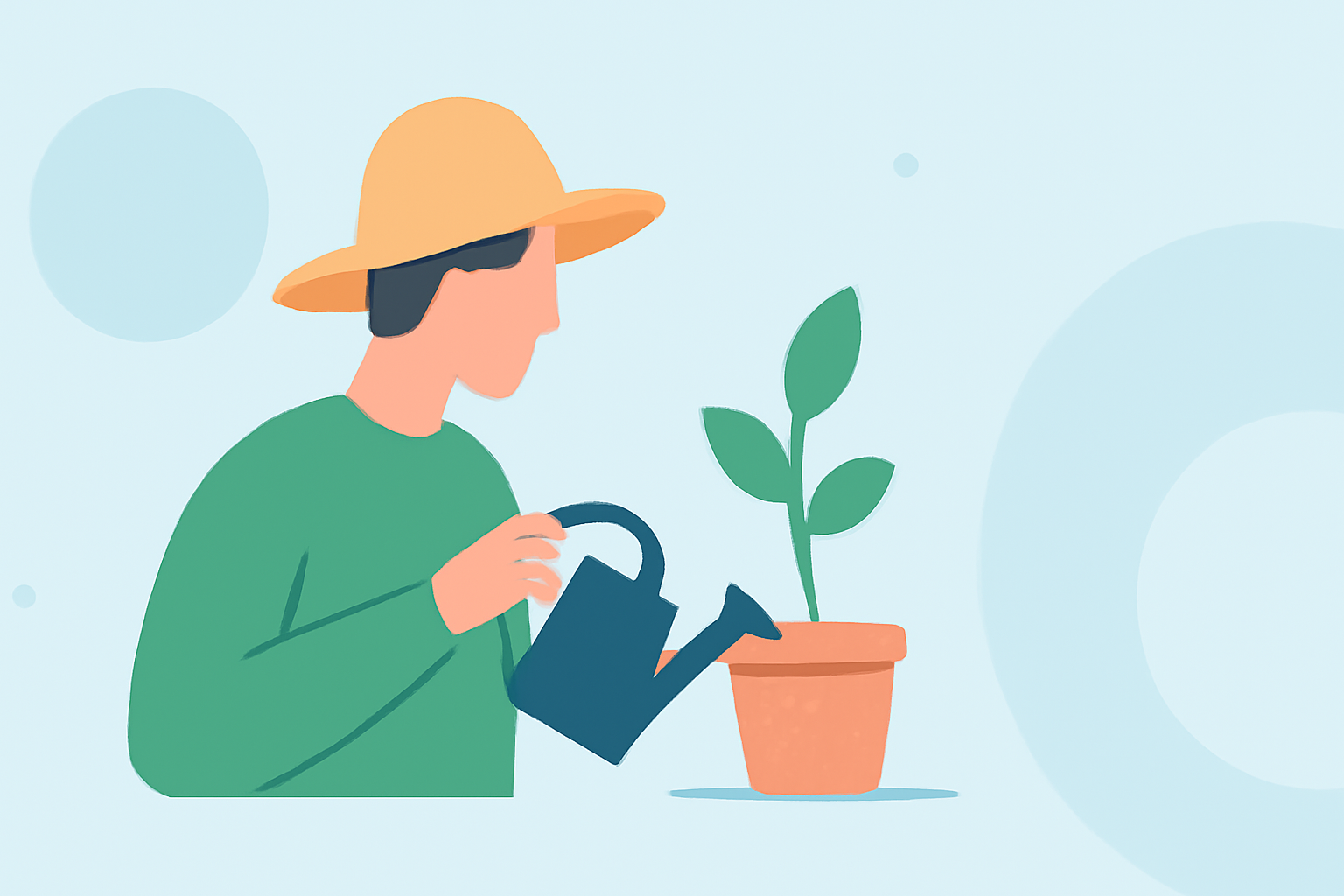
Gardening during pollen season can be challenging for those sensitive to allergens. By understanding pollen patterns and implementing strategic practices, you can enjoy your gardening activities while minimizing discomfort.
Understanding Pollen Seasons
Pollen seasons vary across the United States, typically following this pattern:
-
Spring (Late Winter to Early Summer): Tree pollen dominates, with peak levels in late spring and early summer.
-
Summer (Late Spring to Early Summer): Grass pollen becomes prevalent, especially on warm, windy days.
-
Fall (Late Summer to Autumn): Weed pollen, such as ragweed, peaks, often between 10 a.m. and 3 p.m.
These patterns can vary based on local flora and climate conditions. (health.clevelandclinic.org)
Timing Your Gardening Activities
To reduce exposure to high pollen levels:
-
Early Morning and Evening: Pollen counts are generally lower during these times, making them ideal for gardening.
-
After Rain: Rain can wash pollen from the air, providing temporary relief. Gardening after a rainstorm can be beneficial. (scienceinsights.org)
Selecting Low-Allergen Plants
Choosing plants that produce less pollen can help create a more comfortable gardening environment:
-
Insect-Pollinated Plants: Opt for plants with showy or brightly colored flowers, as they are typically pollinated by insects and produce less airborne pollen. Examples include roses, tulips, and hydrangeas. (almanac.com)
-
Avoid Wind-Pollinated Species: Steer clear of plants like ragweed and ornamental grasses, which release large amounts of pollen into the air. (homesandgardens.com)
Protective Measures
Implementing protective strategies can further reduce allergen exposure:
-
Wear Protective Gear: Use masks, hats, and sunglasses to shield yourself from pollen. (lowes.com)
-
Change and Shower After Gardening: Pollen can cling to clothing and hair; changing clothes and showering promptly can prevent bringing allergens indoors. (montrose-landscapes.com)
-
Keep Windows Closed: During high pollen periods, keep windows closed to prevent pollen from entering your home. (atlanta.com)
Utilizing Technology for Pollen Monitoring
Staying informed about local pollen levels can help you plan your gardening activities:
-
Pollen Forecasts: Regularly check pollen forecasts to identify days with lower pollen counts.
-
Weather Apps: Use weather applications that provide pollen information to plan your gardening schedule effectively.
Conclusion
By understanding pollen patterns, timing your gardening activities appropriately, selecting low-allergen plants, and implementing protective measures, you can enjoy gardening during pollen season with minimal discomfort. Staying informed and proactive is key to maintaining a healthy and enjoyable gardening experience.
(health.clevelandclinic.org)