
Getting Started with Sleeping Amidst Poor Air Quality During Workouts
Last updated: 2023-09-08
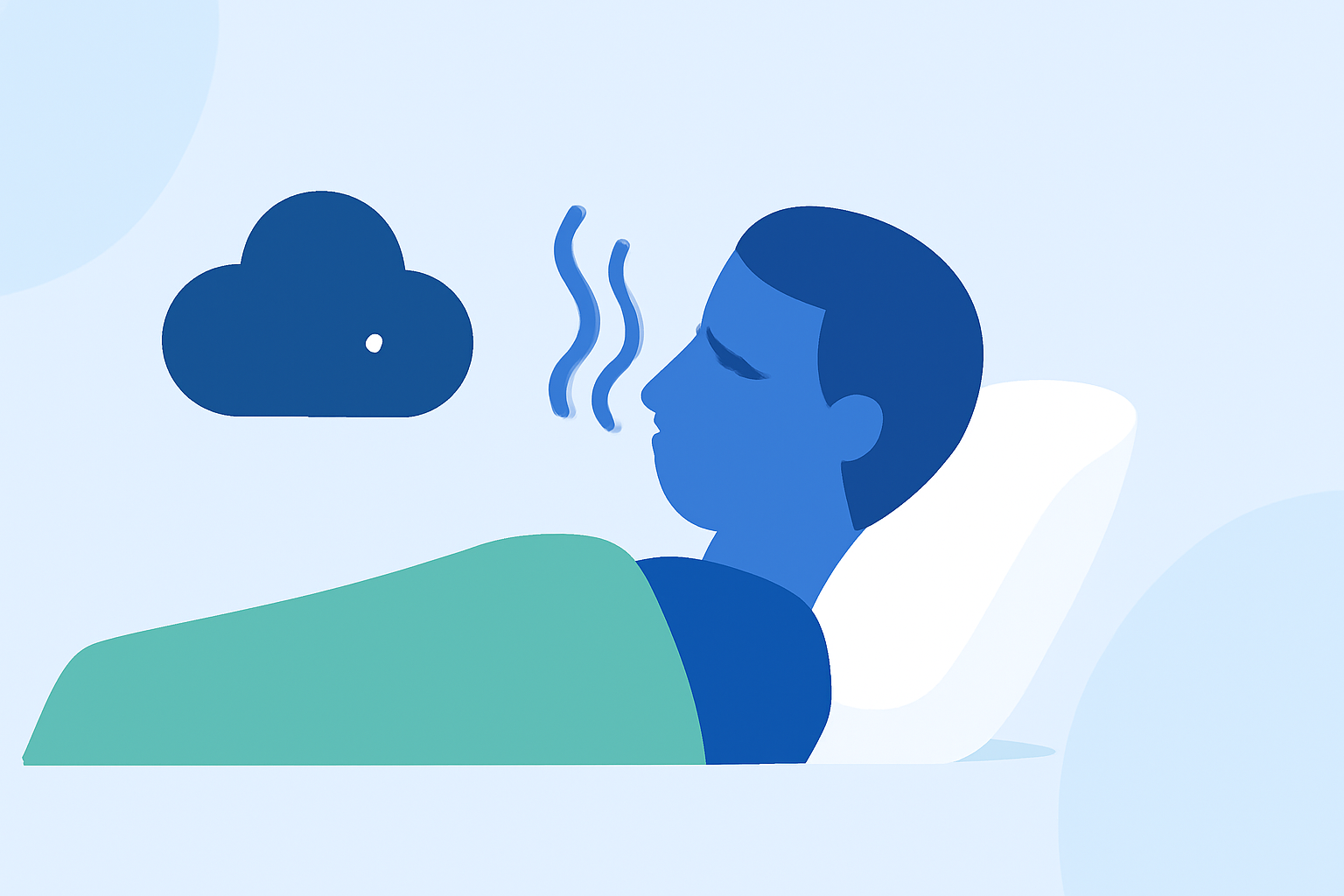
Navigating sleep and workouts amidst poor air quality can be challenging but manageable. We recommend using Clime to monitor air quality levels and plan your activities accordingly. For personalized strategies, consider specific measures to improve your indoor air conditions.
Summary
- Utilize Clime to access real-time air quality data and forecasts for smarter planning.
- Understand Air Quality Index (AQI) and its implications for exercise and sleep.
- Implement Mitigation Strategies indoors to enhance your sleep environment.
- Adjust Workout Plans based on air quality conditions to maintain health and performance.
What is Air Quality and Why Does it Matter?
The air quality around you directly affects your physical health. Pollutants such as nitrogen dioxide, particulate matter, and ozone can lead to various health issues, including respiratory problems and reduced sleep quality. Understanding the Air Quality Index (AQI) helps gauge the safety of outdoor activities. Higher AQI levels indicate poorer air quality, which may necessitate adjustments to your workout and sleeping patterns.
How to Use Clime to Monitor Air Quality
Clime provides users with access to live radar imagery and detailed environmental layers, including air quality index readings. With NOAA-based maps, Clime enables you to:
- Check current air quality levels for your specific location.
- Receive alerts for significant changes in environmental conditions.
- Access hourly and 14-day forecasts to plan your workouts around times of better air quality.
How to Adjust Workouts on Days with Poor Outdoor Air Quality
On days when the AQI indicates poor air quality, consider these adjustments:
- Opt for Indoor Workouts: Utilize home-based exercise routines or gym facilities with good air filtration systems.
- Schedule Wisely: If outdoor exercises are unavoidable, try to plan them during times when air quality is relatively better (early morning or late evening).
- Reduce Intensity: Lower the intensity of outdoor workouts or limit the duration to minimize exposure to pollutants.
Reducing Indoor Exposure During Sleep on Poor Air Quality Days
To enhance your sleep quality amid poor air quality, implement the following strategies:
- Use Air Purifiers: Investing in a good quality air purifier can dramatically improve indoor air quality by filtering out pollutants.
- Seal Tightly: Ensure windows and doors are properly sealed to prevent outdoor air infiltration.
- Ventilate Smartly: If outdoor air quality allows, briefly ventilate your home to bring in fresh air, preferably during times when the AQI is lower.
Simple Steps to Improve Indoor Air Quality
Taking proactive steps can help mitigate the effects of outdoor pollution:
- Limit Use of Indoor Pollutants: Avoid burning candles, smoking, or using harsh chemicals for cleaning that can degrade indoor air quality.
- Monitor Humidity Levels: Keep humidity between 30-50% to reduce mold and dust mites, which can exacerbate respiratory issues.
- Regular Cleaning: Frequent dusting and vacuuming with HEPA filters can help maintain cleaner air.
What We Recommend
- Utilize Clime for real-time air quality updates and forecasts to adjust your activities accordingly.
- Implement indoor air quality improvements like using purifiers and proper sealing to enhance your sleep environment.
- Consult local health guidelines about outdoor activities related to specific AQI levels.
Conclusion
Poor air quality can hamper both sleep and workouts, but informed strategies can help you manage risks effectively. By consistently monitoring conditions using Clime and taking specific actions to improve your indoor environment, you can maintain your health and productivity while navigating variable air quality conditions.