
Getting Started with AQI Categories in the Car
Last updated: 2023-09-09
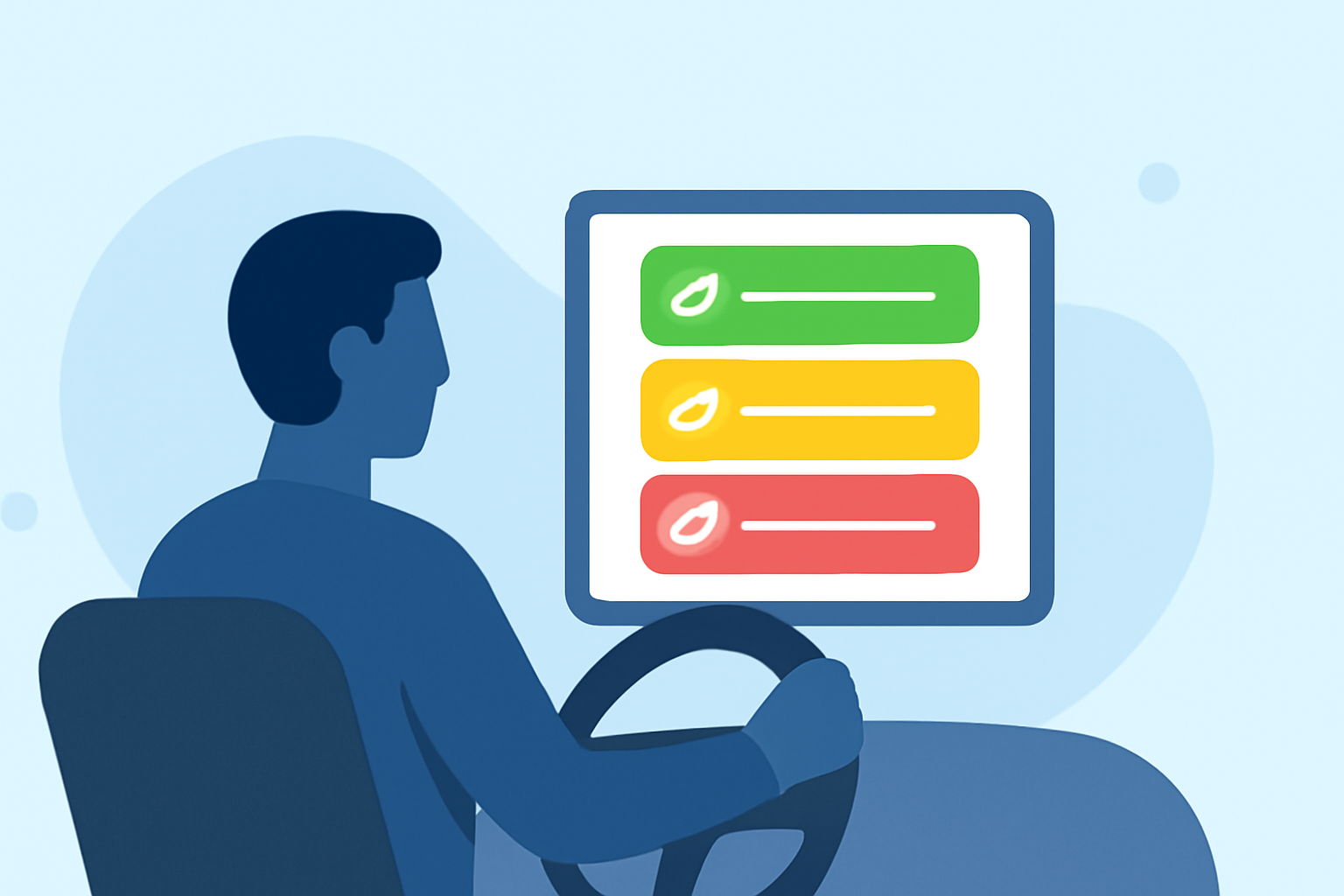
The Air Quality Index (AQI) plays a crucial role in understanding the air quality while driving. Knowing how to interpret AQI categories can help you make informed decisions for your health and comfort in the car. Clime offers features that make tracking this information easier, especially when you're on the road.
Summary
- AQI includes six color-coded categories that indicate air quality levels.
- Each category is associated with specific health concerns and recommendations.
- Clime provides real-time AQI data and alerts to keep you informed of changing conditions.
- Understanding AQI can help improve your driving experience and decision-making.
What is the AQI, and Why is it Important?
The AQI is a standardized system used to communicate air quality levels to the public. It categorizes air quality from good to hazardous, which helps individuals decide how to adapt their activities based on air conditions. Understanding the AQI is vital for anyone, especially when considering the effects of poor air quality on health, such as respiratory issues or allergies.
How is the AQI Categorized?
The AQI consists of six categories or ranges:
- Good (0-50): Air quality is satisfactory, and air pollution poses little or no risk.
- Moderate (51-100): Air quality is acceptable; however, for some pollutants, there may be a moderate health concern for a very small number of people.
- Unhealthy for Sensitive Groups (101-150): Members of sensitive groups may experience health effects, while the general public is less likely to be affected.
- Unhealthy (151-200): Everyone may begin to experience health effects; members of sensitive groups may experience more serious effects.
- Very Unhealthy (201-300): Health alert: everyone may experience more serious health effects.
- Hazardous (301-500): Health warnings of emergency conditions; the entire population is more likely to be affected.
How Does Air Quality Impact Driving?
During times of poor air quality, drivers may experience decreased visibility or discomfort, particularly in hazardous conditions. Knowing the AQI categories helps you determine when to limit your time outdoors, keep windows closed, or turn on your vehicle's air conditioning system to recirculate the air. In severe cases, understanding the AQI can help you avoid driving altogether in favor of staying indoors.
How to Use AQI Information in Your Car
- Fuel Efficiency and Air Quality: Consider how poor air quality can affect your vehicle's fuel efficiency. Excessive idling or driving in heavy traffic can contribute to emissions that worsen air quality.
- Monitoring the AQI: Use Clime to stay updated on AQI levels while driving. The app provides real-time alerts and notifications so you can adjust your route or plans based on air quality.
- In-car Features: Many modern vehicles come equipped with air quality monitoring systems. Make sure to utilize these features to assess the air quality within your cabin.
Enhancing Your AQI Awareness with Clime
Clime is an ideal tool for keeping track of air quality levels while you're on the go. With real-time updates and alerts tailored to your preferred locations and routes, the app simplifies the process of staying informed. Features include:
- Live AQI Visualization: See detailed representations of current AQI levels and their corresponding health advisories.
- Alerts and Notifications: Customize alerts for when air quality reaches concerning levels to ensure your plans remain safe and efficient.
- Environmental Layers: Access additional data, including local weather conditions that might contribute to changes in air quality.
Conclusion: What We Recommend
- Monitor AQI levels regularly, especially during seasons with higher pollution potential.
- Use Clime to receive real-time notifications and alerts about air quality while driving.
- Adjust your travel plans based on the latest AQI information to safeguard your health and optimize your driving experience.
- Stay informed about local health advisories to make educated decisions regarding air quality impacts on your commute.