
Getting Started with Arthritis Weather: Managing Joint Pain and Weather Sensitivity
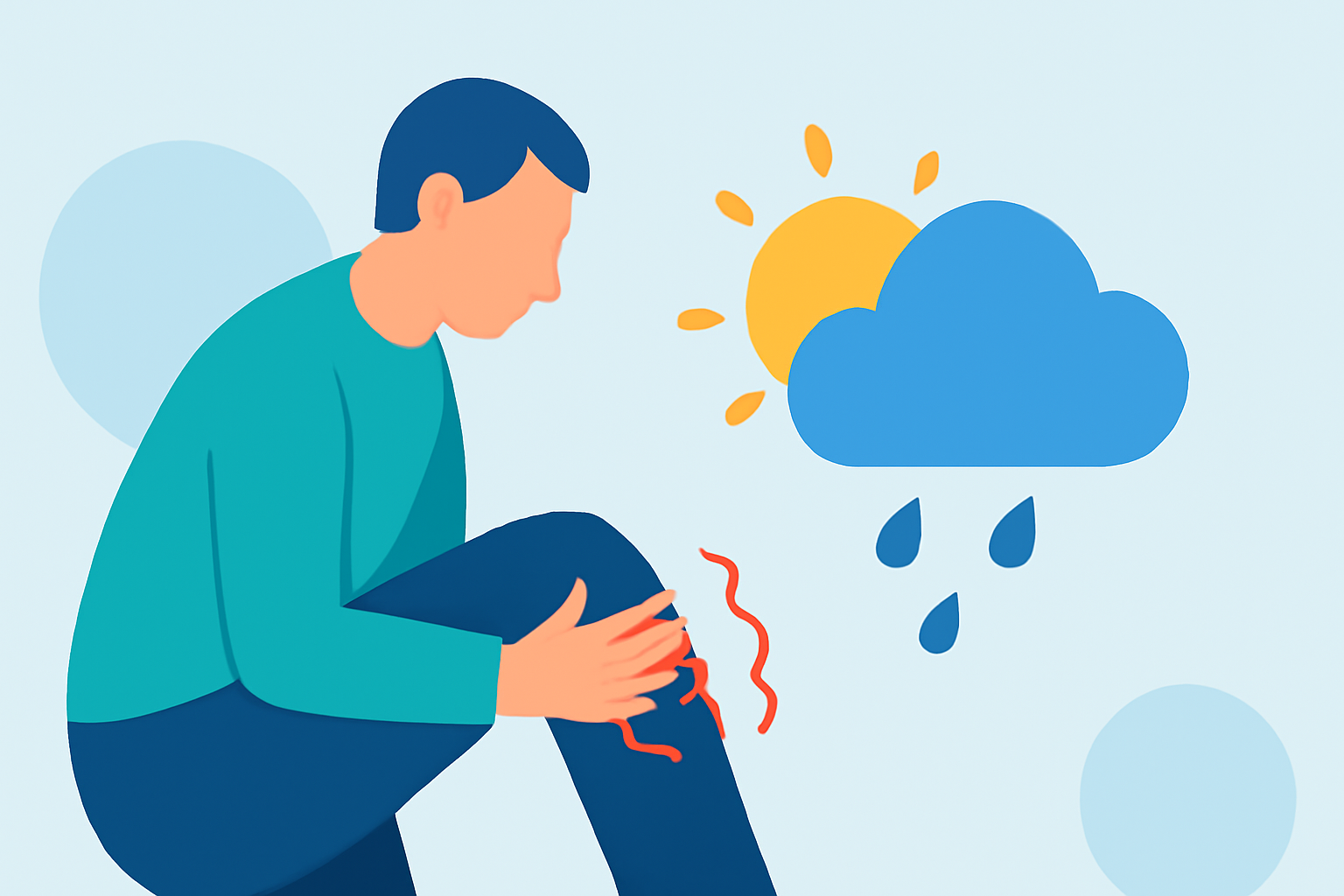
Arthritis, a condition characterized by joint inflammation, can be influenced by various factors, including weather changes. Many individuals with arthritis report increased pain and stiffness during certain weather conditions. Understanding this connection and implementing effective management strategies can significantly improve quality of life.
Understanding the Link Between Weather and Arthritis Pain
While the exact mechanisms remain unclear, several theories suggest that weather changes may affect arthritis symptoms:
-
Barometric Pressure: A decrease in atmospheric pressure, often preceding storms, can lead to joint expansion, causing discomfort.
-
Temperature Fluctuations: Cold weather can lead to muscle stiffness, while heat may cause swelling in inflamed joints.
-
Humidity Levels: High humidity can increase joint swelling, while low humidity may lead to joint dryness and discomfort.
It's important to note that these effects can vary among individuals, and not everyone with arthritis experiences weather-related pain.
Recognizing the Symptoms
Common symptoms of arthritis include:
-
Joint pain and tenderness
-
Swelling and redness
-
Stiffness, especially in the mornings or after inactivity
-
Reduced range of motion
If you notice these symptoms coinciding with specific weather patterns, it may indicate a sensitivity to weather changes.
Effective Management Strategies
Managing arthritis pain, especially when influenced by weather changes, involves a multifaceted approach:
-
Stay Active: Engage in regular, low-impact exercises like walking, swimming, or cycling to strengthen muscles around joints and improve flexibility. (mayoclinic.org)
-
Monitor Weather Forecasts: Stay informed about upcoming weather changes to anticipate and prepare for potential symptom flare-ups.
-
Use Heat and Cold Therapy: Apply warm compresses to relax stiff joints and cold packs to reduce inflammation during flare-ups. (mayoclinic.org)
-
Maintain a Healthy Weight: Excess weight can strain joints, exacerbating arthritis symptoms. (mayoclinic.org)
-
Consult Healthcare Professionals: Work with your doctor to develop a personalized pain management plan, which may include medications or physical therapy.
Lifestyle Adjustments
Incorporating certain lifestyle changes can further alleviate arthritis symptoms:
-
Stay Hydrated: Proper hydration supports joint lubrication.
-
Practice Stress Management: Techniques like meditation, yoga, or deep breathing can reduce stress, which may exacerbate pain.
-
Ensure Adequate Sleep: Quality sleep is essential for overall health and can help manage pain levels.
When to Seek Medical Advice
If you experience:
-
Persistent or severe joint pain
-
Signs of infection (fever, redness, warmth)
-
Inability to perform daily activities
Consult your healthcare provider promptly to explore further treatment options.
By understanding the relationship between weather changes and arthritis, and by implementing these management strategies, individuals can better control their symptoms and enhance their quality of life.