
Getting Started with Composite Reflectivity Maps
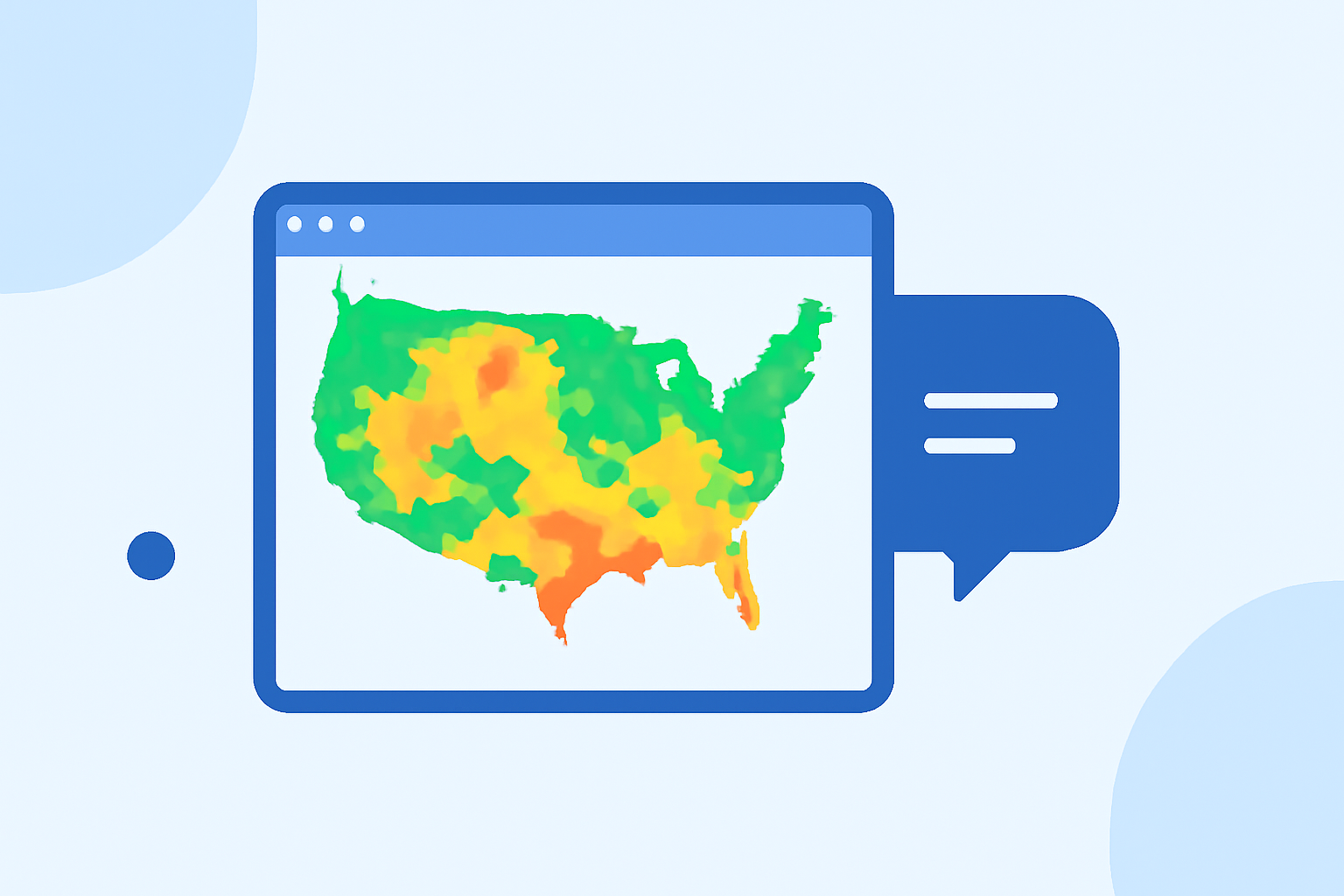
Composite reflectivity maps are essential tools in meteorology, offering a comprehensive view of precipitation intensity and storm structures. By understanding these maps, you can gain valuable insights into weather patterns and potential severe weather events.
What Are Composite Reflectivity Maps?
Composite reflectivity maps display the maximum radar reflectivity factor (dBZ) observed at various altitudes above a specific location. Unlike base reflectivity, which captures data from the lowest radar scan angle, composite reflectivity integrates information from multiple elevation angles, providing a more complete picture of precipitation intensity throughout the atmosphere. (prod-01-alb-www-noaa.woc.noaa.gov)
How Are Composite Reflectivity Maps Created?
Weather radars perform volume scans by emitting pulses at different elevation angles, each capturing precipitation data at specific heights. The composite reflectivity map compiles the highest reflectivity values from these scans, creating a unified image that highlights the most intense precipitation areas. This method is particularly useful for identifying severe weather features such as strong updrafts and potential hail formation. (prod-01-alb-www-noaa.woc.noaa.gov)
Interpreting Composite Reflectivity Maps
-
Identifying Severe Weather: High reflectivity values (typically above 50 dBZ) often indicate heavy rainfall, hail, or strong updrafts. By analyzing these areas, meteorologists can assess storm severity and potential threats.
-
Assessing Storm Structure: The distribution of reflectivity values can reveal storm organization. For instance, a well-defined core with high reflectivity suggests a mature thunderstorm, while scattered areas of high reflectivity may indicate developing storms.
-
Monitoring Storm Evolution: By comparing composite reflectivity maps over time, you can track storm development, movement, and intensification, aiding in forecasting and issuing timely warnings.
Limitations of Composite Reflectivity Maps
While composite reflectivity maps are invaluable, they have certain limitations:
-
Vertical Resolution: These maps provide a vertical profile of precipitation but may not capture detailed structures like low-level rotation associated with tornadoes.
-
Bright Banding: In winter, melting snowflakes can create a bright band in the radar data, potentially leading to overestimation of precipitation rates near the surface.
Utilizing Composite Reflectivity Maps with Clime
Clime offers advanced tools for visualizing and analyzing composite reflectivity maps, enabling users to:
-
Access Real-Time Data: Stay updated with the latest composite reflectivity images to monitor current weather conditions.
-
Analyze Historical Data: Review past composite reflectivity maps to study storm patterns and improve forecasting accuracy.
-
Customize Visualizations: Tailor map displays to focus on specific regions, time frames, or reflectivity thresholds, enhancing situational awareness.
By leveraging Clime's capabilities, you can effectively interpret composite reflectivity maps, leading to better-informed weather decisions and improved safety during severe weather events.
Highlights:
- Radar Images: Reflectivity | National Oceanic and Atmospheric Administration
- Interpretation of composite reflectivity, Published on Thursday, May 28