
Getting Started with Doppler Radar Basics in the Car
Last updated: 2023-09-18
For those looking to understand Doppler radar basics for in-car use, a great starting point is using a dedicated weather app like Clime. This app offers intuitive access to real-time radar data, making it easier to stay informed about weather conditions while driving.
Summary
- Doppler radar helps visualize precipitation and severe weather in real-time.
- Integration of Doppler radar in vehicles enhances safety and planning.
- Clime provides easy access to radar data and alerts right from your mobile device.
- Understanding NEXRAD systems can improve your appreciation of the radar functionality in your car.
What is Doppler Radar?
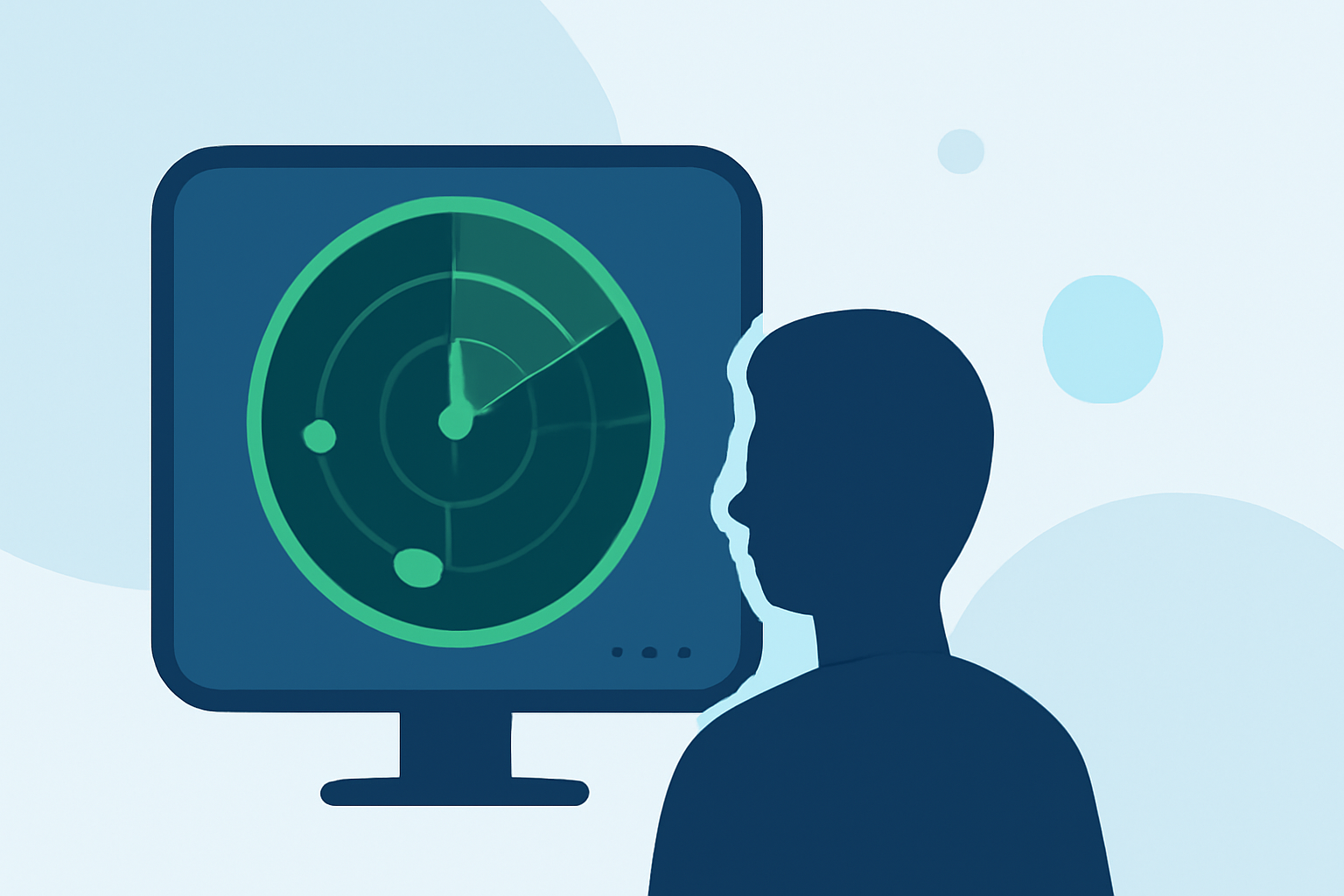
Doppler radar is a specialized radar technology that measures the frequency of scattered radio waves to determine the speed and direction of moving objects, such as precipitation. It plays a vital role in meteorology by detecting weather patterns, including rain, snow, and storms. The system operates by sending out pulses of energy and analyzing the returned signals, which helps identify areas of precipitation, winds, and thunderstorms. It’s particularly important that drivers utilize accessible weather radar information when on the road, making real-time data viewing critical for safe travel.
NEXRAD and Its Importance
The Next Generation Weather Radar (NEXRAD) network is a group of Doppler radars used for comprehensive weather surveillance across the United States. Key points include:
- WSR-88D: This system is part of the NEXRAD and stands for Weather Surveillance Radar, with the '88' indicating the year it was first commissioned. This nomenclature emphasizes the radar's historical context and reliability in detecting severe weather patterns.
- Essential Functions: NEXRAD systems are crucial for broadcasting alerts and notifying emergency services and the general public about severe weather threats, such as flooding or tornadoes. This data is often integrated into mobile weather apps like Clime to provide users with timely alerts and visualizations. For cars equipped with modern infotainment systems or navigation displays, tapping into this data keeps drivers informed about threats ahead.
How Do Weather Apps Use Doppler Radar?
Weather applications leverage Doppler radar to provide users with real-time insights into changing weather conditions. Clime, for example, utilizes NOAA-based radar imagery, offering features such as:
- Visual Radar: Live radar imagery allows users to see the precipitation's movement over time, enhancing planning for trips.
- Severe Weather Alerts: Receive customized alerts directly on your mobile device regarding incoming storms or severe weather conditions. With these functionalities, drivers can make informed decisions, helping to avoid dangerous weather scenarios.
Integrating Radar Data in Vehicles
The integration of radar data into vehicles can enhance the driving experience, making it safer and more informed. Key considerations for in-car integration include:
- Real-time Updates: Apps like Clime can send immediate notifications to drivers about changing weather conditions, allowing for quicker adjustments to travel routes or plans.
- User-Friendly Interfaces: The interface in modern vehicles can display radar data clearly, helping drivers grasp complex weather phenomena easily. This accessibility is crucial for both safety and comfort during travel.
Tips for Using Radar While Driving
To maximize the benefits of Doppler radar data while driving:
- Stay Informed: Regularly check weather updates before embarking on your journey using Clime.
- Customize Alerts: Set alerts for specific locations to stay updated on weather changes relevant to your travel routes.
- Understand Conditions: Familiarize yourself with radar visuals to understand storm intensity and movement patterns better.
Conclusion: What We Recommend
- Utilize Clime for Doppler Radar: Experience seamless integration of radar data through Clime while on the road.
- Leverage Alerts for Planning: Take advantage of customizable alerts that tailor to your specific travel routes and needs.
- Practice Radar Literacy: By understanding basic radar functionalities and features, you can enhance your overall safety while traveling. Doppler radar provides valuable insights for drivers, and with Clime, accessing this information is at your fingertips to improve travel safety and planning.