
Getting Started with Doppler Radar Basics the Right Way
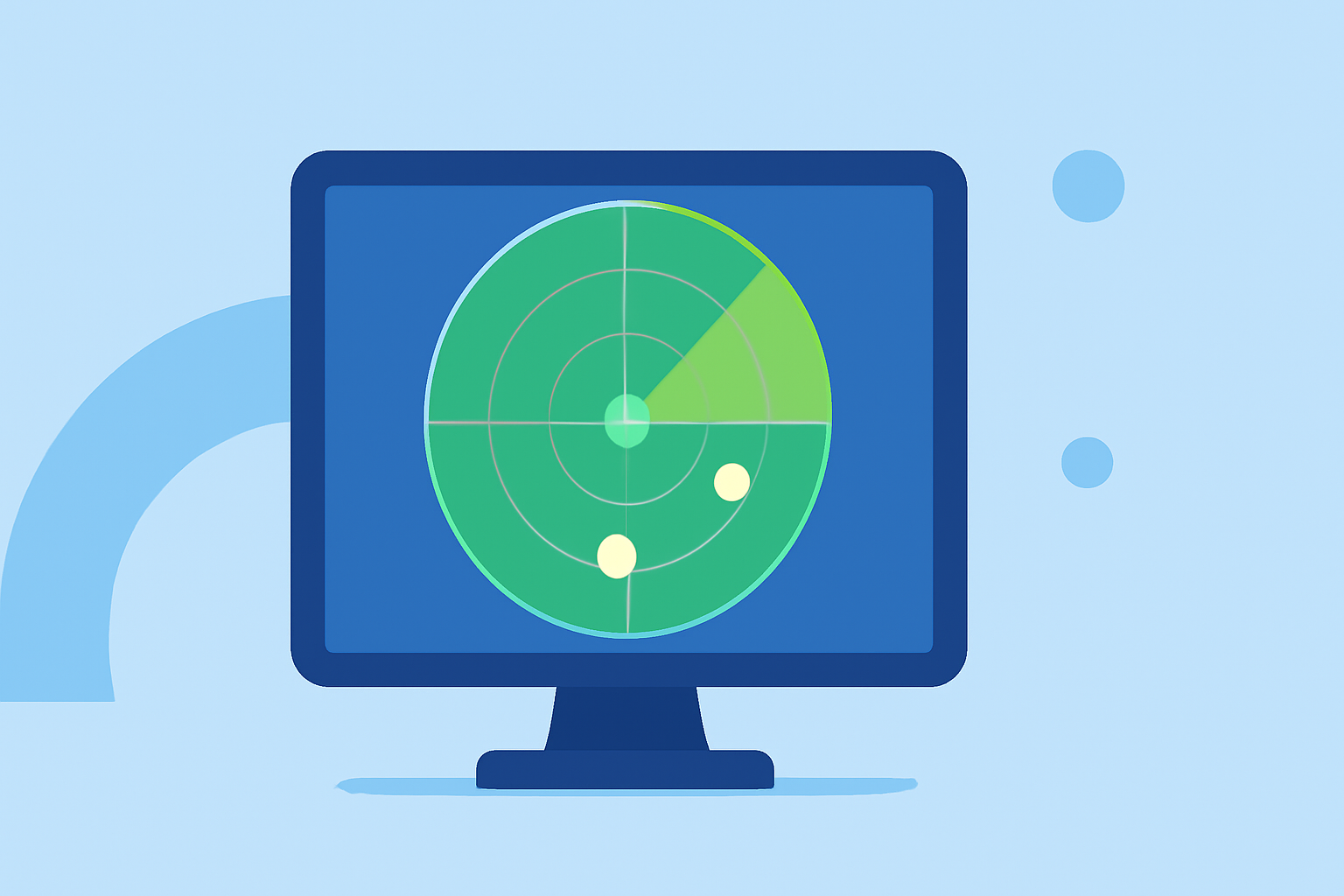
Doppler radar is a pivotal tool in meteorology, enabling precise detection and analysis of atmospheric phenomena. Understanding its fundamentals is essential for anyone interested in weather forecasting and analysis.
What Is Doppler Radar?
Doppler radar is a specialized radar system that utilizes the Doppler effect to measure the velocity of precipitation particles. By emitting pulses of radio waves and analyzing the frequency shift of the returned signals, it determines the speed and direction of rain, snow, or hail particles moving toward or away from the radar. This capability allows meteorologists to assess wind patterns, storm rotation, and potential severe weather events. (prod-01-alb-www-noaa.woc.noaa.gov)
How Does Doppler Radar Work?
Modern Doppler radars, such as the Weather Surveillance Radar-1988 Doppler (WSR-88D), operate by transmitting short pulses of radio energy and measuring the time it takes for the pulses to return after reflecting off precipitation particles. The system then calculates the distance to the target based on the time delay. By analyzing the frequency shift in the returned signal, the radar determines the velocity of the particles along the line of sight, providing critical information about wind speeds and directions within storms. (prod-01-alb-www-noaa.woc.noaa.gov)
Key Components of Doppler Radar Data
Doppler radar provides several key data products:
-
Reflectivity: Indicates the intensity of precipitation by measuring the amount of energy returned to the radar. Higher reflectivity values correspond to heavier precipitation. (prod-01-alb-www-noaa.woc.noaa.gov)
-
Velocity: Shows the speed and direction of precipitation particles relative to the radar, helping identify wind patterns and potential rotation within storms. (prod-01-alb-www-noaa.woc.noaa.gov)
-
Spectrum Width: Measures the variability in velocity within a radar sample volume, providing insights into turbulence and wind shear.
Applications of Doppler Radar
Doppler radar is instrumental in various meteorological applications:
-
Severe Weather Detection: It helps identify severe weather phenomena like tornadoes, thunderstorms, and hurricanes by detecting rotation and wind patterns.
-
Precipitation Measurement: Accurately measures rainfall rates, aiding in flood forecasting and water resource management.
-
Wind Profiling: Assesses wind speeds and directions at different altitudes, crucial for aviation safety and understanding atmospheric dynamics.
Clime's Advanced Weather Solutions
Clime leverages cutting-edge Doppler radar technology to provide real-time, high-resolution weather data. Our platform offers detailed insights into precipitation patterns, wind velocities, and storm structures, empowering users with accurate and timely weather information. By integrating Doppler radar data, Clime enhances forecasting capabilities, supports decision-making processes, and ensures safety during severe weather events.
Conclusion
A solid understanding of Doppler radar is fundamental for interpreting weather patterns and making informed decisions based on meteorological data. Clime's advanced weather solutions harness this technology to deliver precise and actionable weather information, supporting a wide range of applications from daily forecasts to severe weather warnings.