
Getting Started with Doppler Shear Maps in the Car
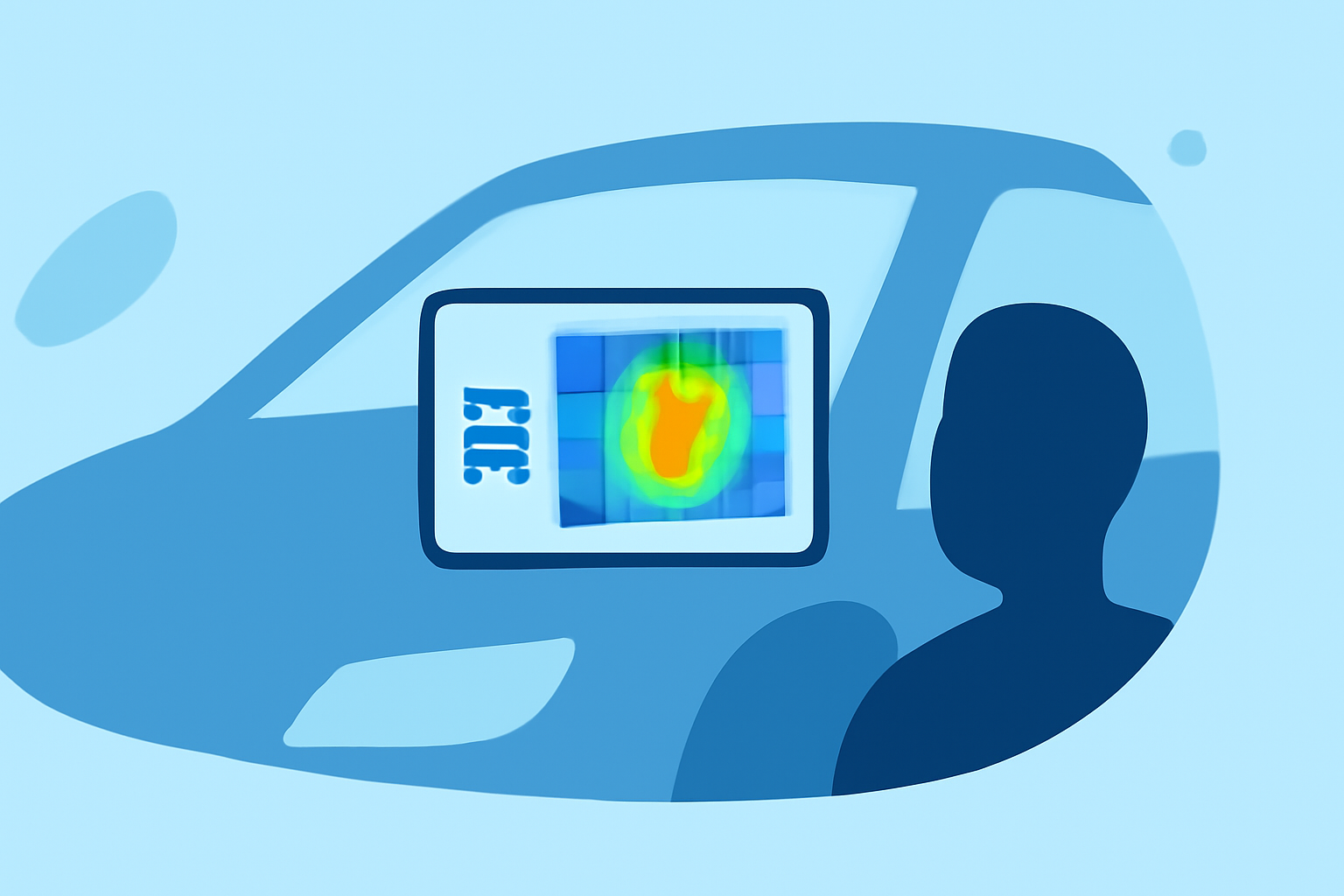
Doppler shear maps are advanced tools that analyze variations in wind speed and direction around a moving vehicle, providing critical insights into aerodynamic forces and potential hazards. Incorporating this technology into your vehicle can significantly enhance safety and performance.
What Are Doppler Shear Maps?
Doppler shear maps utilize Doppler radar technology to measure changes in wind velocity as it interacts with a moving vehicle. By analyzing these variations, the system can detect turbulence, wind shear, and other aerodynamic factors that may affect vehicle stability. This information is crucial for understanding how external conditions impact vehicle dynamics.
How Do Doppler Shear Maps Enhance Vehicle Safety?
Integrating Doppler shear maps into your vehicle's system offers several safety benefits:
-
Real-Time Hazard Detection: By continuously monitoring wind patterns, the system can identify sudden changes that may indicate potential hazards, such as crosswinds or turbulence from nearby vehicles.
-
Adaptive Control Systems: The data from Doppler shear maps can be used to adjust vehicle systems in real-time, such as steering and suspension, to maintain optimal stability.
-
Enhanced Driver Awareness: Providing drivers with real-time feedback on wind conditions can help them make informed decisions, especially in adverse weather scenarios.
How Does Clime Integrate Doppler Shear Maps?
Clime's advanced vehicle technology seamlessly integrates Doppler shear map data to enhance driving safety and performance:
-
Comprehensive Data Analysis: Clime's system processes Doppler shear map data alongside other vehicle sensors to provide a holistic view of driving conditions.
-
Adaptive Response Mechanisms: The system can automatically adjust vehicle dynamics, such as steering and suspension, based on real-time wind data to ensure optimal stability.
-
User-Friendly Interface: Clime offers an intuitive interface that displays real-time wind conditions and system responses, keeping drivers informed without overwhelming them.
Getting Started with Clime's Doppler Shear Map Integration
To begin utilizing Doppler shear maps with Clime's technology:
-
Consult with Clime Experts: Reach out to Clime's support team to discuss your vehicle's compatibility and the integration process.
-
Schedule Installation: Arrange for a certified technician to install the necessary hardware and software components.
-
Familiarize Yourself with the System: Take advantage of Clime's training resources to understand how to interpret Doppler shear map data and utilize system features effectively.
Conclusion
Incorporating Doppler shear maps into your vehicle through Clime's advanced technology offers a significant enhancement to driving safety and performance. By providing real-time insights into wind conditions and vehicle dynamics, Clime empowers drivers to make informed decisions and maintain optimal control in various driving scenarios.
Highlights:
- How Radar Works | HowStuffWorks, Published on Thursday, September 14
- How Doppler Radar Works and How It Detects Storms in Real Time, Published on Saturday, May 02