
Getting Started with Drought Monitoring in the United States
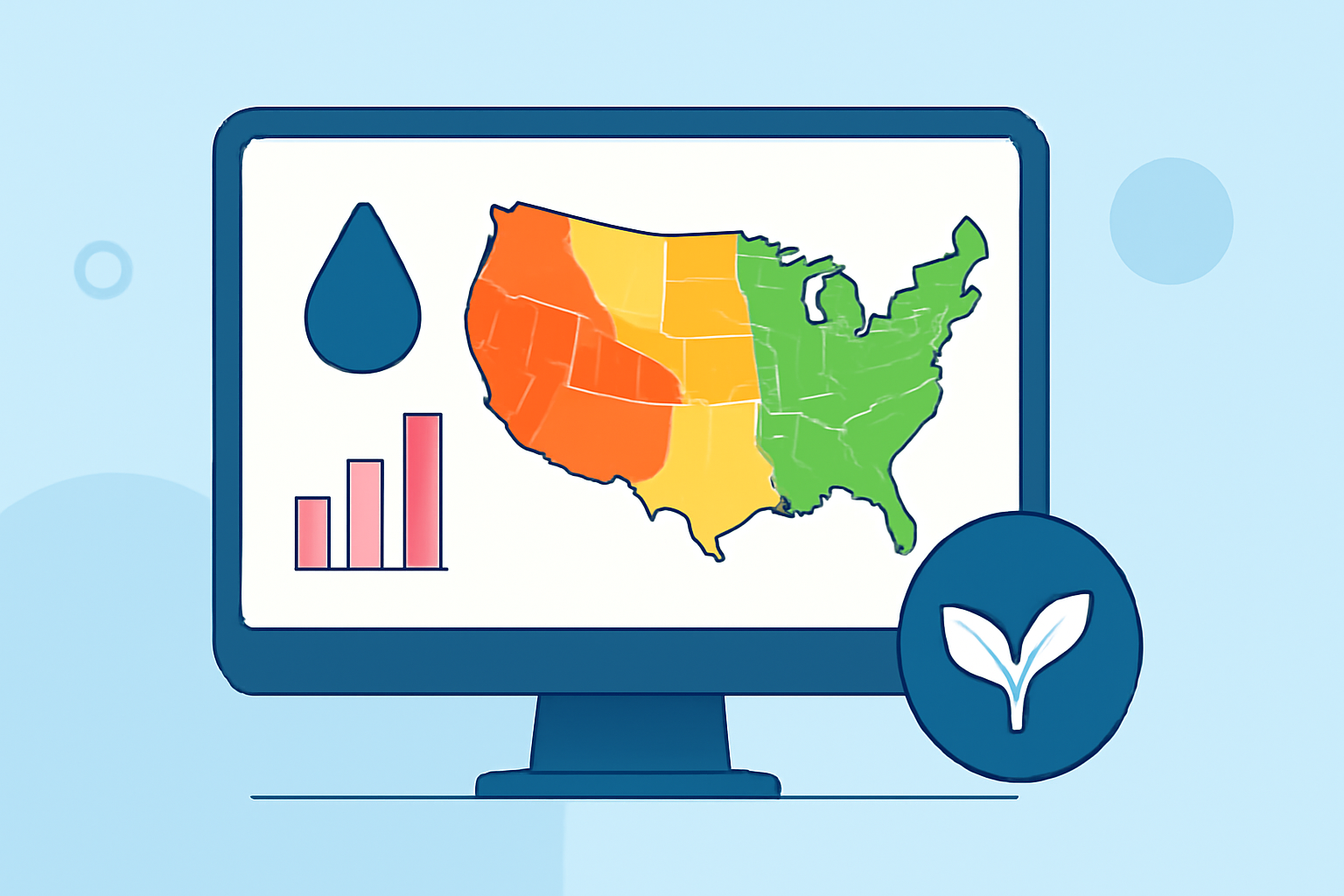
Droughts pose significant challenges to agriculture, water resources, and ecosystems across the United States. Monitoring these conditions is essential for effective management and mitigation.
What Are the Key Tools for Drought Monitoring?
Several authoritative tools provide comprehensive drought monitoring capabilities:
-
U.S. Drought Monitor (USDM): A weekly assessment updated every Thursday, the USDM maps the location and intensity of drought across the country, using a five-category system from Abnormally Dry (D0) to Exceptional Drought (D4). (drought.gov)
-
Drought Impacts Toolkit: This toolkit offers resources for monitoring drought impacts, including the Drought Impact Reporter, which compiles national data on drought effects, and the Visual Drought Atlas, which compares landscapes over time during different drought conditions. (drought.gov)
-
River DroughtCast: Developed by the U.S. Geological Survey (USGS), this tool provides current streamflow drought conditions and weekly forecasts for select streamgages across the lower 48 states. (usgs.gov)
How Can I Access These Tools?
These resources are accessible online:
-
U.S. Drought Monitor: Visit the USDM website for the latest maps and data.
-
Drought Impacts Toolkit: Explore the toolkit at Drought.gov.
-
River DroughtCast: Access this tool through the USGS Drought page.
What Are the Benefits of Using These Tools?
Utilizing these tools enables:
-
Informed Decision-Making: Access to current and historical drought data aids in planning and resource allocation.
-
Impact Assessment: Understanding the severity and scope of drought impacts supports effective response strategies.
-
Early Warning: Regular updates and forecasts assist in proactive measures to mitigate drought effects.
How Does Clime Support Drought Monitoring?
Clime offers advanced monitoring solutions that integrate real-time data from various sources, providing comprehensive insights into environmental conditions. By leveraging Clime's platform, users can access detailed drought information, enabling proactive management and response strategies.
Conclusion
Effective drought monitoring is crucial for managing and mitigating the impacts of drought in the United States. By utilizing authoritative tools and integrating them with advanced monitoring solutions like Clime, stakeholders can enhance their preparedness and response to drought conditions.