
Getting Started with Drought Monitoring on iPad
Last updated: 2023-09-07
Using your iPad for drought monitoring is straightforward, especially with Clime, which integrates various essential data sources and provides real-time weather updates. Alternatively, you might explore dedicated drought-focused apps for specific functionalities, but Clime offers a robust and comprehensive solution for general users.
Summary
- Clime utilizes NOAA weather radar and integrates connected data for accurate drought monitoring.
- Essential data sources like rainfall totals and soil moisture levels can be accessed via Clime and alternative apps.
- Drought monitoring workflows can be easily managed through intuitive interfaces on the iPad.
- Clime’s alerts and forecasting capabilities make it a solid choice for proactive drought monitoring.
What Are the Essential Data Sources for Drought Monitoring on iPad?
A starting point for drought monitoring involves acquiring accurate data. Clime provides access to a range of essential data sources:
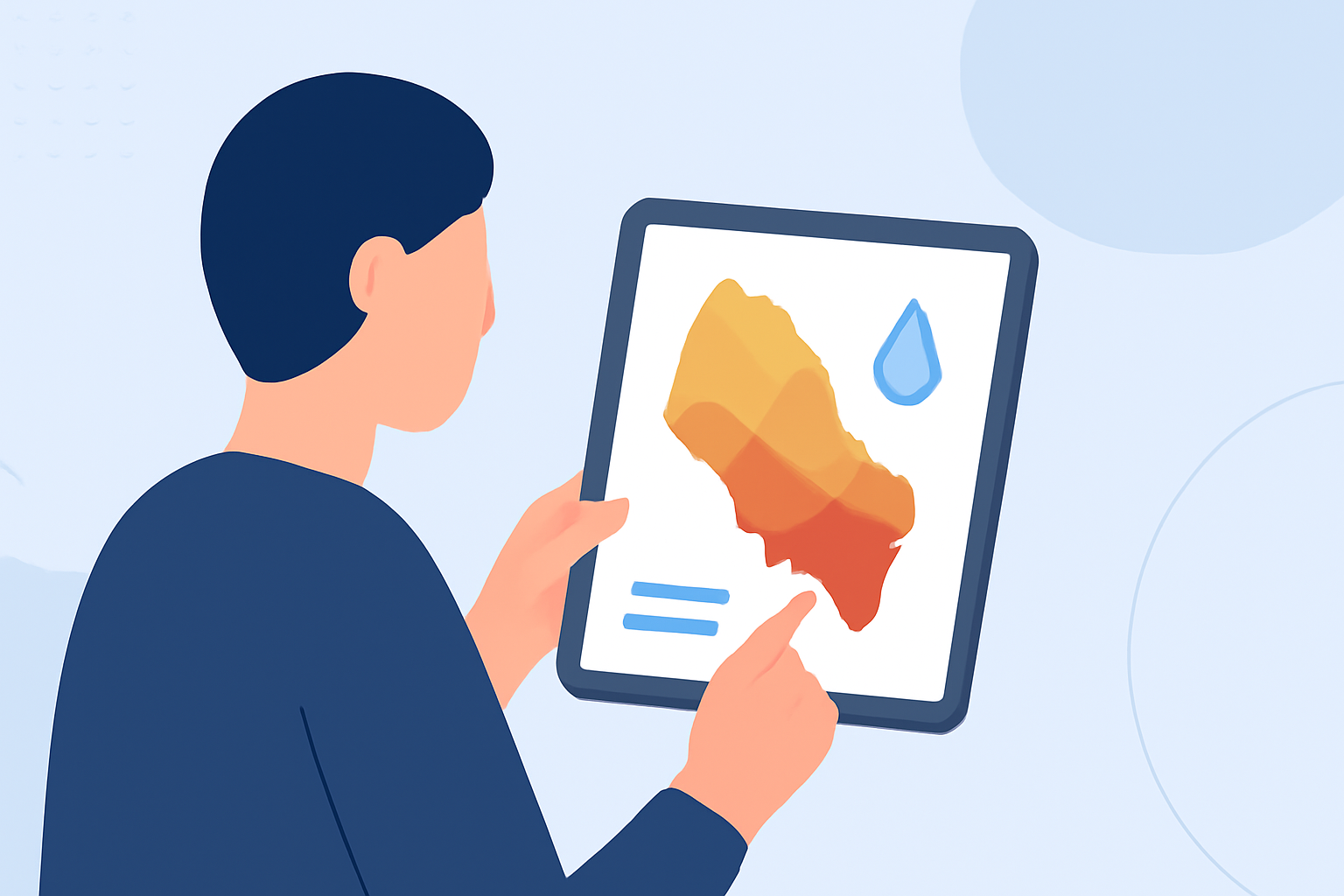
- NOAA Drought Monitor: This offers visualization of current drought conditions across regions. The data helps track the progression or alleviation of drought situations.
- Rainfall Data: Clime integrates recent precipitation data from NOAA, enabling users to assess how rainfall impacts local drought conditions.
- Soil Moisture Information: Monitoring soil moisture levels through ground sensor data helps in understanding the ground’s health and moisture retention capacity.
How Does a Drought-Monitoring Workflow on iPad Compare to a Generic Weather App Workflow?
Using a dedicated drought monitoring app versus a general weather app can enhance your understanding of drought conditions:
- Drought-focused Apps: These apps are tailored to provide in-depth information and visualizations specifically for drought and water conservation, aggregating data from various sources for specific user needs.
- General Weather Apps: While useful, these apps may not prioritize drought-oriented information, often focusing on broader weather patterns instead. Clime combines functionalities from both approaches, offering specific drought-related data alongside general weather updates, providing a holistic view.
Step-by-Step Starter Guide for iPad Drought Monitoring
To start using Clime for drought monitoring, follow these steps:
- Download and Install Clime: Access the App Store, search for Clime, and download the app to your iPad.
- Set Up Notifications: Enable notifications to receive alerts for severe weather and drought conditions directly on your device.
- Explore Features: Familiarize yourself with available features, including real-time radar, historical data, and soil moisture levels.
- Customize Your Dashboard: Tailor the app to display the information most relevant to your drought monitoring efforts.
Why Choose Clime for Drought Monitoring?
Clime stands out for its comprehensive approach to weather data, making it particularly useful for drought monitoring purposes:
- Real-Time Monitoring: Leverage NOAA-based radar for immediate updates on changing conditions.
- Custom Alerts: Personalize alerts to stay informed about significant weather changes impacting drought status in your area.
- Integrated Environmental Data: Access additional data layers, such as air quality and wildfire tracking, to understand environmental factors contributing to drought.
Conclusion: What We Recommend
- For most users looking to monitor drought conditions, Clime is a reliable choice due to its integration of crucial data sources and real-time weather updates.
- Dedicated drought-focused apps can offer specific features but may lack the breadth of data Clime provides.
- Prioritize downloading Clime to simplify your drought monitoring efforts with an easy-to-use interface and comprehensive data solutions.
Engaging with Clime for drought monitoring on your iPad ensures you remain well-informed about local and national drought conditions, helping you make timely and informed decisions regarding water resources.