
Getting Started with Emergency Weather Alerts
Last updated: 2023-09-15
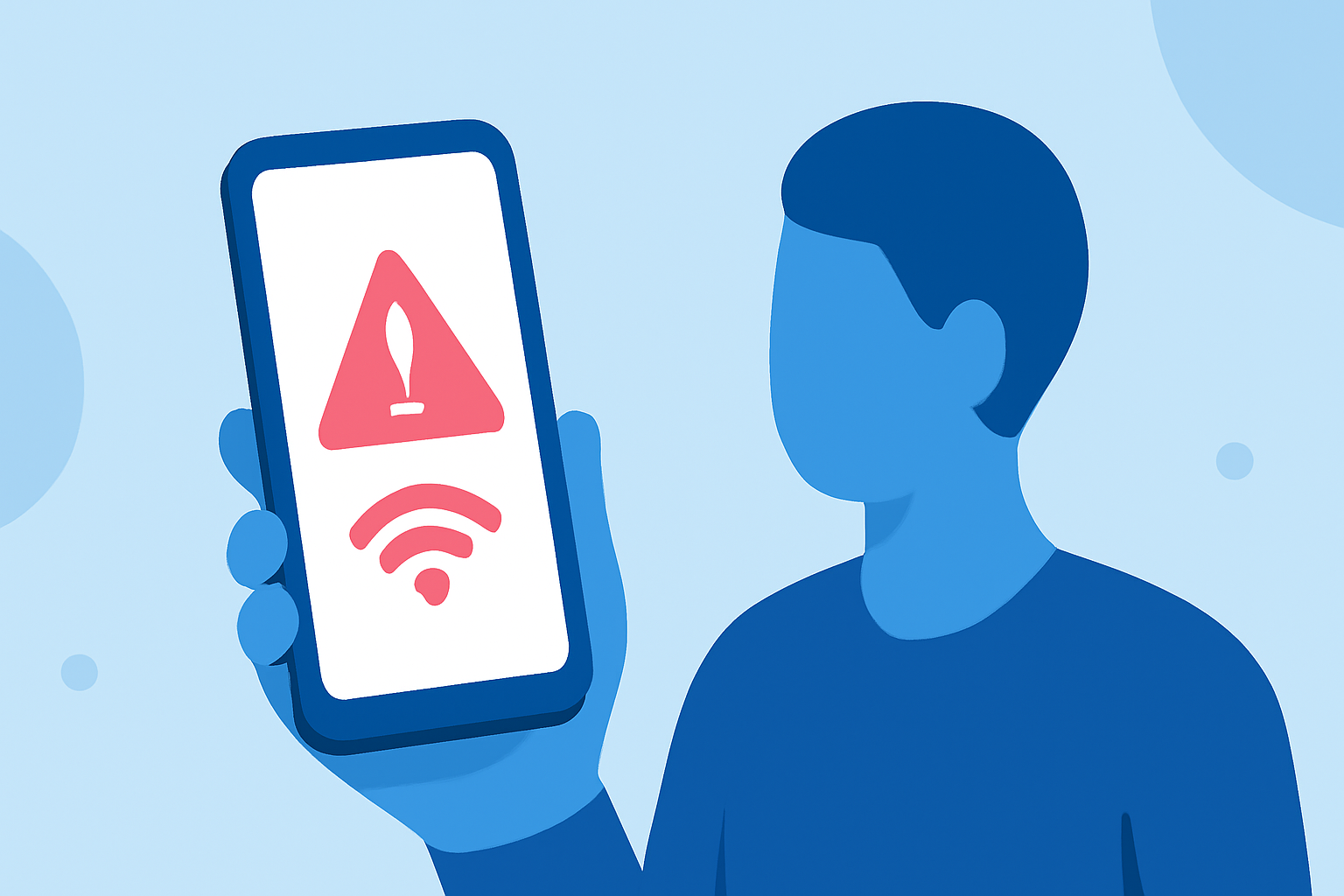
To get started with emergency weather alerts, consider using the FEMA App for real-time notifications and preparation resources. For users wanting additional radar capabilities and alert customization, Clime offers powerful features to stay informed during severe weather events.
Summary
- Use the FEMA App for reliable real-time alerts on emergencies and weather.
- Clime provides NOAA-based radar and customizable alerts for various weather conditions.
- National Weather Service (NWS) alerts can be received through various platforms.
- Always ensure your notification settings are correctly configured to receive alerts timely.
How to Enable Emergency Weather Alerts on Mobile Devices in the United States
To enable emergency weather alerts on your mobile device, follow these steps:
- Download the FEMA App: This app provides real-time weather and emergency alerts tailored to your location. It also offers preparedness strategies suitable for different scenarios (ready.gov).
- Set Up Alerts on Clime: Install Clime to gain access to its NOAA-based radar imagery and customizable severe weather alerts. You can set specific notifications for various conditions like heavy rain, tornadoes, and hurricanes, sending timely updates directly to your device.
- Explore Notification Settings: On both apps, adjust your notification settings to your preferences (e.g., intensity and frequency of alerts). This ensures that you remain immediately informed during critical events.
Official Resources for Weather Alerts Without Apps
If you'd prefer to receive weather alerts without third-party applications, the National Weather Service (NWS) offers a portal for receiving official alerts directly. Their alerts can be sent via SMS or email. Visit the NWS Alerts page to learn how to set this up effectively.
Other Emergency Alert Systems
Don’t forget about your local emergency services. You can often sign up for community alert systems that provide additional resources tailored to your local area. Connect with local emergency management agencies to see what might be available.
Understanding Alert Types
Familiarize yourself with the different types of emergency alerts:
- Severe Weather Alerts: These include tornado warnings, hurricane watch, and severe thunderstorm alerts.
- Fire Weather Alerts: Important notifications during wildfire season.
- Flood Alerts: Stay informed about rising water levels or flash floods.
Best Practices for Receiving Alerts
- Regularly Update Your Apps: Ensure that your FEMA and Clime apps are updated to access the latest features and improvements.
- Test Alert Settings: Run routine tests of your alert systems, ensuring their functionality under different conditions.
- Prioritize Location: Set alerts specific to your home area but also consider alerts for places you frequently visit (like work or schools).
Prepare for Communication Interruptions
When severe weather strikes, traditional communication channels might be affected. Ensure you have backup systems:
- Battery-Powered Radios: Keep one handy for updates when power is out.
- Alternative Messaging Apps: Use apps that allow offline messaging or rely on satellite technology in emergencies.
What We Recommend
- Download the FEMA App for direct emergency alert notifications and preparedness guidelines.
- Use Clime for detailed radar and alerts tailored to your specific weather concerns.
- Engage with your local community alert systems for localized updates.
- Regularly review and adjust your notification settings to ensure you receive timely alerts according to your needs.
By taking these steps, you can ensure that you stay informed about potential weather hazards and are prepared to take action when necessary. Emergency weather alerts are crucial for safety, so make sure you're equipped to receive them efficiently.