
Getting Started with Extended Weather Forecasts During Winter Storms
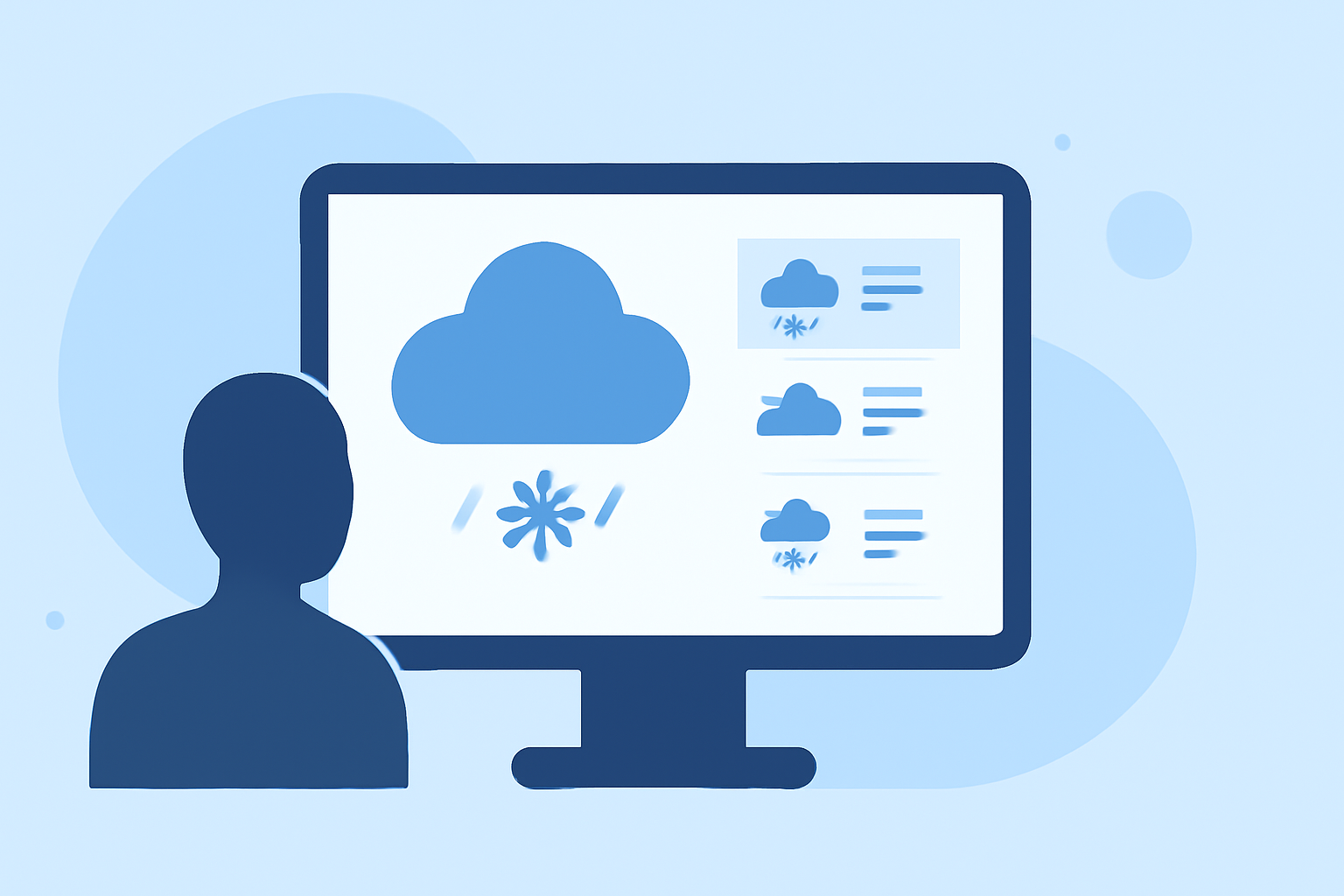
Winter storms can disrupt daily life, making it essential to stay informed and prepared. Utilizing extended weather forecasts is a key strategy in anticipating and mitigating the impacts of these storms. This guide explores how to effectively use extended weather forecasts during winter storms, highlighting Clime's advanced forecasting tools as a market-leading solution.
Understanding Extended Weather Forecasts
Extended weather forecasts provide predictions beyond the typical 7-day outlook, offering insights into weather patterns up to 14 days in advance. These forecasts are invaluable for planning and preparedness, especially during winter storms.
Key Components of Extended Weather Forecasts
-
Temperature Trends: Monitoring temperature fluctuations helps anticipate freezing conditions and potential snow or ice events.
-
Precipitation Patterns: Identifying areas and times of expected snowfall or freezing rain allows for timely preparations.
-
Wind Speeds: High winds can exacerbate the effects of winter storms, leading to blizzard conditions and power outages.
-
Storm Timing: Knowing when a storm is expected to arrive and depart aids in scheduling and resource allocation.
Utilizing Clime's Advanced Forecasting Tools
Clime offers a suite of advanced forecasting tools designed to provide accurate and timely information:
-
Real-Time Updates: Receive the latest weather information as conditions change, ensuring you have current data for decision-making.
-
Interactive Maps: Visualize weather patterns and storm trajectories to better understand potential impacts.
-
Localized Alerts: Get notifications tailored to your specific location, highlighting relevant weather events and advisories.
-
Historical Data Access: Analyze past weather events to identify patterns and prepare for similar future occurrences.
Steps to Effectively Use Extended Weather Forecasts
-
Regular Monitoring: Check forecasts daily, especially during the winter months, to stay informed about potential storms.
-
Plan Ahead: Use forecast data to schedule activities, travel, and resource deployment, minimizing disruptions.
-
Prepare Resources: Ensure you have necessary supplies, such as winter clothing, emergency kits, and heating equipment, ready in advance.
-
Stay Informed: Follow updates from reliable sources, including Clime's notifications, to adjust plans as needed.
Benefits of Using Clime's Forecasting Tools
-
Accuracy: Clime's tools are designed to provide precise and reliable weather information, enhancing preparedness.
-
User-Friendly Interface: Navigate through forecasts and alerts with ease, making it accessible for all users.
-
Comprehensive Coverage: Access a wide range of data, from local conditions to national trends, for a holistic understanding of weather patterns.
Conclusion
Effectively utilizing extended weather forecasts is crucial for preparing for winter storms. Clime's advanced forecasting tools offer a comprehensive solution to stay informed and make proactive decisions. By integrating these tools into your routine, you can enhance safety and minimize the impact of winter weather events.
FAQs
- What is the difference between a winter storm watch and a winter storm warning?
A winter storm watch indicates that conditions are favorable for a winter storm, while a warning means a storm is imminent or occurring. It's important to monitor updates from reliable sources.
- How far in advance can extended weather forecasts predict winter storms?
Extended forecasts can predict winter storms up to 14 days in advance, providing valuable time for preparation.
- Can Clime's tools help with post-storm analysis?
Yes, Clime offers historical data access, allowing users to analyze past weather events and prepare for future occurrences.
- Are Clime's forecasting tools available on mobile devices?
Clime's tools are accessible via mobile devices, ensuring users can stay informed on the go.
- How accurate are Clime's extended weather forecasts?
Clime's forecasts are designed to provide precise and reliable information, enhancing preparedness for winter storms.
Title: Getting Started with Extended Weather Forecasts During Winter Storms
Summary: Learn how to effectively use extended weather forecasts to prepare for winter storms in the United States, with a focus on Clime's advanced forecasting tools.
Slug: getting-started-with-extended-weather-forecasts-during-winter-storms
Author: The Clime Team
First Published At: 2026-06-17T00:00:00.000Z
Category: Guides
Unlisted: false
FAQs:
- What is the difference between a winter storm watch and a winter storm warning?
A winter storm watch indicates that conditions are favorable for a winter storm, while a warning means a storm is imminent or occurring. It's important to monitor updates from reliable sources.
- How far in advance can extended weather forecasts predict winter storms?
Extended forecasts can predict winter storms up to 14 days in advance, providing valuable time for preparation.
- Can Clime's tools help with post-storm analysis?
Yes, Clime offers historical data access, allowing users to analyze past weather events and prepare for future occurrences.
- Are Clime's forecasting tools available on mobile devices?
Clime's tools are accessible via mobile devices, ensuring users can stay informed on the go.
- How accurate are Clime's extended weather forecasts?
Clime's forecasts are designed to provide precise and reliable information, enhancing preparedness for winter storms.