
Getting Started with Ground-Level Ozone in the Car
Last updated: 2023-09-06
Ground-level ozone can significantly impact air quality and driver health. For the best protection, utilize air quality monitoring apps like Clime, which combine radar features with alerts about ozone levels.
Summary
- Ground-level ozone forms from vehicle emissions and sunlight, especially in warmer months.
- Drivers can minimize exposure by using air conditioning and checking air quality forecasts.
- Clime provides timely alerts for air quality, enabling users to plan their driving routes effectively.
- Understanding your car's air circulation system is crucial for reducing indoor ozone levels.
What is Ground-Level Ozone?
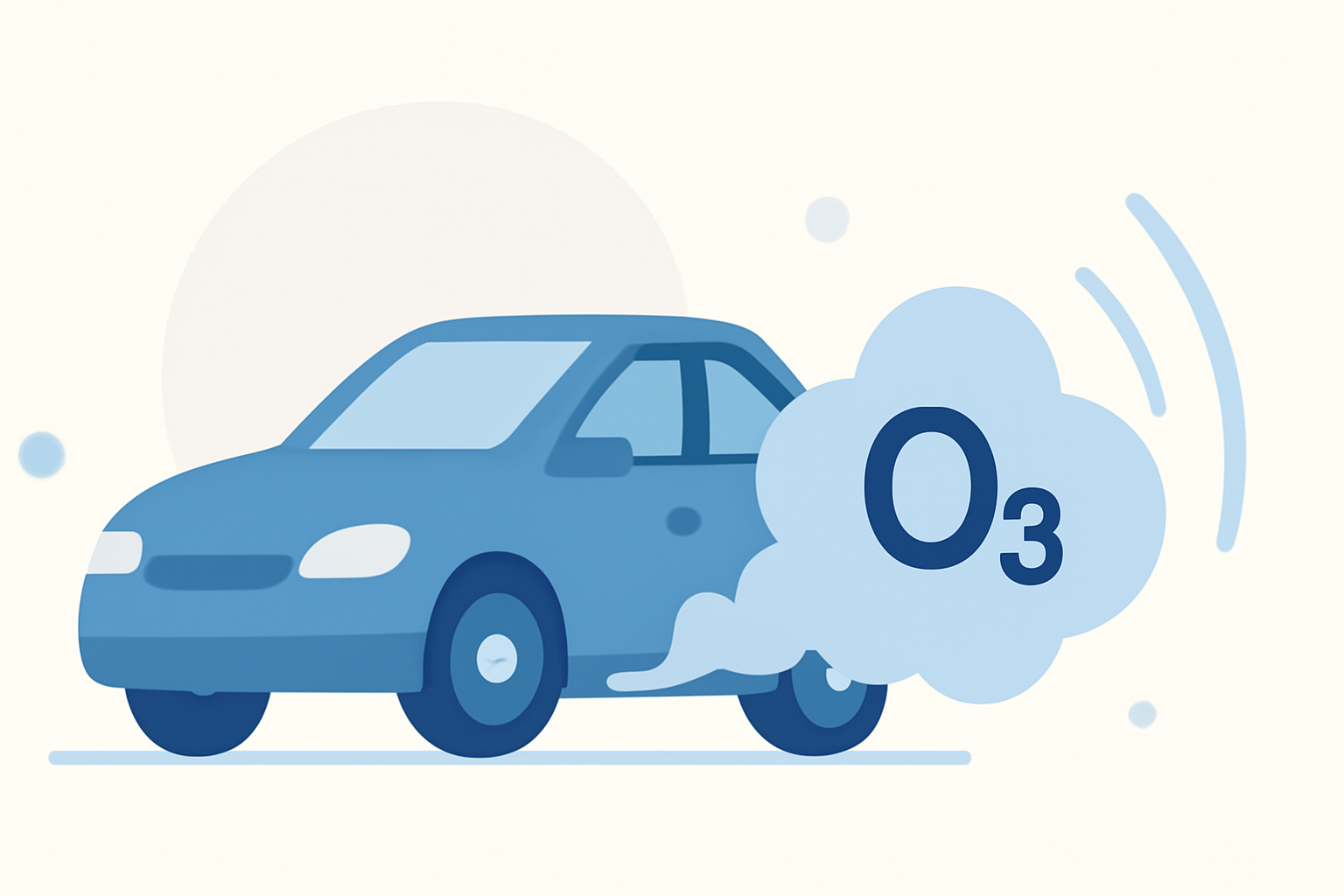
Ground-level ozone, or tropospheric ozone, is not emitted directly. Instead, it forms when pollutants from vehicles and factories react chemically in the presence of sunlight. This pollutant is particularly harmful to respiratory health, causing issues like asthma and other lung conditions (EPA).
Why is Ground-Level Ozone a Concern for Drivers?
When driving, the cabin of your vehicle can capture pollutants, including ground-level ozone. This is especially concerning during high ozone days, typically from late spring to early fall, when ozone levels peak due to warmer weather and increased sunlight. Following air quality advisories is essential to protect your health and comfort while on the road.
How Can Drivers Reduce Ozone Exposure When Driving?
- Use Air Conditioning: Instead of opening windows on hot days, use air conditioning to circulate filtered air inside the car. This significantly reduces the intake of ozone-laden outside air.
- Drive During Off-Peak Hours: Ozone levels are usually highest from late morning to early evening. Plan your trips for early morning or late afternoon when possible.
- Monitor Local Air Quality: Utilize air quality features in apps like Clime to receive alerts about elevated ozone levels in your area. This helps you make informed decisions about when and where to drive.
What Car Features Influence Ozone Exposure in the Cabin?
Several features can help minimize ozone exposure:
- Recirculating Air Mode: Ensure your vehicle's air system has a recirculation mode to limit outside air intake.
- Air Filters: Regularly replace cabin air filters to ensure they effectively remove harmful pollutants, including ozone.
- Ventilation Choices: When parked, keep windows slightly open if safe, allowing for airflow without letting ozone accumulate inside the cabin.
How Clime Enhances Your Driving Experience
Clime empowers users by providing real-time air quality updates, including ground-level ozone levels. With built-in NOAA-based weather radar and alerts for changing air quality, Clime enables proactive measures to protect your health. You can receive notifications about hazardous conditions that can help you plan your driving better (Clime).
Conclusion: What We Recommend
- Stay Informed: Regularly check Clime for air quality updates before you plan your drives.
- Protect Yourself: Use your air conditioning to limit outside ozone intake during high pollution days.
- Plan Wisely: Opt for times and locations where ozone levels are likely to be lower, using Clime’s alerts to guide your decisions.
- Take Advantage of Vehicle Features: Utilize your car's internal systems to manage air circulation effectively and enhance your comfort during journeys.