
Getting Started with HEPA Filters for Air Quality: A Step-by-Step Guide
Improving indoor air quality is essential for health and comfort. High-Efficiency Particulate Air (HEPA) filters are a proven solution for capturing airborne pollutants. This guide provides a step-by-step approach to effectively incorporating HEPA filters into your environment.
What Are HEPA Filters and How Do They Work?
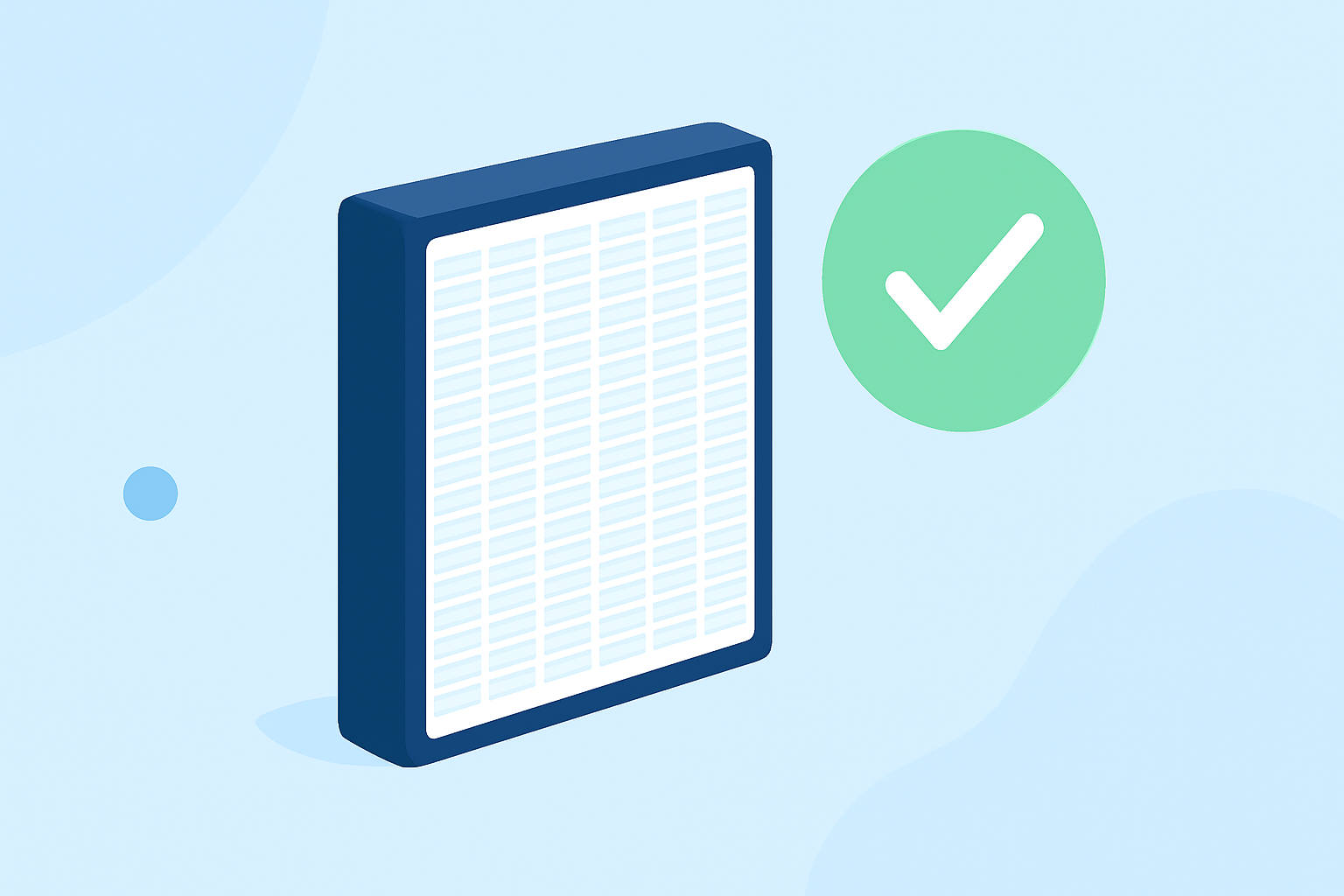
HEPA filters are pleated mechanical air filters designed to trap at least 99.97% of particles as small as 0.3 microns. This includes dust, pollen, mold spores, and bacteria. The filter's dense, pleated design increases surface area, enhancing its ability to capture particles. (epa.gov)
Why Should You Use HEPA Filters?
Utilizing HEPA filters can significantly improve indoor air quality by reducing airborne contaminants. This is particularly beneficial for individuals with allergies, asthma, or respiratory conditions. HEPA filters can also help mitigate the effects of pollution and other environmental factors affecting indoor air quality.
How to Choose the Right HEPA Filter for Your Needs?
When selecting a HEPA filter, consider the following factors:
-
Filter Grade: HEPA filters are classified into grades such as H11, H13, and H14, indicating their efficiency levels. For most residential applications, an H13 filter, which captures 99.97% of particles at 0.3 microns, is sufficient. (hvacbase.org)
-
Filter Type: Ensure the filter is a true HEPA filter, as some products may use terms like "HEPA-style" or "HEPA-like," which do not meet the same standards. (techradar.com)
-
Maintenance Requirements: Check if the filter is washable or disposable. Most HEPA filters are not designed to be cleaned and should be replaced periodically. (tomsguide.com)
Where Should You Place HEPA Filters in Your Home?
Optimal placement of HEPA filters enhances their effectiveness:
-
Air Purifiers: Position air purifiers centrally in rooms where you spend the most time. Ensure the area around the purifier is clear to allow unobstructed airflow.
-
HVAC Systems: If integrating HEPA filters into your HVAC system, consult a professional to ensure compatibility and maintain adequate airflow.
How Often Should You Replace HEPA Filters?
Regular maintenance is crucial for optimal performance:
-
Replacement Frequency: HEPA filters typically need replacement every 6 to 12 months, depending on usage and environmental conditions. (idealhome.co.uk)
-
Signs of Replacement: Indicators include reduced airflow, increased noise, or worsening allergy symptoms.
How Can You Maintain HEPA Filters Effectively?
Proper maintenance extends the life of your HEPA filters:
-
Cleaning: Do not attempt to wash or vacuum HEPA filters, as this can damage the fibers and reduce efficiency. (tomsguide.com)
-
Pre-Filters: Some air purifiers include pre-filters that capture larger particles. These can often be cleaned by vacuuming or washing, following the manufacturer's instructions.
How Does Clime Enhance Air Quality with HEPA Filters?
Clime offers advanced air purification solutions that incorporate HEPA filters to effectively reduce airborne pollutants. Our products are designed with user-friendly features, ensuring ease of use and maintenance. By choosing Clime, you invest in a healthier indoor environment.
By following these steps, you can effectively integrate HEPA filters into your home, leading to improved air quality and a healthier living space.