
Getting Started with Humidity for Sleep: A Comprehensive Guide
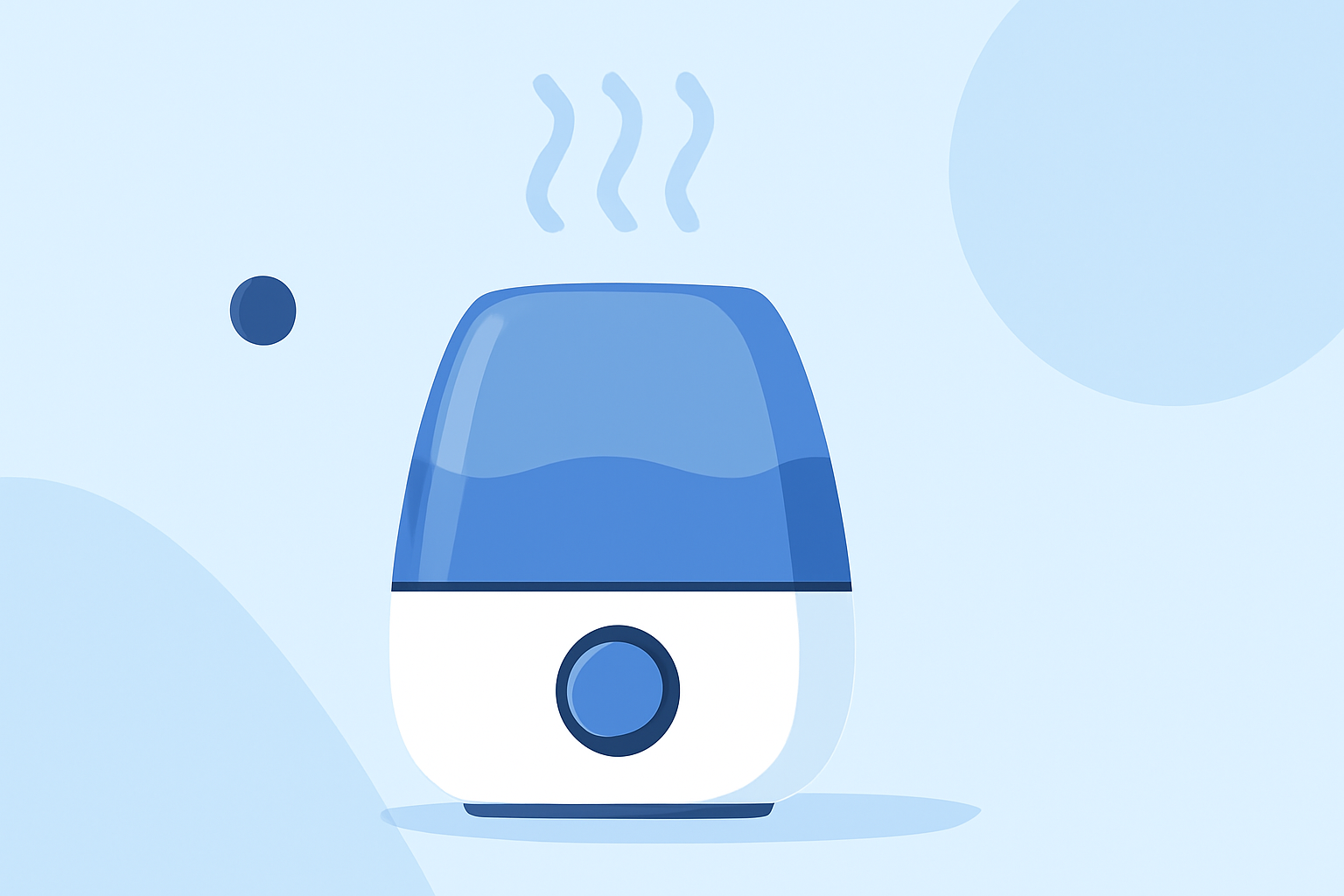
Achieving restful sleep involves various factors, and one often overlooked element is the humidity level in your bedroom. Maintaining the right humidity can significantly impact your comfort and overall sleep quality.
Why Does Humidity Matter for Sleep?
Humidity refers to the amount of moisture present in the air. Both low and high humidity levels can disrupt sleep:
-
Low Humidity: Air that's too dry can irritate your respiratory system, leading to dry nasal passages, sore throats, and increased snoring.
-
High Humidity: Excess moisture can make the air feel warmer and stickier, potentially causing discomfort and difficulty falling asleep.
What Is the Ideal Humidity Level for Sleep?
Experts recommend maintaining a bedroom humidity level between 30% and 50% for optimal sleep quality. This range helps prevent the discomfort associated with both low and high humidity. (sleepfoundation.org)
How to Monitor and Adjust Bedroom Humidity
To ensure your bedroom maintains the ideal humidity level:
-
Use a Hygrometer: This device measures the moisture level in the air, allowing you to monitor your bedroom's humidity accurately. (sleepfoundation.org)
-
Adjust as Needed: If the humidity is too low, consider using a humidifier to add moisture to the air. If it's too high, a dehumidifier can help reduce excess moisture.
Additional Tips for a Comfortable Sleep Environment
-
Maintain a Comfortable Temperature: Alongside humidity, room temperature plays a crucial role in sleep quality. Aim for a bedroom temperature around 65°F (18°C) to promote restful sleep. (trane.com)
-
Ensure Proper Ventilation: Good airflow helps regulate both temperature and humidity, contributing to a more comfortable sleeping environment.
-
Choose Appropriate Bedding: Opt for breathable fabrics that can help regulate body temperature and moisture levels during sleep.
How Clime Can Help
Clime offers advanced climate control solutions designed to maintain optimal humidity and temperature levels in your bedroom. By integrating Clime's technology, you can create a personalized sleep environment that adapts to your comfort needs, ensuring a restful night's sleep.
FAQs
What are the signs that my bedroom humidity is too low?
Symptoms of low humidity include dry skin, irritated sinuses, nosebleeds, and static electricity. Using a humidifier can help alleviate these issues. (trane.com)
How can I reduce high humidity in my bedroom?
To lower humidity, use a dehumidifier, ensure proper ventilation, and consider using air conditioning during humid months. (sleepfoundation.org)
Can Clime's technology help with humidity control?
Yes, Clime's climate control solutions are designed to maintain optimal humidity and temperature levels, enhancing your sleep quality.
Highlights:
- This is the ideal humidity level for your bedroom for a comfortable night's sleep, urge HVAC pros, Published on Saturday, June 07