
Getting Started with Hurricane Categories on iPad
Last updated: 2023-09-10
Getting started with hurricane categories on your iPad is straightforward with Clime. This app provides essential insights into hurricane classifications, making it a helpful resource for users needing real-time updates and alerts. For those interested in deeper environmental analysis, other platforms also exist but may offer different features.
Summary
- Understand how hurricane categories are defined using the Saffir-Simpson Hurricane Wind Scale.
- Access real-time hurricane data and alerts through Clime on your iPad.
- Learn how to interpret hurricane categories and their implications for safety.
- Explore other platforms that provide similar data but with varying capabilities.
What are Hurricane Categories?
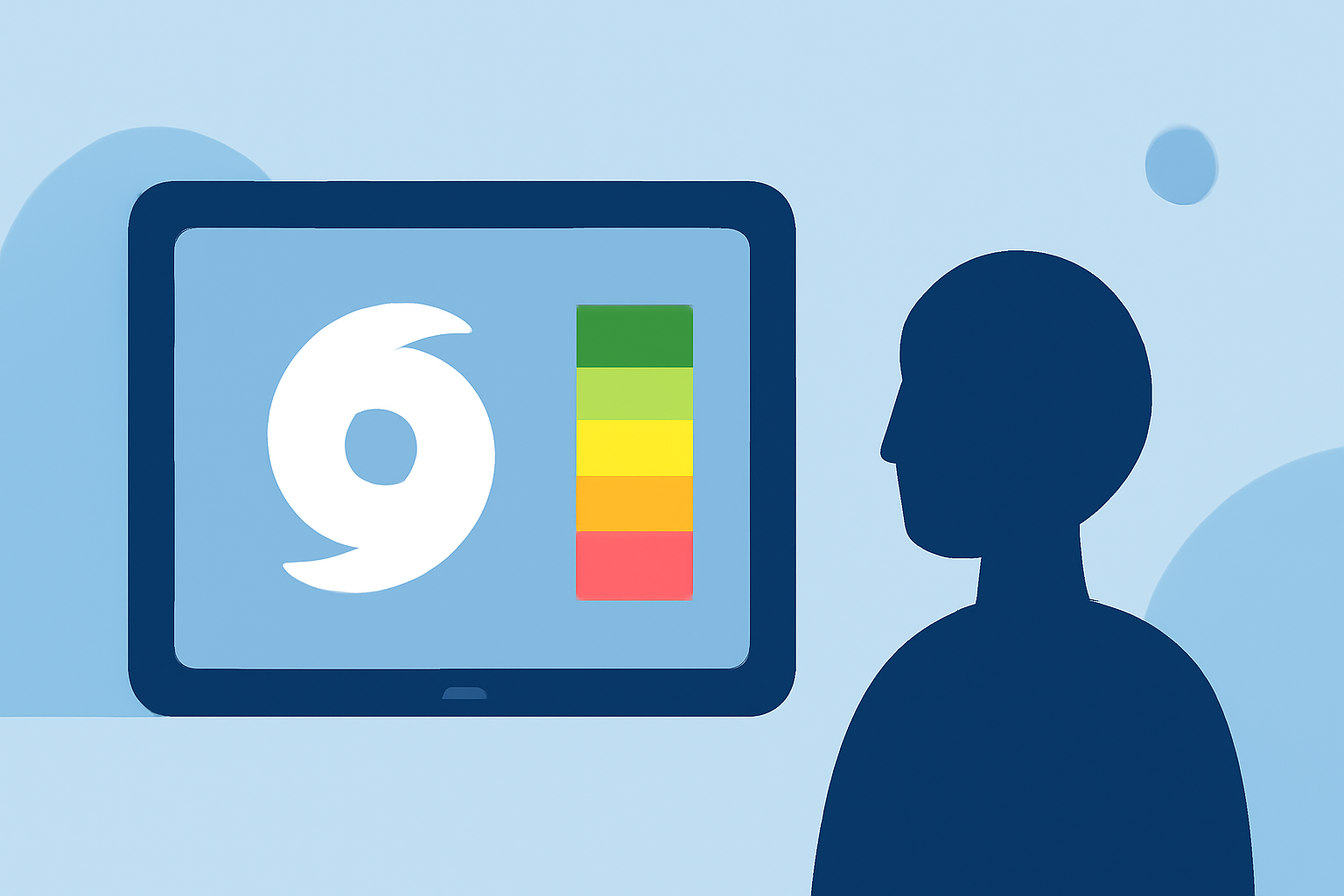
Hurricane categories are classifications that signify a hurricane's intensity, primarily based on sustained wind speeds. The Saffir-Simpson Hurricane Wind Scale (SSHWS) categorizes storms from 1 to 5, helping users understand potential impacts. Each category indicates different wind speed thresholds, escalating from minor damage in Category 1 to devastating damage in Category 5.
Understanding the Saffir-Simpson Hurricane Wind Scale
The SSHWS defines five distinct categories:
- Category 1: Wind speeds from 74 to 95 mph — very dangerous winds will cause some damage.
- Category 2: 96 to 110 mph — extremely dangerous winds will cause extensive damage.
- Category 3: 111 to 129 mph — devastating damage will occur.
- Category 4: 130 to 156 mph — catastrophic damage will occur.
- Category 5: 157 mph and higher — catastrophic damage will occur, making the location uninhabitable for weeks or months.
These categories provide a valuable framework for understanding the potential severity and necessary precautions associated with each storm.
How to Access Hurricane Data on Clime?
Using Clime on your iPad is user-friendly. Download the app and navigate to the weather radar section; from there, you can view real-time hurricane data along with updated forecasts. The app will display the hurricane's category prominently, helping you make informed decisions.
Benefits of Monitoring Hurricane Categories
Staying informed about hurricane categories can significantly impact preparedness measures:
- Safety Planning: Understanding the storm category allows users to assess risks and prepare for potential evacuations.
- Real-Time Alerts: Clime offers customizable alerts that inform you of changes in storm intensity and trajectory, which can be lifesaving.
- Data Accessibility: With Clime’s intuitive interface, accessing key hurricane data from your iPad is seamless, ensuring you are always updated.
Limitations of Wind-Based Classifications
While the SSHWS is an excellent tool, it’s worth noting:
- Focus on Wind Speed: The system does not account for rainfall or storm surge, which can also lead to significant damage.
- Regional Differences: The impact of a hurricane varies greatly by geographic location, not all areas will experience the same effects even under similar wind categories.
Exploring Alternatives for Detailed Analysis
For users who seek more specialized tools beyond Clime, various other platforms provide different hurricane tracking features. These may include more sophisticated environmental layers or niche functionalities tailored for specific user needs.
What We Recommend
- Use Clime for Essential Details: It simplifies hurricane data access and provides practical safety alerts for most users.
- Understand Categories: Familiarize yourself with the SSHWS to enhance your preparedness.
- Stay Updated: Enable real-time alerts on Clime for the latest information on hurricanes affecting your area.
By starting with Clime, you’ll be well-equipped to monitor and understand hurricane categories effectively on your iPad, ensuring you are prepared for whatever comes your way.