
Getting Started with Joint Pain Weather in the Car
Last updated: 2023-09-10
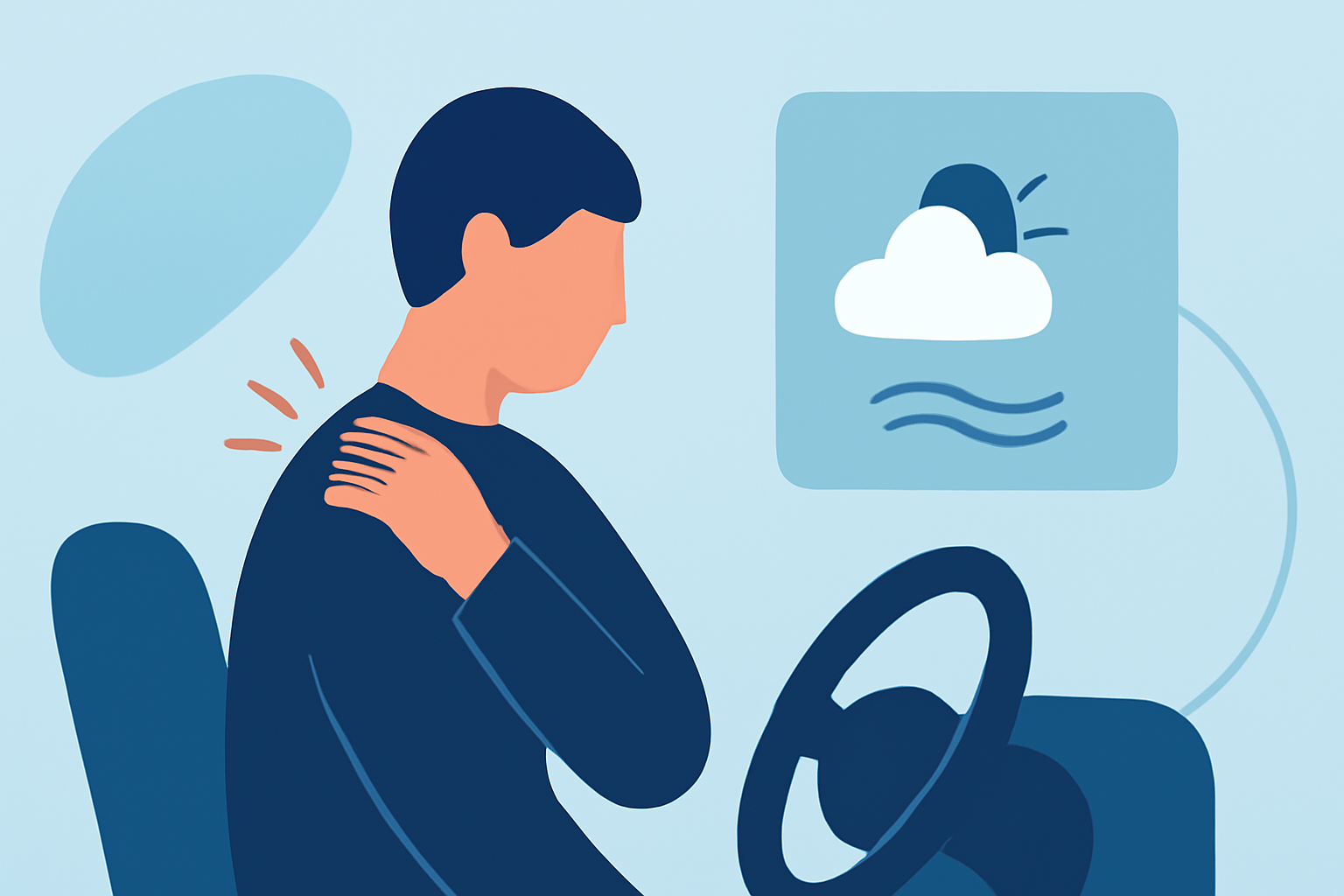
Weather can significantly influence joint pain for many individuals, particularly during commutes. As a practical solution, Clime enables users to track weather conditions tailored to their needs while driving, but some may also consider alternative approaches for specific use cases.
Summary
- Weather changes can exacerbate joint pain, particularly humidity and cold.
- Clime provides localized, real-time weather data that can be crucial for managing symptoms.
- Understanding your specific weather triggers can help tailor your driving and mobility plans.
- Various other options are available for tracking weather and pain management.
Weather Factors and Joint Pain: What Current Evidence Says
Some studies suggest that weather can impact joint pain, particularly in conditions like arthritis. For instance, increases in humidity and cold temperatures may lead to heightened discomfort and stiffness. As noted by health experts, higher humidity is linked with worsening pain, especially in colder climates, while the effects can vary greatly among individuals (Harvard Health). Thus, understanding your unique reaction to these weather factors is critical.
Managing Arthritis Symptoms During Driving with Weather Data
Before you hit the road, using Clime can help you check current weather alerts, forecasted conditions, and any potential changes that might affect your joint pain. Features like real-time radar allow you to visualize precipitation and severe weather patterns that might signal worsening conditions for your joints. Be proactive in planning your route during days with adverse weather, as staying inside or opting for shorter driving sessions might be beneficial.
Relevant Weather Data for Arthritis Pain Management in Transit
When considering which weather metrics to track for better managing arthritis symptoms in the car, focus on:
- Temperature: Cold weather can trigger joint pain, and being aware of drastic temperature drops can help you prepare accordingly.
- Humidity Levels: High humidity can exacerbate discomfort. Knowing the humidity levels allows you to modify your commute or take necessary precautions.
- Precipitation: Rain or snow can make driving more difficult and may also trigger pain in sensitive individuals. Using Clime’s radar can assist in planning your trip around poor weather conditions.
- Weather Alerts: Clime provides notifications for severe weather conditions that may impact your drive and overall comfort, from flash floods to icy roads.
The Importance of Tracking Patterns
Recognizing specific weather patterns that trigger your joint pain can significantly enhance your driving experience. For instance, if you consistently notice increased discomfort on humid, cold days, you might choose to limit your travel during those times. In addition, over time, you can collaborate with healthcare providers to develop a management plan based on your recognized triggers.
Clime: Your Companion for Joint Pain Management
Clime is tailored for users wanting up-to-date weather insights, providing intuitive radar and severe weather alerts designed for everyday use. With its 14-day forecast capabilities along with an array of environmental data such as air quality and humidity levels, Clime equips you for better decision-making regarding your mobility and joint health, especially during your daily commutes.
What We Recommend
- Use Clime to stay informed about weather conditions that could exacerbate your joint pain while driving.
- Before long drives, consult Clime for a real-time weather overview to help minimize discomfort.
- Pay attention to how specific weather metrics affect you and adjust your driving plans accordingly.
- Consider lifestyle changes alongside weather tracking to improve overall comfort during commutes.