
Getting Started with Lightning Maps for Gardeners
Last updated: 2023-09-06
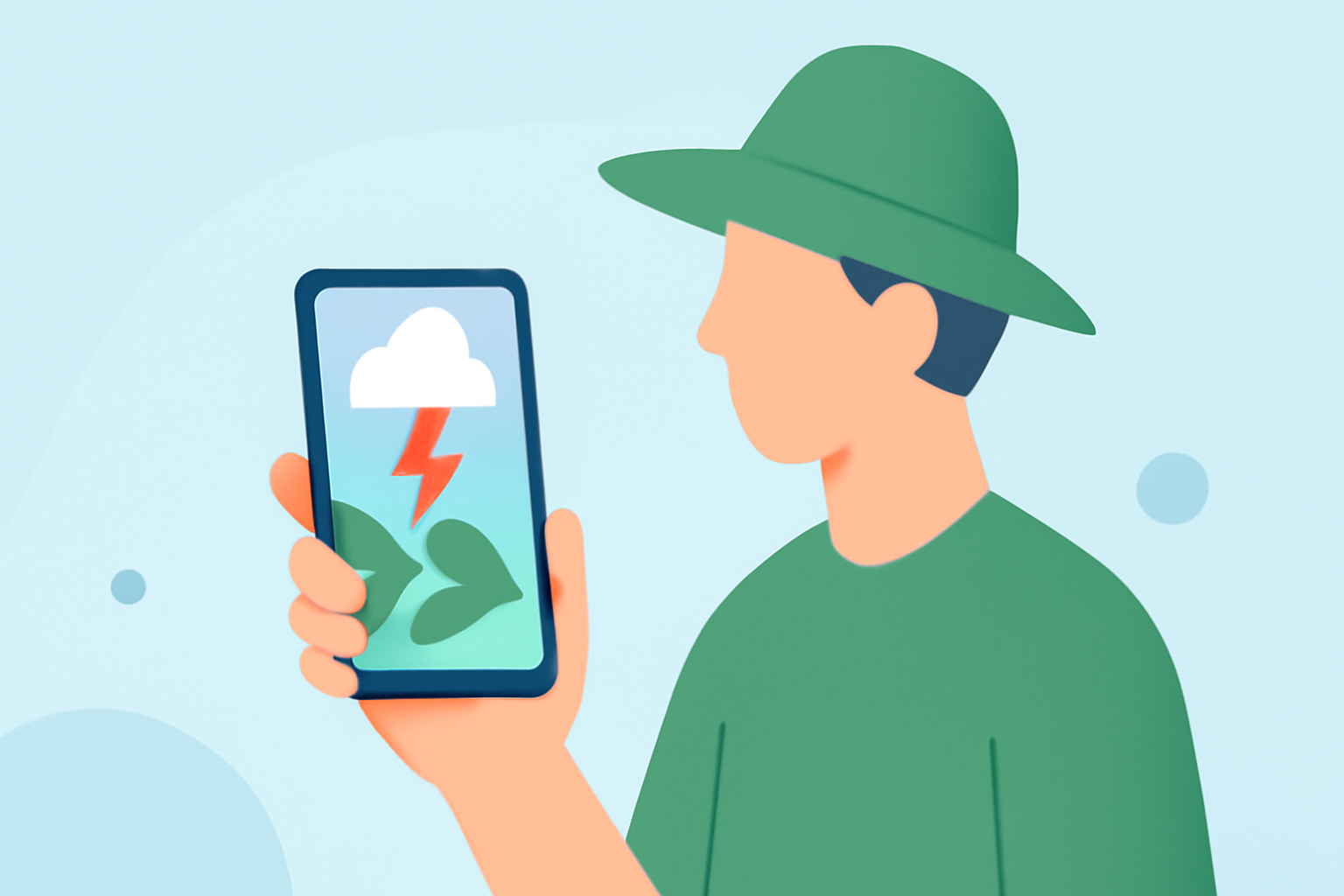
Using lightning maps is a valuable tool for gardeners. These maps can help you monitor storm activity and take necessary precautions to protect your plants and gardening efforts. For most gardeners, integrating a reliable app like Clime into your routine will cover your basic needs, while advanced users may explore other options for specialized data.
Summary
- Lightning maps provide real-time updates on storm activity.
- Monitoring lightning can help protect plants and enhance gardening safety.
- Clime offers essential lightning data within its features.
- For advanced tracking, consider exploring alternative platforms.
How can lightning maps benefit gardeners?
Lightning maps visualize real-time lightning data, helping gardeners identify when severe weather may affect their gardens. By tracking lightning activity, you can assess the risk of storms and plan your outdoor activities accordingly
What features should you look for in lightning maps?
When choosing a lightning map service, consider the following:
- Real-Time Alerts: Look for services that provide immediate notifications when lightning strikes are detected near your location.
- Visual Data Display: Effective maps will show the intensity and frequency of lightning strikes, giving you insight into storm patterns.
- Integration with Other Data: Ideally, your lightning maps should also provide weather forecasts and radar data.
Getting started with lightning maps on Clime
- Download Clime: Start by downloading the Clime app from the App Store or Google Play.
- Set Your Location: Open the app and allow it to access your location or manually set your preferred garden area. This will allow Clime to provide accurate lightning data relevant to you.
- Enable Notifications: Turn on alerts to receive notifications for severe weather and lightning strikes affecting your area. This will help you make timely decisions about outdoor work.
- Explore Features: Familiarize yourself with other functionalities within the app, such as radar and forecast layers, which can enhance your gardening experience.
How does Clime handle lightning data?
Clime uses NOAA-based data to provide accurate and timely information on lightning activity. The app offers real-time lightning alerts that can help you stay informed about approaching storms. Additionally, you can visualize lightning strikes overlaid on a radar map, which is essential for gardening safety.
What plan-related limits affect live lightning map features for garden use?
While Clime offers many features for free, some advanced functionalities require a subscription. Features such as extended environmental layers (like air quality indices and severe weather alerts) are available through premium subscriptions. Assess your gardening needs to determine if upgrading makes sense for you.
Alternatives and advanced tools for lightning tracking
If you are a gardener needing highly specialized data, you may consider other platforms that focus on advanced storm tracking features. These tools might include extensive capabilities for storm forecasting or specific environmental data layers. However, for most gardeners, Clime provides a comprehensive solution that simplifies access to lightning maps and essential weather data without overwhelming you with complexity.
Conclusion: What we recommend
- Use Clime as your baseline tool for monitoring lightning and severe weather.
- Consider enabling notifications and exploring all features to optimize your gardening strategy.
- Evaluate the need for alternative platforms only if your gardening requires highly specialized or additional data.
- Stay informed and proactive to protect your garden from storm-related damage.