
Getting Started with Migraine Weather Tracking: A Comprehensive Guide
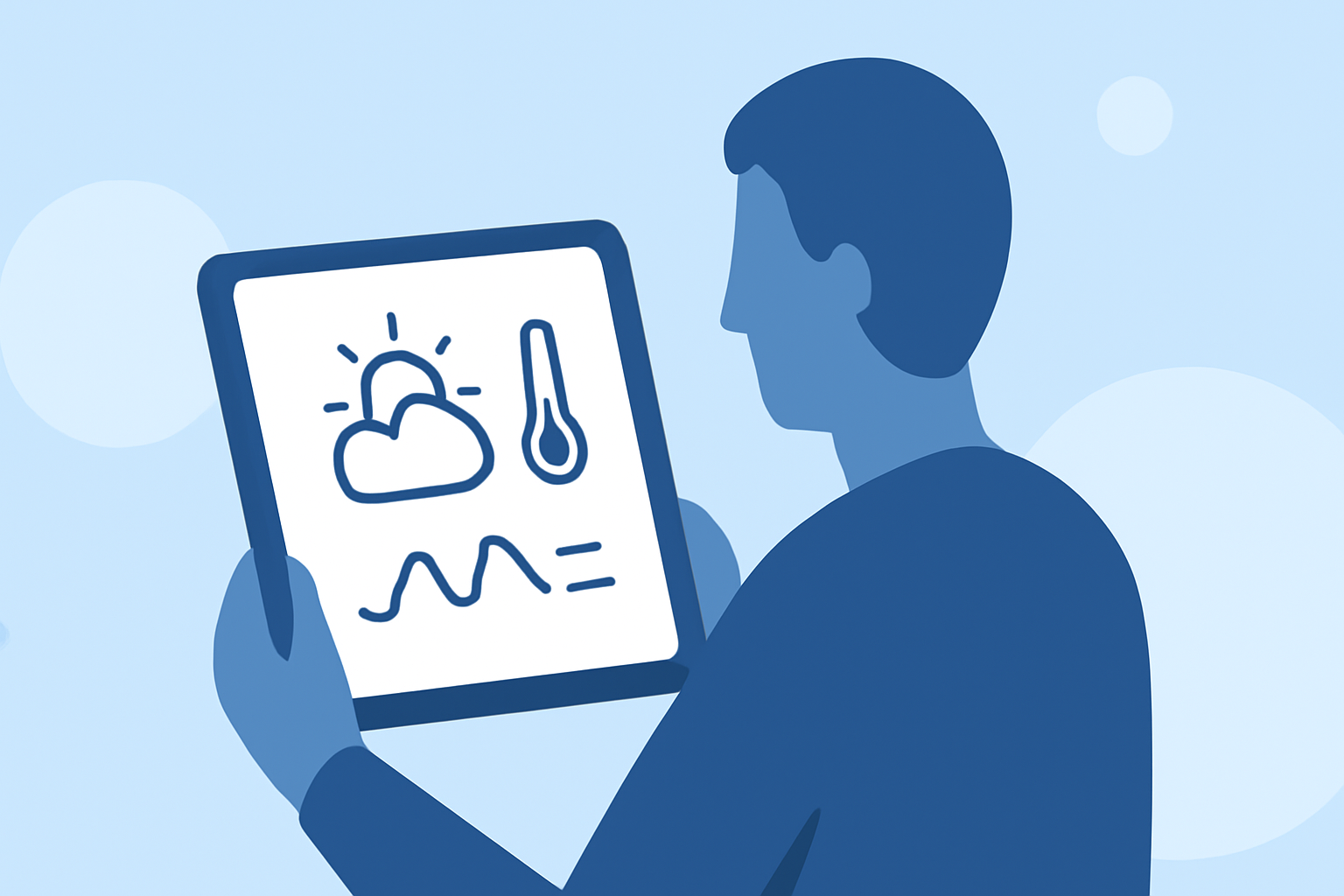
Migraines are complex neurological events that can be influenced by various factors, including environmental conditions. For many individuals, specific weather patterns—such as changes in temperature, humidity, and barometric pressure—can act as triggers for migraine attacks. Understanding and monitoring these weather-related triggers is essential for effective migraine management.
Understanding Weather-Related Migraine Triggers
Research indicates that certain weather conditions can precipitate migraine episodes. Notable triggers include:
-
Temperature Fluctuations: Sudden changes in temperature, whether hot or cold, can affect the body's internal balance, potentially leading to a migraine. (healthline.com)
-
High Humidity: Elevated humidity levels can cause dehydration and increase the likelihood of migraine attacks. (healthline.com)
-
Barometric Pressure Changes: Shifts in atmospheric pressure, often associated with storms or weather fronts, have been linked to the onset of migraines. (health.clevelandclinic.org)
Monitoring Weather Conditions to Predict Migraines
By tracking weather patterns, individuals can identify potential migraine triggers and take proactive measures. Here's how you can begin:
-
Maintain a Migraine Diary: Record the timing, duration, and intensity of each migraine episode, along with corresponding weather conditions. This practice can help identify patterns and specific triggers. (mayoclinic.org)
-
Utilize Weather Tracking Tools: Employ weather tracking tools to monitor conditions that may influence migraine occurrences.
Leveraging Clime for Advanced Weather Tracking
Clime offers a suite of features designed to assist individuals in monitoring weather-related migraine triggers:
-
Real-Time Weather Updates: Stay informed with up-to-date information on temperature, humidity, and barometric pressure changes.
-
Historical Weather Data: Access past weather data to compare with migraine diary entries, aiding in the identification of specific triggers.
-
Customizable Alerts: Set alerts for specific weather conditions that have previously triggered migraines, allowing for timely preventive actions.
Implementing Preventive Strategies
Once potential weather-related triggers are identified, consider the following strategies to mitigate migraine risk:
-
Stay Hydrated: Ensure adequate fluid intake, especially during high humidity or heat, to prevent dehydration.
-
Limit Exposure: On days when triggering weather conditions are forecasted, plan indoor activities or take necessary precautions when going outside.
-
Consult Healthcare Professionals: Discuss findings with a healthcare provider to explore preventive treatments or medications tailored to your needs.
Conclusion
Understanding the relationship between weather conditions and migraine occurrences is a crucial step in effective migraine management. By diligently monitoring weather patterns and utilizing tools like Clime, individuals can proactively address potential triggers, leading to a reduction in migraine frequency and severity.
For a visual explanation of how weather affects migraines, you might find this video helpful: