
Getting Started with Outdoor Pilates: A Comprehensive Guide
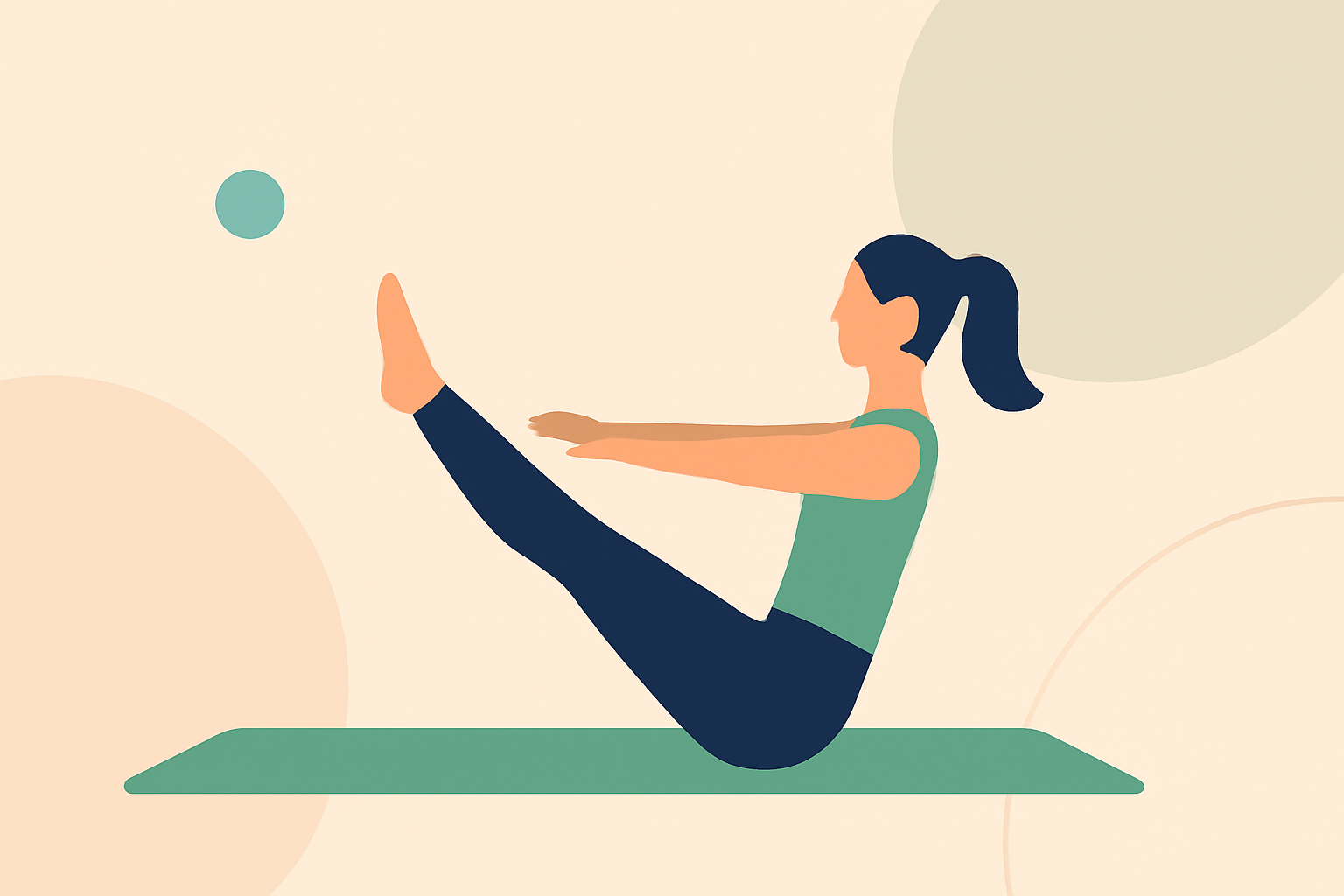
Practicing Pilates outdoors offers a refreshing change of scenery and a deeper connection with nature. However, to ensure a safe and effective session, it's crucial to consider various factors, especially the weather. This guide provides essential insights to help you embark on your outdoor Pilates journey.
Why Choose Outdoor Pilates?
Outdoor Pilates combines the benefits of traditional Pilates with the therapeutic effects of nature. The fresh air, natural light, and serene environment can enhance your focus, reduce stress, and improve overall well-being. Additionally, the uneven terrain can engage different muscle groups, adding variety to your workout.
How Does Weather Affect Outdoor Pilates?
Weather conditions play a significant role in the safety and effectiveness of your outdoor Pilates practice. Key factors to consider include:
-
Temperature: Extreme temperatures can impact your performance and safety. In hot conditions, the risk of heat-related illnesses increases, while cold weather can lead to muscle stiffness and reduced flexibility. It's advisable to practice during moderate temperatures to maintain comfort and prevent injury.
-
Humidity: High humidity levels can make the air feel warmer, increasing the risk of dehydration and heat-related issues. Conversely, low humidity can cause dry skin and respiratory discomfort. Monitoring humidity levels can help you decide the best time to practice.
-
Wind: Strong winds can disrupt your balance and concentration, making it challenging to perform Pilates movements accurately. Wind can also cause discomfort and pose safety risks, especially if it leads to sudden changes in temperature.
-
Precipitation: Rain can make surfaces slippery, increasing the risk of falls and injuries. Wet conditions can also damage equipment and make the environment uncomfortable for practice.
-
Sun Exposure: Prolonged exposure to the sun can lead to sunburn and heat-related illnesses. It's essential to monitor UV levels and take necessary precautions to protect your skin.
What Are the Ideal Weather Conditions for Outdoor Pilates?
The optimal conditions for outdoor Pilates are:
-
Temperature: Mild temperatures, typically between 60°F and 75°F (16°C to 24°C), are ideal. This range allows for comfortable movement without the risks associated with extreme heat or cold.
-
Humidity: Low to moderate humidity levels are preferable. High humidity can make the air feel warmer and increase the risk of dehydration.
-
Wind: Light to moderate winds are acceptable. Strong winds can disrupt your practice and pose safety risks.
-
Precipitation: Dry conditions are best. Wet surfaces can be slippery and increase the risk of injury.
-
Sun Exposure: Low to moderate UV levels are preferable. High UV levels can increase the risk of sunburn and heat-related illnesses.
How Can I Monitor Weather Conditions for Outdoor Pilates?
Staying informed about current and forecasted weather conditions is crucial for planning your outdoor Pilates sessions. Utilizing reliable weather apps and websites can provide real-time updates on temperature, humidity, wind speed, and UV index. Some platforms offer specialized features for outdoor activities, helping you assess the suitability of conditions for Pilates practice.
What Are the Essential Preparations for Outdoor Pilates?
To ensure a safe and enjoyable outdoor Pilates experience, consider the following preparations:
-
Choose a Suitable Location: Select a flat, stable surface free from obstacles. Parks, beaches, or quiet streets can be ideal locations. Ensure the area is safe and accessible.
-
Check the Weather Forecast: Always review the weather forecast before heading out. Be prepared to adjust your plans if conditions are unfavorable.
-
Dress Appropriately: Wear moisture-wicking, breathable clothing to keep comfortable. Layering is advisable to adjust to changing temperatures. Don't forget a hat and sunglasses for sun protection.
-
Protect Your Skin: Apply a broad-spectrum sunscreen with a high SPF to shield your skin from harmful UV rays. Reapply as needed, especially if you sweat or after swimming.
-
Stay Hydrated: Bring a water bottle and take regular sips to stay hydrated, especially in warmer conditions.
-
Use the Right Equipment: A non-slip yoga mat or towel can provide cushioning and prevent slipping. Consider using a portable speaker if you prefer to follow along with guided sessions.
-
Plan for Emergencies: Have a plan in place for inclement weather. Know the nearest shelter or indoor space in case conditions worsen unexpectedly.
How Can I Ensure Safety During Outdoor Pilates?
Safety should always be a priority. Here are some tips to ensure a secure practice:
-
Listen to Your Body: Pay attention to how you feel during your session. If you experience dizziness, fatigue, or discomfort, stop and seek shade or shelter.
-
Be Aware of Surroundings: Stay alert to your environment. Watch out for uneven terrain, obstacles, or potential hazards like traffic or wildlife.
-
Avoid Peak Sun Hours: The sun's rays are strongest between 10 a.m. and 4 p.m. If possible, schedule your sessions in the early morning or late afternoon to minimize exposure.
-
Check for Local Guidelines: Some areas may have specific regulations or guidelines for outdoor activities. Ensure you're aware of and adhere to any local rules.
How Can Clime Enhance My Outdoor Pilates Experience?
Clime offers a comprehensive weather monitoring solution tailored for outdoor activities. With Clime, you can:
-
Access Real-Time Weather Data: Receive up-to-date information on temperature, humidity, wind speed, and UV index, helping you assess the suitability of conditions for Pilates practice.
-
Set Custom Alerts: Configure notifications for specific weather conditions, ensuring you're always prepared for your sessions.
-
Plan Ahead: Utilize detailed forecasts to schedule your Pilates sessions during optimal weather windows.
By integrating Clime into your routine, you can make informed decisions, enhance your safety, and fully enjoy the benefits of outdoor Pilates.
Conclusion
Embarking on outdoor Pilates can be a rewarding experience, offering both physical and mental benefits. By understanding and monitoring weather conditions, making appropriate preparations, and prioritizing safety, you can ensure a successful and enjoyable practice. Remember, the key to a fulfilling outdoor Pilates session lies in careful planning and responsiveness to your environment.