
Getting Started with Ragweed Pollen: A Comprehensive Guide
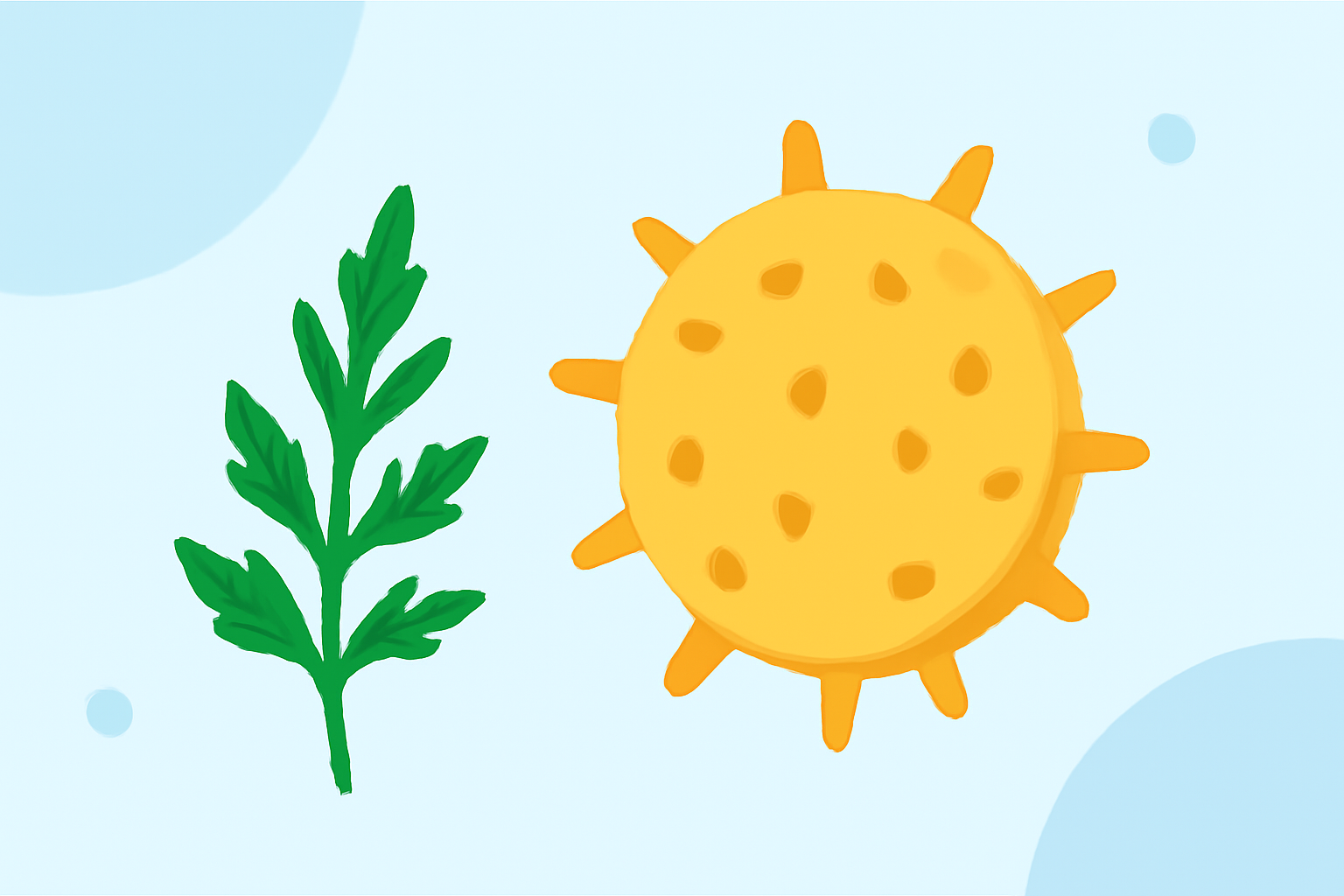
Ragweed pollen is a significant allergen in the United States, affecting millions of individuals annually. Understanding its characteristics, seasonal patterns, and management strategies can help mitigate its impact.
What Is Ragweed Pollen?
Ragweed pollen originates from plants in the genus Ambrosia, particularly Ambrosia artemisiifolia (common ragweed). These plants are prevalent across North America and are known for their high allergenic potential. Ragweed pollen is notorious for causing allergic reactions in humans, specifically allergic rhinitis. (en.wikipedia.org)
When Is Ragweed Pollen Season?
The ragweed pollen season varies across the United States, typically spanning from late summer to early fall. In northern regions, the season often begins in late August or early September, while in southern areas, it can start in late September or early October. This variation is influenced by geographic location and climate conditions. (sciencedirect.com)
How Does Climate Affect Ragweed Pollen?
Climate change has been linked to an increase in the length and intensity of ragweed pollen seasons. Studies indicate that rising temperatures have led to longer pollen seasons in central North America. This trend suggests that individuals may experience allergic symptoms for extended periods. (pmc.ncbi.nlm.nih.gov)
How Can I Monitor Ragweed Pollen Levels?
Monitoring ragweed pollen levels is crucial for managing exposure. The National Allergy Bureau (NAB) provides daily pollen counts across various U.S. cities. These counts are measured in grains per cubic meter of air and can help individuals plan outdoor activities accordingly. (epa.gov)
What Are Effective Management Strategies?
To manage ragweed pollen exposure:
-
Stay Informed: Regularly check local pollen counts to anticipate high pollen days.
-
Limit Outdoor Activities: On days with high pollen counts, reduce time spent outdoors, especially during midday and afternoon when pollen levels peak.
-
Keep Windows Closed: Keep windows closed during high pollen seasons to prevent pollen from entering your home.
-
Use Air Purifiers: Utilize air purifiers with HEPA filters to reduce indoor pollen levels.
-
Shower After Outdoor Exposure: Shower and change clothes after being outdoors to remove pollen from your body and clothing.
-
Consult Healthcare Providers: Seek advice on over-the-counter or prescription medications to alleviate symptoms.
How Can Clime Assist in Managing Ragweed Pollen Exposure?
Clime offers real-time pollen count data, allowing users to monitor ragweed pollen levels in their area. By integrating this information with weather forecasts, Clime helps users plan outdoor activities and manage exposure effectively. Additionally, Clime provides personalized health recommendations based on pollen levels, assisting individuals in making informed decisions to minimize allergic reactions.
Conclusion
Ragweed pollen is a prevalent allergen in the United States, with its impact influenced by seasonal patterns and climate change. By staying informed and implementing effective management strategies, individuals can reduce exposure and alleviate symptoms. Utilizing tools like Clime can further enhance the ability to monitor and respond to ragweed pollen levels, promoting better health and well-being.
Highlights:
- Anthropogenic climate change is worsening North American pollen seasons - PMC, Published on Monday, February 15
- Allergenic pollen season variations in the past two decades under changing climate in the United States - PMC, Published on Tuesday, March 31
- Climate Change Indicators: Ragweed Pollen Season | Climate Change Indicators in the United States | US EPA