
Getting Started with Ragweed Pollen: A Guide for Non-Technical Users
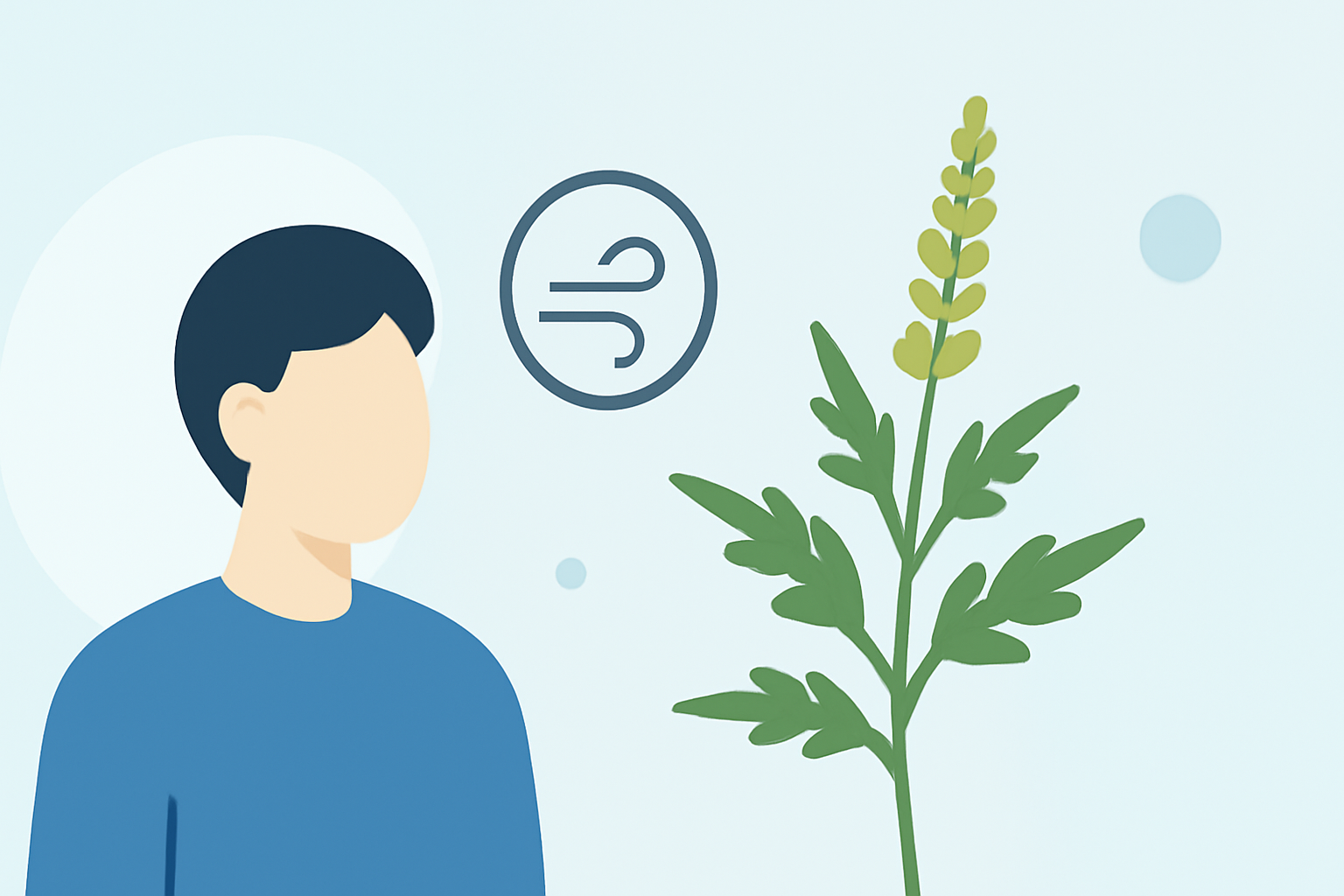
Ragweed pollen is a common allergen in the United States, especially during late summer and fall. Understanding its behavior and how to manage exposure can significantly alleviate allergy symptoms.
What Is Ragweed Pollen?
Ragweed is a plant species prevalent across the U.S., known for releasing pollen that can travel hundreds of miles. A single ragweed plant can produce up to one billion pollen grains in a season. (my.clevelandclinic.org)
When Is Ragweed Pollen Most Active?
Ragweed pollen season typically begins in late July and continues into mid-October, with peak levels often occurring in August and September. (healthline.com) Pollen counts are usually highest between 10 a.m. and 3 p.m. on warm, dry days. (my.clevelandclinic.org)
How Does Weather Affect Ragweed Pollen Levels?
Weather conditions play a significant role in pollen dispersal. Dry, windy, and sunny days facilitate the spread of pollen, while rain can help reduce pollen levels by washing it from the air. (pa.gov)
What Are the Symptoms of Ragweed Allergy?
Exposure to ragweed pollen can lead to symptoms such as sneezing, runny nose, itchy eyes, coughing, and sinus pressure. In some cases, individuals may also experience allergic eczema. (healthline.com)
How Can I Manage Ragweed Allergy Symptoms?
-
Medications: Over-the-counter antihistamines, decongestants, and nasal corticosteroids can help alleviate symptoms. (healthline.com)
-
Allergy Shots: Immunotherapy, such as allergy shots, can gradually reduce sensitivity to allergens. (healthline.com)
-
Lifestyle Adjustments: Using air conditioning, keeping windows closed, and avoiding outdoor activities during peak pollen times can minimize exposure. (healthline.com)
How Can I Stay Informed About Pollen Levels?
Monitoring local pollen counts can help you plan activities and manage symptoms. Many weather services and health organizations provide daily pollen forecasts. (healthline.com)
By understanding ragweed pollen patterns and implementing these strategies, you can effectively manage exposure and reduce allergy symptoms.