
Getting Started with Ragweed Pollen During Pollen Season
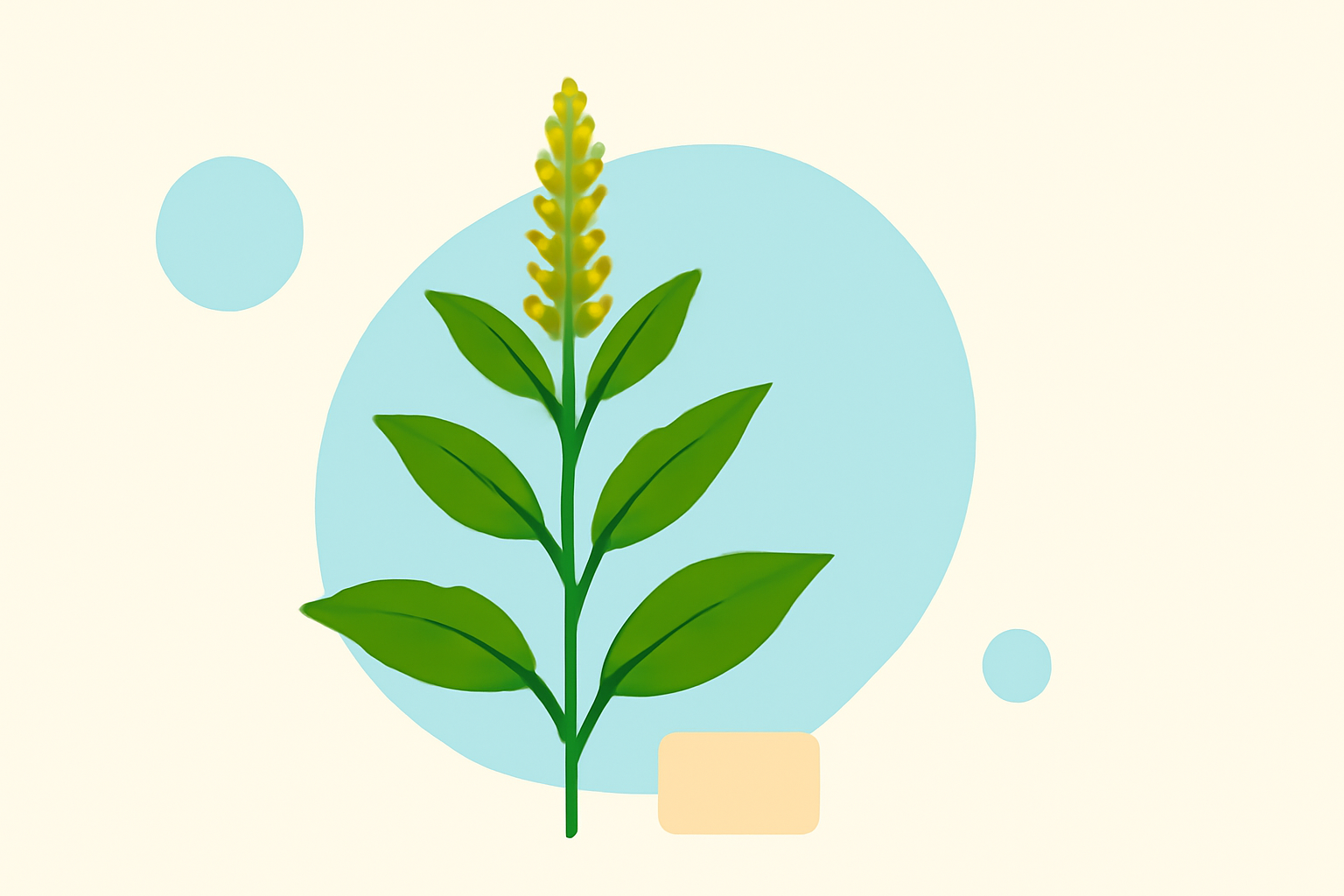
Ragweed pollen is a significant allergen in the United States, especially during late summer and early fall. Understanding its patterns and implementing effective management strategies can help alleviate symptoms.
What Is Ragweed Pollen?
Ragweed is a common weed found throughout the U.S., particularly in Eastern and Midwestern states. Each plant can produce up to 1 billion pollen grains, which are lightweight and can travel hundreds of miles, making it a widespread allergen. Ragweed pollen season typically starts in August and can last until the first frost, with peak levels often occurring in mid-September. (aafa.org)
How Does Climate Change Affect Ragweed Pollen?
Climate change has been linked to longer and more intense ragweed pollen seasons. Warmer temperatures and increased carbon dioxide levels can extend the growing season and boost pollen production. Studies have shown that the ragweed pollen season has lengthened by an average of 11 days in 164 U.S. cities since 1970. (climatecentral.org)
When Is Ragweed Pollen Most Prevalent?
Ragweed pollen levels are highest during late summer and early fall, typically peaking in mid-September. However, the exact timing can vary based on geographic location and climate conditions. In some areas, ragweed pollen can remain a concern until the first frost. (aafa.org)
How Can I Manage Ragweed Pollen Exposure?
-
Monitor Pollen Forecasts: Stay informed about local pollen levels by checking daily forecasts. This can help you plan outdoor activities during times when pollen levels are lower.
-
Limit Outdoor Activities: On days with high pollen counts, try to stay indoors, especially during peak pollen times, which are usually in the morning.
-
Keep Windows Closed: Keep windows closed in your home and car to prevent pollen from entering.
-
Use Air Purifiers: Consider using air purifiers with HEPA filters to reduce indoor pollen levels.
-
Shower After Outdoor Exposure: Rinse off pollen from your skin and hair after spending time outdoors to prevent it from spreading indoors.
-
Consult Healthcare Professionals: If symptoms persist, seek advice from healthcare providers for appropriate treatments.
How Can Clime Help?
Clime offers real-time pollen forecasts and personalized alerts, allowing you to stay informed about local pollen levels and plan your activities accordingly. By integrating Clime into your daily routine, you can effectively manage your exposure to ragweed pollen and reduce allergy symptoms.
By understanding ragweed pollen patterns and utilizing tools like Clime, you can take proactive steps to manage your exposure and alleviate allergy symptoms during pollen season.