
Getting Started with Respiratory Health Weather
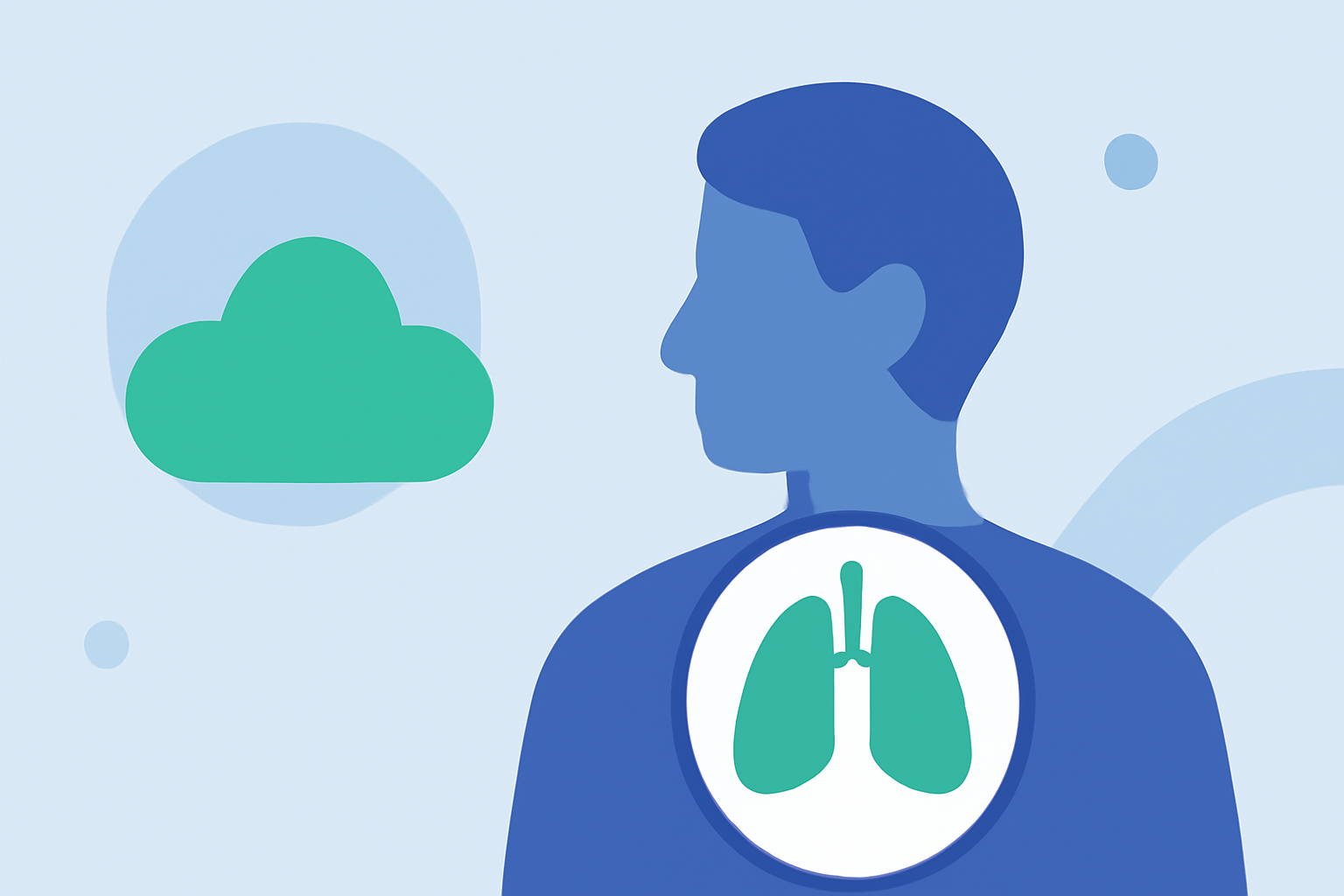
Understanding the impact of air quality on respiratory health is crucial for maintaining well-being. Air pollution, including ground-level ozone and particulate matter, can exacerbate respiratory conditions such as asthma and chronic obstructive pulmonary disease (COPD). Monitoring air quality through resources like the Air Quality Index (AQI) enables individuals to make informed decisions about outdoor activities and take necessary precautions.
What Is the Air Quality Index (AQI)?
The AQI is a tool used to communicate how polluted the air currently is or how polluted it is forecast to become. It provides information on major air pollutants regulated by the U.S. Environmental Protection Agency (EPA), including ozone and particulate matter. By checking the AQI, individuals can assess the safety of outdoor air and plan activities accordingly. (cdc.gov)
How Does Air Quality Affect Respiratory Health?
Exposure to poor air quality can lead to various health issues, particularly for individuals with existing respiratory conditions. Ground-level ozone, a key component of smog, is associated with decreased lung function, increased hospital visits, and even premature deaths. Particulate matter, which includes tiny particles like dust and soot, can penetrate deep into the lungs, causing irritation and exacerbating conditions such as asthma and COPD. (cdc.gov)
How Can I Monitor Air Quality?
Monitoring air quality is essential for making informed decisions about outdoor activities. The AQI is available through various channels, including local TV weather forecasts, online platforms, and mobile applications. By regularly checking the AQI, individuals can determine when air quality is unhealthy and take appropriate actions to protect their health. (cdc.gov)
What Steps Can I Take to Protect My Respiratory Health?
To safeguard respiratory health, consider the following measures:
-
Stay Informed: Regularly check the AQI to stay updated on air quality conditions.
-
Limit Outdoor Activities: On days when the AQI indicates unhealthy air quality, reduce outdoor activities, especially strenuous exercises.
-
Create a Clean Indoor Environment: Ensure good ventilation in indoor spaces to reduce the concentration of airborne pollutants. (cdc.gov)
-
Consult Healthcare Providers: Individuals with respiratory conditions should discuss management strategies with healthcare professionals, especially during periods of poor air quality. (cdc.gov)
How Does Climate Change Affect Air Quality?
Climate change is projected to harm human health by increasing ground-level ozone and particulate matter air pollution in some locations. This leads to many negative impacts on human health, including decreased lung function and increased hospital visits. (cdc.gov)
By understanding the relationship between air quality and respiratory health, individuals can take proactive steps to protect themselves and their communities. Utilizing resources like the AQI and implementing protective measures can significantly reduce the risks associated with air pollution.
Highlights:
- About Air Quality | Air Quality | CDC, Published on Sunday, May 03
- Air Pollutants | Air Quality | CDC, Published on Thursday, February 15
- Air Pollution | Climate and Health | CDC, Published on Friday, March 01