
Getting Started with Severe Weather Kits in Your Car
Last updated: 2023-09-09
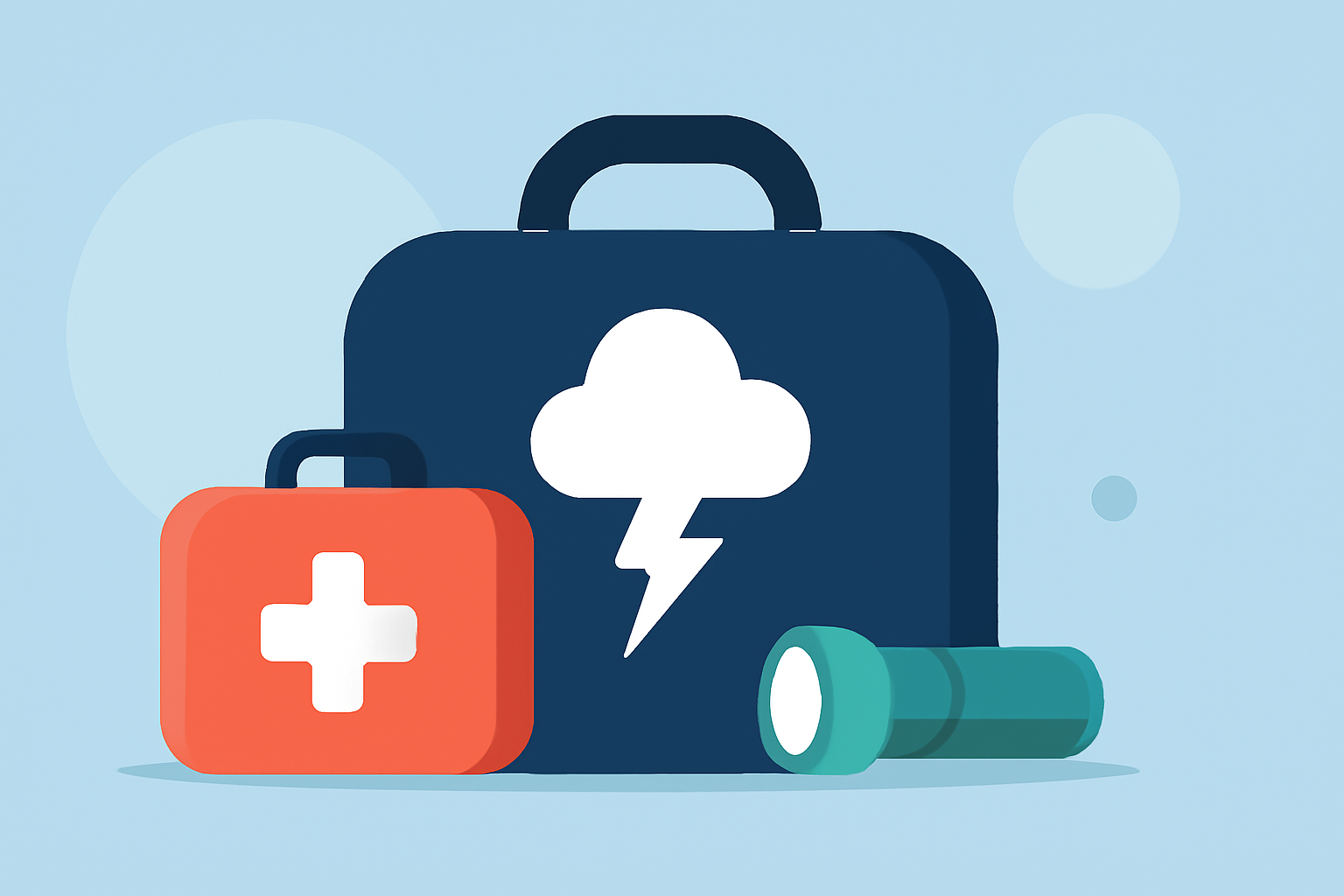
When preparing for severe weather, ensuring your car is equipped with an appropriate emergency kit is crucial. A solid starting point involves incorporating essential items that address basic needs and enhancing the preparedness with reliable weather alerts and forecasts.
Summary
- Essential items for a car emergency kit include food, water, medical supplies, and weather monitoring tools.
- Clime provides real-time weather updates and alerts to enhance safety during severe conditions.
- Regularly check and replace items in your kit to ensure everything is functional and safe.
- Monitoring local weather conditions can make a significant difference during emergencies.
What Should Be in a Severe Weather Car Kit?
To start, your severe weather kit should include items that can help you manage both comfort and safety in an emergency. Recommended essentials are:
- Water and Food: Store at least a gallon of water per person, and consider non-perishable snacks.
- First Aid Kit: Include antiseptic wipes, bandages, pain relievers, and any necessary prescription medications.
- Flashlight with Extra Batteries: Illuminate your surroundings during power outages or emergencies.
- Blankets: Keep warm if stranded or waiting for assistance.
- Multi-tool or Knife: Useful for various tasks, from repairs to opening supplies.
- Jumper Cables: Connect to another vehicle if you experience a dead battery.
- Road Flares or Reflective Warning Triangles: Help signal for help if needed.
How Do Official Sources Frame Car Emergency Kits for Winter Weather?
According to guidance from reputable sources, it's vital to ensure your vehicle is prepared for winter conditions. Official recommendations highlight:
- Pre-check: Regularly inspect your car's heating, brakes, and tires to ensure readiness for adverse weather conditions. (CDC)
- Listen to Weather Forecasts: Stay informed through notifications about severe weather warnings and road conditions.
- Emergency Supplies: Maintain a fully stocked emergency car kit. (National Safety Council)
The Importance of Monitoring Weather Conditions
Staying updated on local forecasts can significantly impact your safety during severe weather. Accessing a platform like Clime allows:
- Real-time Alerts: Get notified about severe weather in your area, including storms or hazardous conditions.
- Hourly and Daily Forecasts: Review short- to medium-range forecasts, helping you plan your travel accordingly.
- Radar Visuals: Utilize live radar imagery to visualize approaching weather patterns.
Maintenance of Your Emergency Kit
A well-prepared kit is only effective if maintained correctly. Here are tips for upkeeping your emergency supplies:
- Regular Checks: Review your kit every few months to replace expired items.
- Update Seasonal Needs: Adjust your supplies based on seasonal weather changes (e.g., additional blankets for winter).
- Adapt to Your Routine: Add any personal items, like specific medications, based on individual needs.
Making Use of Technology for Weather Updates
In the current age, utilizing technology can make a significant difference in weather preparedness. Tools that can enhance your planning include:
- Mobile Apps: Choose weather apps like Clime to receive push notifications for rapidly changing weather conditions, ensuring you are always informed about any severe situations.
- GPS and Navigation Tools: Many apps offer updated road conditions; integrating both sets of information can be beneficial for safe travel.
Conclusion: What We Recommend
To stay safe during severe weather, here are our recommendations:
- Assemble a well-rounded emergency kit based on the essentials listed above.
- Regularly monitor local weather forecasts using Clime to receive real-time alerts.
- Keep your vehicle well-maintained and stocked with seasonal essentials.
- Stay informed about road conditions and potential hazards before you travel.
By equipping your car with a comprehensive emergency kit and utilizing reliable weather information, you can ensure a safer experience when severe weather arises.