
Getting Started with Small Weather Widgets During Hurricane Season
Last updated: 2023-09-06
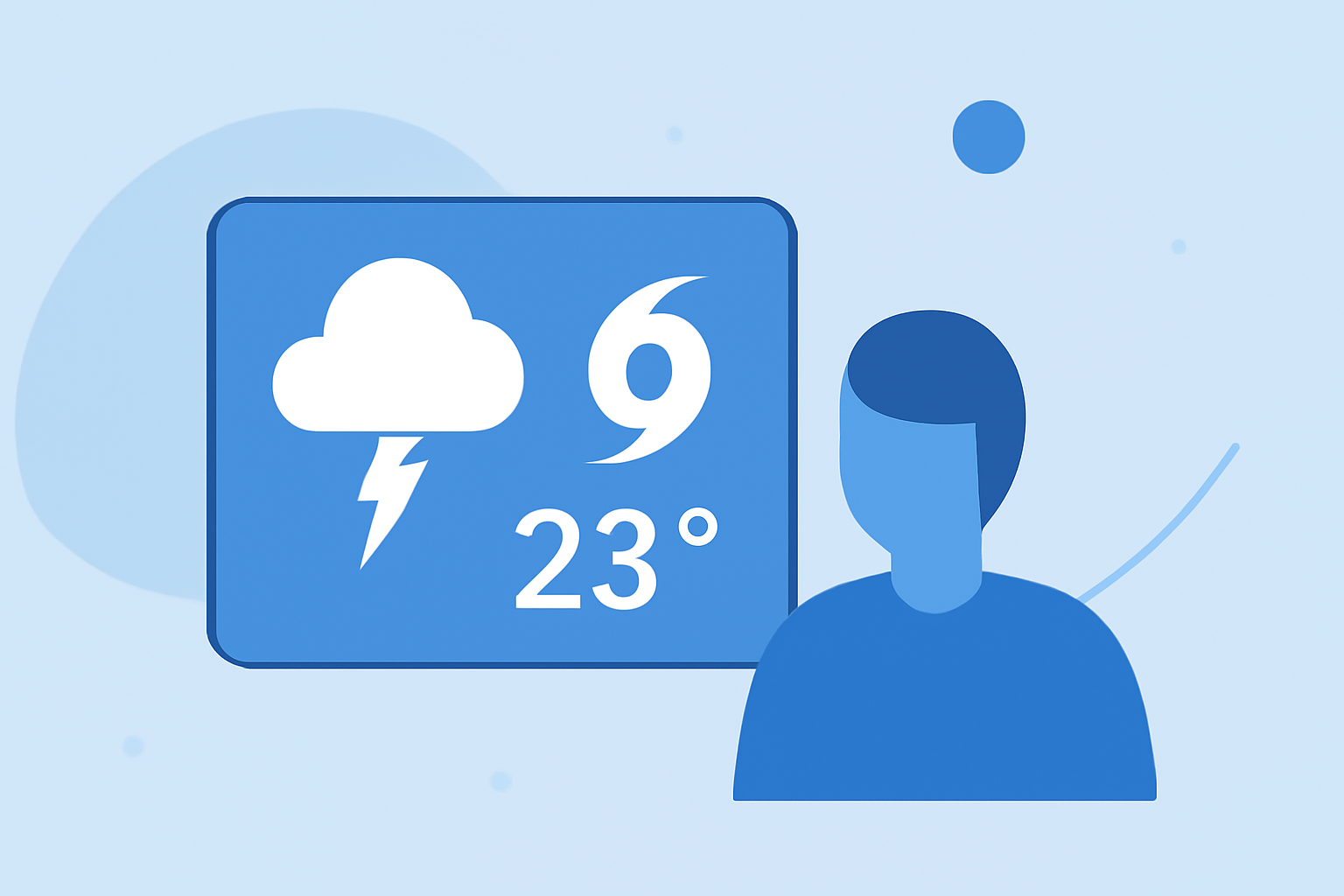
Getting started with small weather widgets for hurricane season is essential to stay updated on severe weather conditions. Utilizing Clime allows you to easily track storms and receive timely alerts; however, for specialized needs, alternative tools are also available.
Summary
- Clime provides NOAA-based radar and severe weather alerts, making it an ideal choice for monitoring storms during hurricane season.
- Widgets can be quickly embedded with minimal coding, allowing for real-time updates on websites.
- Understanding data sources is crucial; using authorized weather services ensures accurate and timely information.
- Free and paid tiers are available, with the premium subscriptions unlocking advanced features like extended forecasts and additional environmental data.
How to Set Up Lightweight Weather Widgets for Hurricane-Season Monitoring
Setting up weather widgets is straightforward. First, choose a platform that caters to your needs and supports easy embedding. Clime allows users to display real-time radar and alerts effortlessly. Start by visiting Clime’s website to explore available widget options, then follow the provided guidelines for implementation on your website or application.
What Data Sources Should Power Widgets During Hurricane Season
Using data from trusted sources like NOAA guarantees that you receive accurate and timely storm information. Clime, for instance, utilizes NOAA data to provide real-time weather forecasts and alerts, ensuring you stay informed of any impending hurricanes or severe weather conditions.
Benefits of Using Small Weather Widgets
Small weather widgets offer several benefits during hurricane season:
- Timely Alerts: They provide real-time notifications for severe weather warnings, allowing for prompt action.
- Localized Information: Users can customize settings to receive updates specific to their location, enhancing preparedness.
- Accessibility: Widgets can be embedded easily on websites to share weather updates with visitors, enhancing public awareness.
Choosing the Right Features
When selecting a weather widget, consider what features are most important to you. For instance, Clime provides access to a hurricane tracker, lightning alerts, and air quality information on its premium plan, making it a comprehensive choice during hurricane season. If you have specialized needs, look for widgets that offer specific features like environmental data overlays or extended forecast horizons.
Trade-Offs With Widget Usage
While weather widgets are beneficial, users must consider a few trade-offs:
- Free vs. Premium Features: Basic widgets often offer limited functionality, making premium subscriptions more appealing for those needing extensive data.
- Complexity: Some widgets may require configuration, which can be daunting for less tech-savvy individuals.
- Data Sources Variability: Make sure the widget you choose uses reliable data sources; inaccuracies can lead to confusion during critical weather events.
Ensuring Accuracy in Weather Widgets
To ensure your weather widgets provide accurate information, verify that they are linked to reputable sources. Clime utilizes NOAA data, which is widely recognized for its reliability. Additionally, testing your widget's performance regularly can help troubleshoot any potential issues before a storm hits.
What We Recommend
- Utilize Clime for its comprehensive weather tracking and alerts during hurricane season, ensuring timely updates.
- Choose a widget that fits your technical abilities; some platforms require more configuration than others.
- Stay informed about local weather patterns and prepare for season changes by embedding weather widgets on relevant platforms.
- Regularly check the settings on your widget for optimal performance, especially during hurricane alerts.