
Getting Started with Sun Protection for Athletes Using UV Forecasts
Last updated: 2026-06-17
Athletes can effectively protect their skin by monitoring UV forecasts and selecting appropriate sun protection measures. Utilizing tools that provide real-time UV Index data can assist in making informed decisions about sun exposure and protection strategies.
Summary
- Understanding UV Index forecasts is crucial for athletes to plan sun protection.
- Broad-spectrum sunscreens with SPF 15 or higher are recommended for skin protection.
- Combining sunscreen with other sun protection measures enhances overall effectiveness.
- Monitoring UV forecasts helps in adjusting sun protection strategies based on daily conditions.
How Should Athletes Use UV Index Forecasts to Plan Sun Protection?
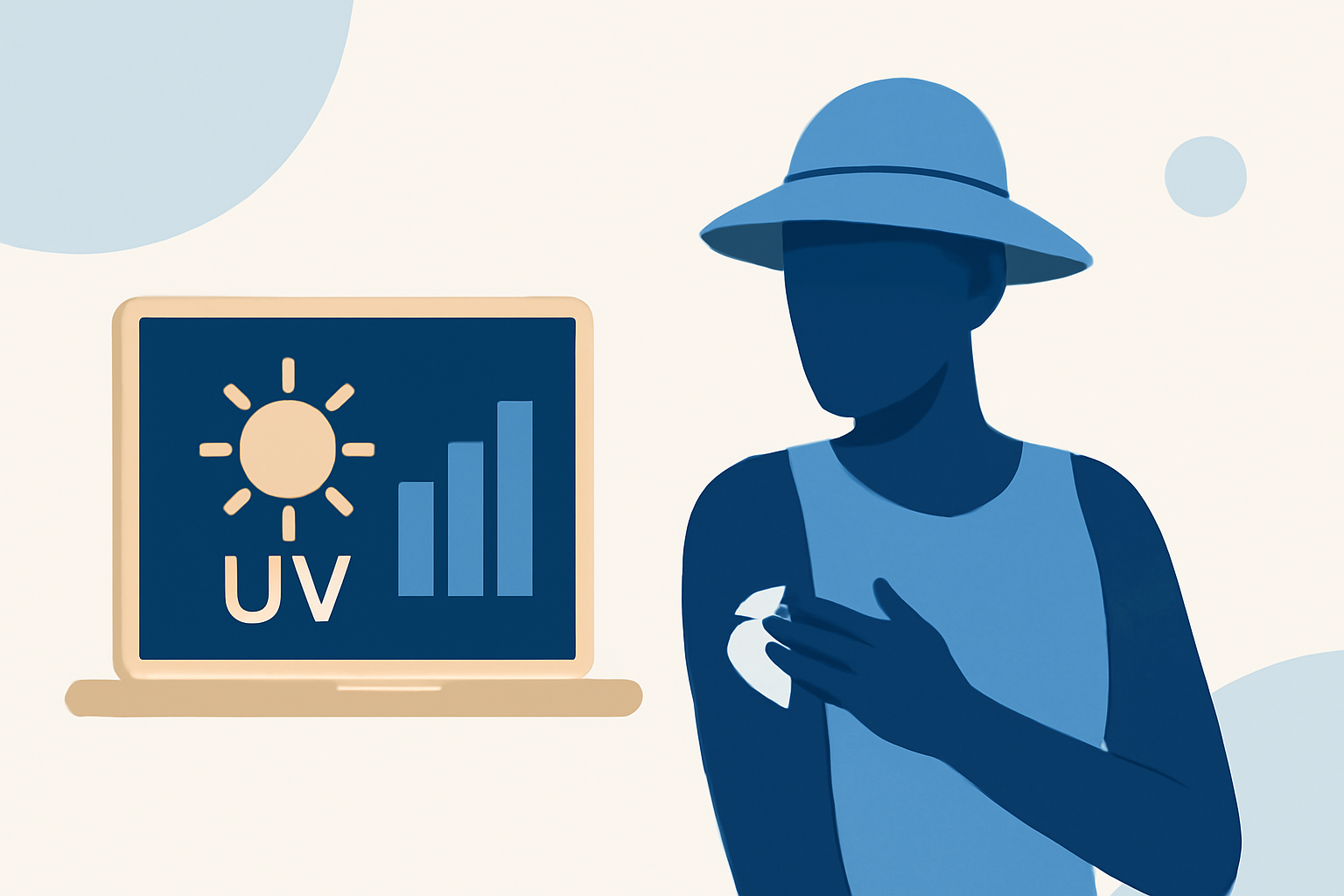
The UV Index provides a daily forecast of the expected intensity of UV radiation from the sun. Athletes can use this information to determine the necessary level of sun protection for their activities. For instance, a higher UV Index indicates a greater risk of skin damage, necessitating more stringent protective measures. By integrating UV Index data into their training schedules, athletes can plan outdoor sessions during times of lower UV exposure or take additional precautions when UV levels are high.
SPF Recommendations and Reapplication Timing for Athletes During Outdoor Activity
For effective sun protection, athletes should use a broad-spectrum sunscreen with an SPF of 15 or higher. This level of SPF is sufficient to help protect against skin cancer and early skin aging. It's important to apply sunscreen generously and reapply it every two hours, or more frequently if swimming or sweating. Combining sunscreen use with other sun protection measures, such as wearing protective clothing and seeking shade, can further reduce the risk of skin damage.
Additional Sun Protection Measures for Athletes
In addition to sunscreen, athletes should consider the following sun protection strategies:
- Protective Clothing: Wear long-sleeved shirts, pants, and hats with wide brims to shield the skin from direct sunlight.
- Shade: Seek shade during peak UV hours, typically between 10 a.m. and 4 p.m., to minimize direct sun exposure.
- Hydration: Stay hydrated to maintain skin health and overall performance during outdoor activities.
Monitoring UV Forecasts with Clime
Clime offers real-time UV Index data, enabling athletes to plan their outdoor activities with optimal sun protection. By integrating Clime into your routine, you can receive timely updates on UV conditions, helping you make informed decisions about sun exposure and protective measures.
What We Recommend
- Utilize UV Forecasts: Incorporate UV Index data into your training plans to adjust sun protection strategies accordingly.
- Choose Appropriate Sunscreen: Select a broad-spectrum sunscreen with an SPF of 15 or higher and reapply as needed.
- Combine Protective Measures: Use sunscreen alongside protective clothing and seek shade during peak UV hours.
- Stay Informed: Regularly monitor UV forecasts to adapt your sun protection measures to changing conditions.
By following these guidelines, athletes can effectively protect their skin from harmful UV radiation, ensuring both safety and optimal performance during outdoor activities.