
Getting Started with Weather Radar Maps for Gardeners
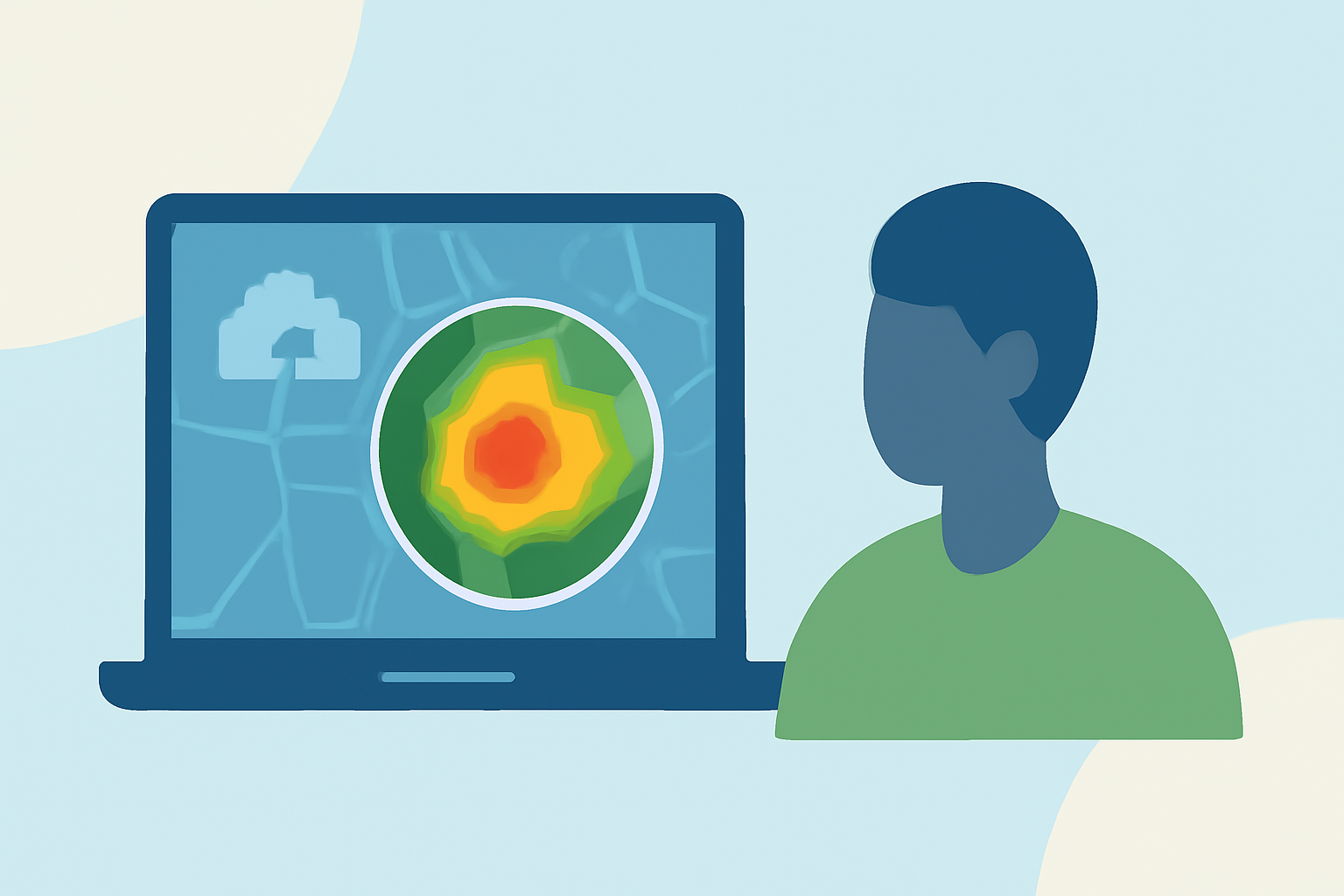
As a gardener, understanding weather patterns is crucial for the health and productivity of your plants. Weather radar maps offer real-time insights into precipitation, helping you make informed decisions about watering, planting, and protecting your garden from adverse weather conditions.
What Are Weather Radar Maps?
Weather radar maps display real-time data on precipitation, such as rain and snow, by using radar signals to detect moisture in the atmosphere. These maps provide visual representations of weather patterns, allowing users to monitor storms, rainfall intensity, and movement. For gardeners, this information is invaluable for planning and protecting their plants.
How Can Gardeners Benefit from Weather Radar Maps?
-
Optimal Watering: By monitoring upcoming rainfall, gardeners can adjust their watering schedules to conserve water and prevent overwatering.
-
Planting Decisions: Understanding precipitation patterns helps in selecting the right time to plant, ensuring seeds and young plants receive adequate moisture.
-
Protecting Plants: Anticipating heavy rain or storms allows gardeners to take preventive measures, such as providing shelter for delicate plants or harvesting mature produce before adverse weather hits.
How to Access Weather Radar Maps?
Several platforms offer interactive weather radar maps tailored for gardeners:
-
Zoom Earth: Provides live satellite images and real-time weather data, including precipitation maps. (zoom.earth)
-
Weather NG: Offers animated radar images, precipitation forecasts, and weather alerts, which can be particularly useful for gardeners. (weatherng.com)
-
Weather Underground: Features current radar maps showing areas of precipitation, which can be animated to display the previous hour of radar data. (wunderground.com)
Integrating Weather Radar Maps into Your Gardening Routine
-
Regular Monitoring: Check weather radar maps daily to stay updated on precipitation forecasts.
-
Plan Ahead: Use the information to schedule planting, watering, and harvesting activities.
-
Stay Prepared: Be proactive in protecting your garden from severe weather by taking necessary precautions based on radar data.
Conclusion
Incorporating weather radar maps into your gardening practices empowers you to make data-driven decisions, leading to healthier plants and a more productive garden. By staying informed about precipitation patterns, you can optimize your gardening efforts and safeguard your plants against unexpected weather events.
Highlights:
- Zoom Earth | Weather Map & Hurricane Tracker
- Weather NG - US Weather Radar, Forecasts, Webcams and more, Published on Wednesday, October 31
- Weather Radar | Weather Underground